Spider control in West Lake Hills, TX.
West Lake Hills is built on limestone, and black widows settle into the dry-stack walls, garages and wood piles that come with it. We clear webs and egg sacs by hand, treat the rock seams, meter boxes and shaded eaves, and cut back the moths and crickets feeding them, all on a plan from $66 a month with free re-treatments whenever they rebuild between visits.
Written by the Bastion Pest Control service team · Licensed & insured in Texas · Last updated
West Lake Hills spider control in brief
Limestone under every lot, rock walls in most yards and old oak and cedar shade over the roofs: West Lake Hills gives spiders plenty of room. Here is the quick version first.
- Peak season
- August through October
- Roaming males turn up first in garages and along rock walls.
- Biggest risk
- Black widows
- Dry-stack rock walls, garages and wood piles on hillside lots.
- Included in
- $66/mo plan*
- No upcharge, and the webs come down at every visit.
- Every visit
- Hand de-webbing
- Each sac pulled by hand, because spray cannot get through the silk.
- Root cause
- Their food
- Cut back the moths and crickets and the spiders follow them out.
- After rain
- Wolf spiders
- Flooded crevices push them indoors, onto the garage floor.
Spider control is included in the general pest plan.
A widow tucked into a West Lake Hills rock wall is routine work for us, not a specialty job. Hand de-webbing, egg sac removal and spider treatment are all part of the recurring general pest plan at no extra charge, together with ants, roaches, scorpions and wasps. If the webs return between visits, so do we, free. Pricing for a single-family home begins at $66 a month, set by a free on-site quote with no inspection fee.
See full pricing details →Starting rate for a single-family home in West Lake Hills. De-webbing, spider treatment and free re-treatments are all included.
| General pest planRecurring | One-time treatmentSingle visit | |
|---|---|---|
| What it is for | Keeping spiders and their food supply down year-round | Clearing webs and treating one active problem |
| Right for you if | You want the webs to stop coming back | You are hosting, selling, or want to try us once |
| What you get | Full TriBarrier every visit, eaves and corners included | One full TriBarrier treatment |
| If they come back | We re-treat free, with no limit and no trip fee | A return visit is a new charge |
| Other pests covered | Ants, cockroaches, scorpions, wasps and rodents | Spiders only |
| Price | From $66 a month* | Quoted per job* |
* Starting price. Your exact number depends on home size, lot size and current pest pressure.
How we handle spiders in West Lake Hills.
Most of this job is done by hand. Pulling down webs and egg sacs does more than any product can, and shrinking the insect supply is what stops the return trip.
 1
1
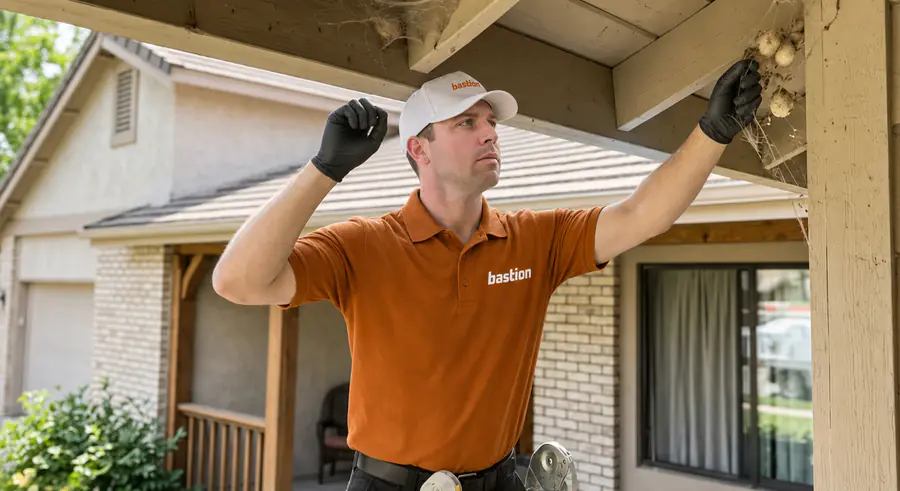
De-web by hand
We physically remove webs and egg sacs from eaves, soffits, porches, corners and patio structures, ending the next generation before it hatches.
 2
2
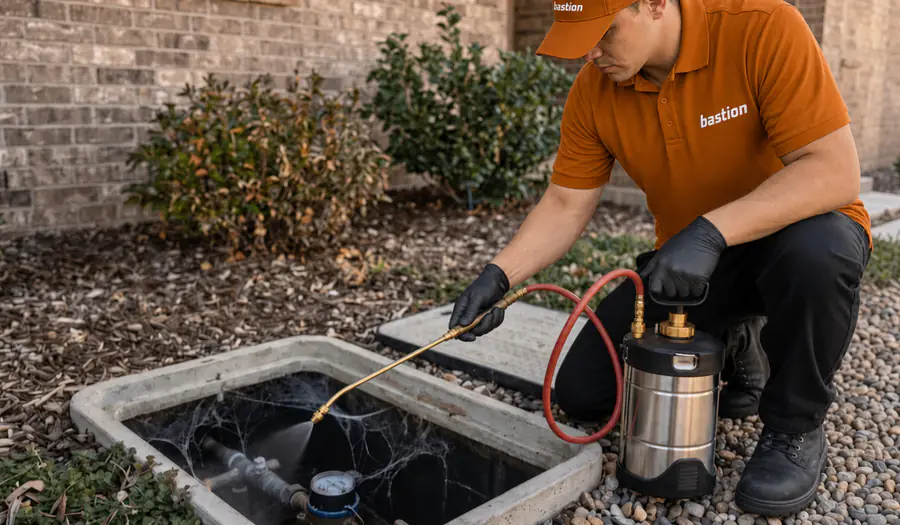
Treat the harborage
Direct treatment into rock and retaining walls, meter and valve boxes, garage door tracks, under decks and behind stored items, the voids where widows actually live.
 3
3
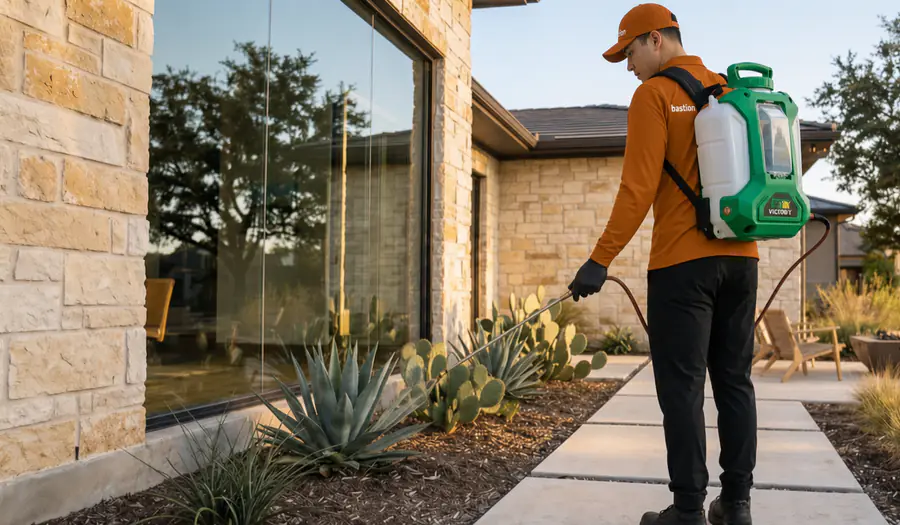
Remove the food supply
The full TriBarrier treatment suppresses the insects spiders hunt. Fewer moths, crickets and ants at the foundation, fewer spiders in residence.
Seeing any of these around your West Lake Hills home?
Free quote, same-day service most days, and free re-treatments if they come back between visits.

Why West Lake Hills homes draw so many spiders.
Spiders follow food. A house with a lot of spiders is really a house with a lot of the insects spiders eat, and West Lake Hills keeps that supply steady: moths circling porch and landscape lights, crickets in the rock beds, mosquitoes from watered beds and the creek-side shade near Barton Creek and Lake Austin, and everything else that lives under old live oak and cedar. Spray only the spiders and they come back. Shrink what they eat and they move on.
Then there is the stone. The whole city sits on limestone, and almost every lot has rock retaining walls, stone veneer, natural ledges or native landscaping. Dry-stack walls are the black widow favorite, since every gap between the stones is a dark, dry pocket close to the ground that nobody disturbs. Garages and wood piles round out the list, along with meter boxes, the corners of garage door tracks and the underside of patio furniture. Most of those spots only come to light when someone reaches into one without gloves.
Wolf spiders cause the most alarm, and they usually show up after a hard rain. They are big, quick ground hunters that spin no web at all. When a storm soaks the ground and fills the rock crevices they hunt from, they head for the nearest dry spot, which is often the garage, the slab or the kitchen tile. One sprint across the floor looks like an infestation, but most of the time the house is just the driest place around.
Under deep shade, the webs pile up. Orb weavers and funnel weavers string them between limbs, eaves and porch columns overnight, and the live oaks and cedar that reach over West Lake Hills roofs give them anchor points right against the house. They are not medically significant and they do eat pests, but walking face first into one on the way to the car gets old fast. Clearing webs by hand at every visit and treating the eaves and soffits they tie into is what breaks the rebuild cycle.
Dry-stack rock walls
Mortarless limestone walls leave dark, dry gaps that black widows settle into and rarely leave.
Garages and wood piles
Stacked firewood and cluttered garage corners give widows the low, quiet cover they look for.
Deep oak and cedar shade
Overhanging limbs hand web builders anchor points right against the eaves and porch.
A steady insect supply
Porch lights, watered beds and creek-side shade keep moths, crickets and mosquitoes coming.
Spider season in West Lake Hills, month by month.
Winter here is mild enough that spiders stay around all year. What changes is where you find them. Each fall they shift from the yard into the garage, and the timing barely moves from one year to the next.
Males mature, head off in search of a mate, and stroll into the garage.
Still about, just slow, and generally somewhere you will not spot them.
Building the barrier in spring is much easier than trying to catch up at the peak.
Spider jobs, photographed as we found them.
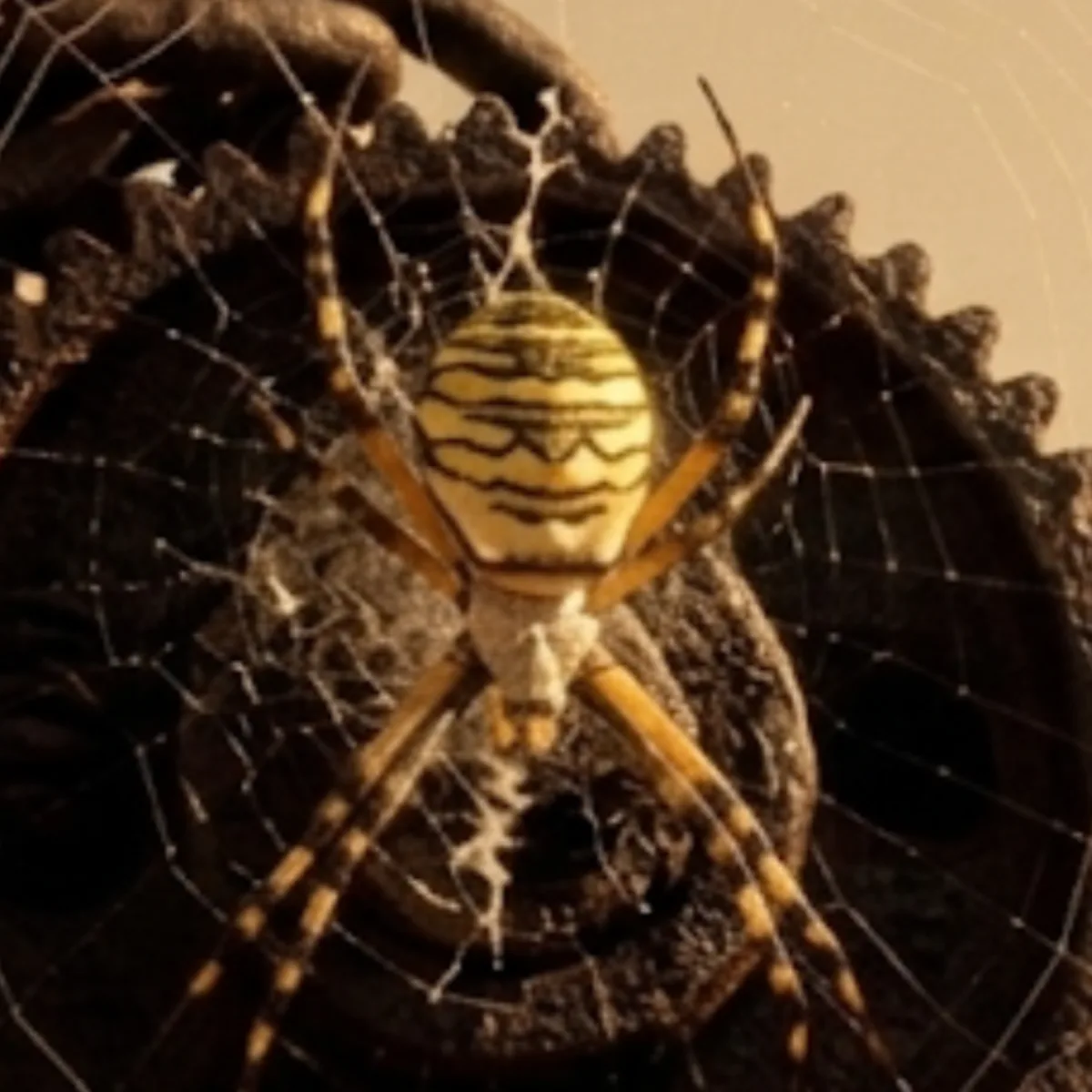
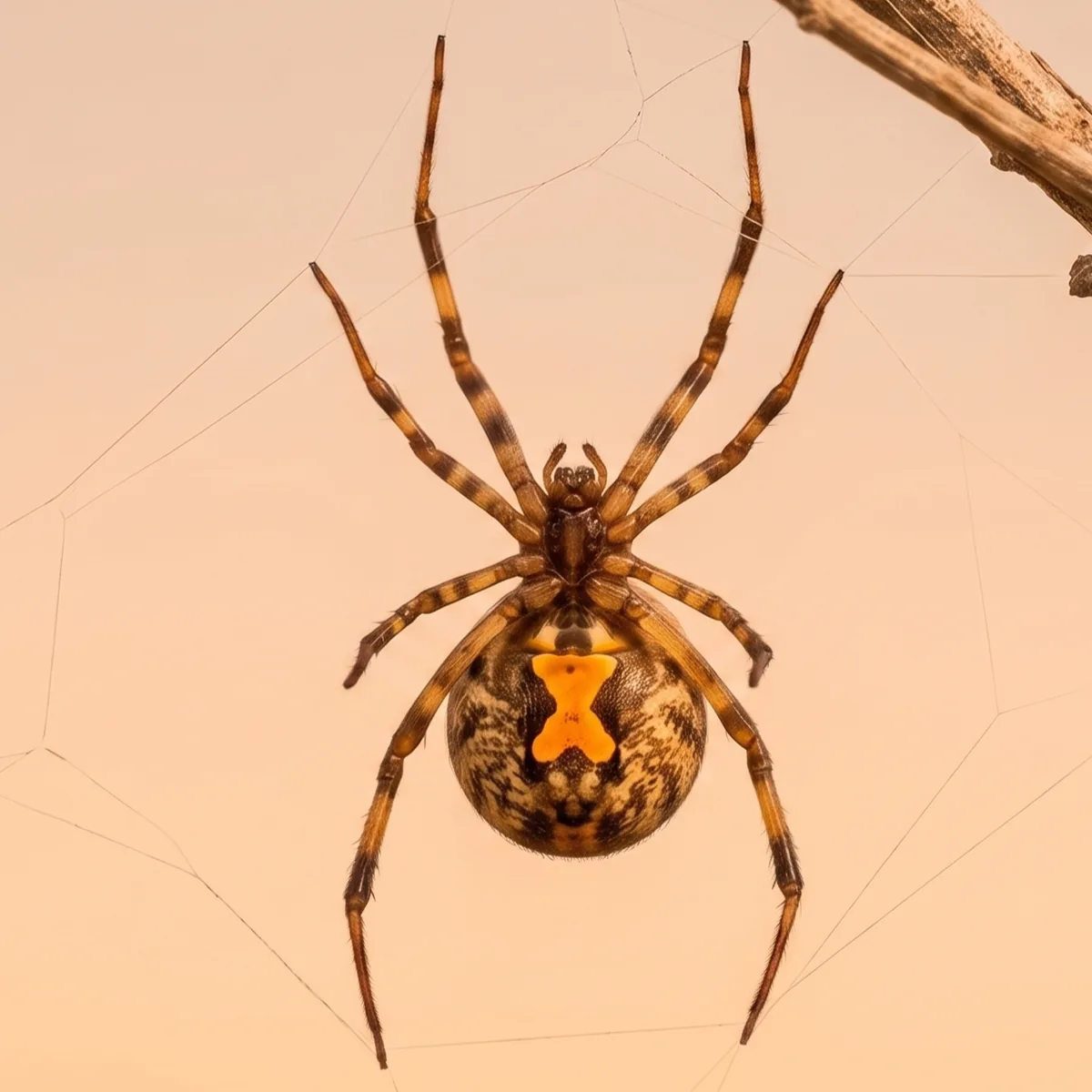
Every photo here comes from one of our own service visits across the metro. Trying to put a name to whatever moved into the garage corner? Compare it with these.
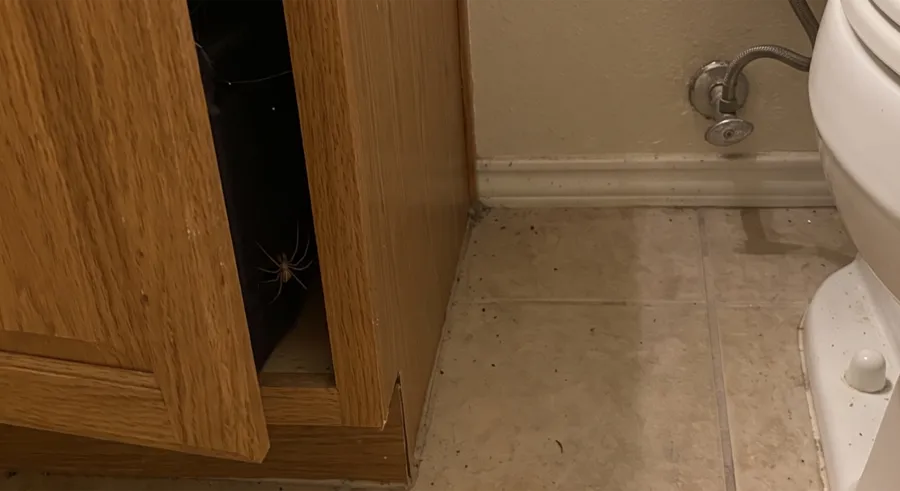
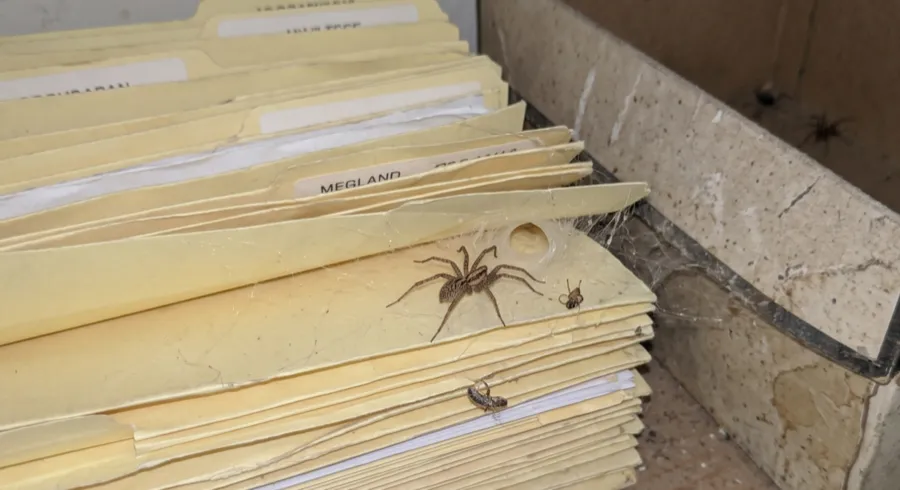
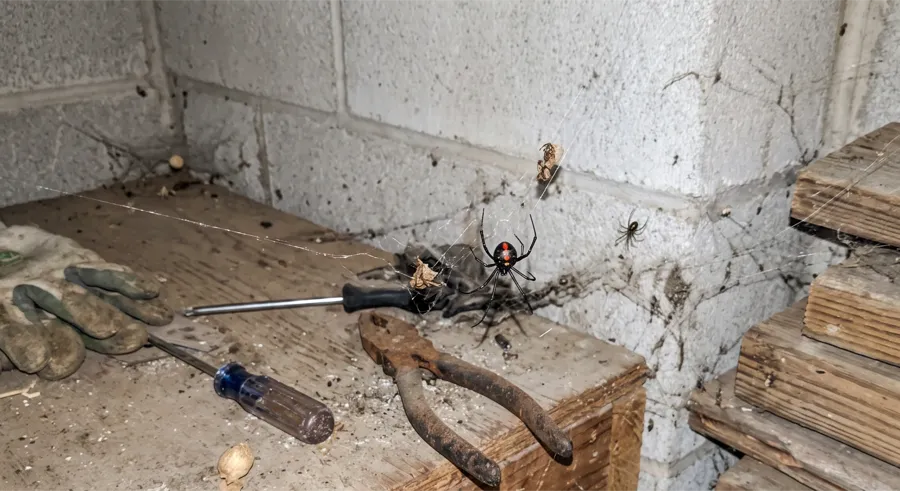
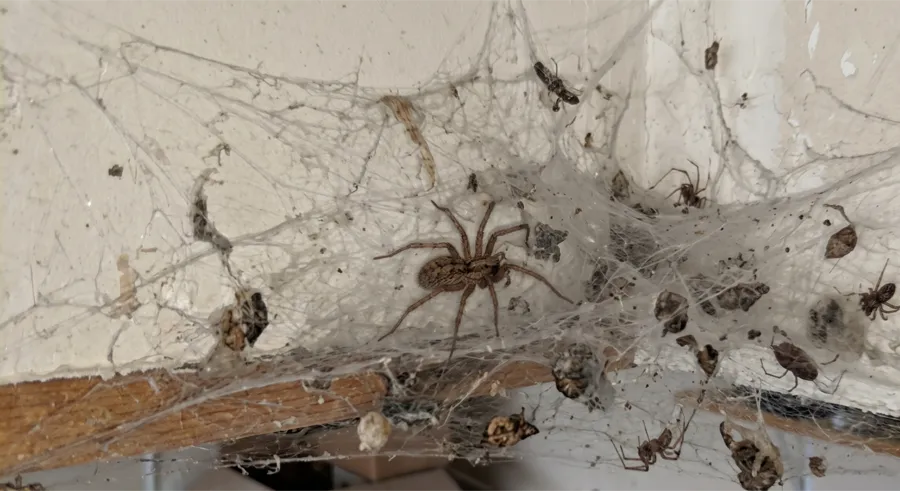
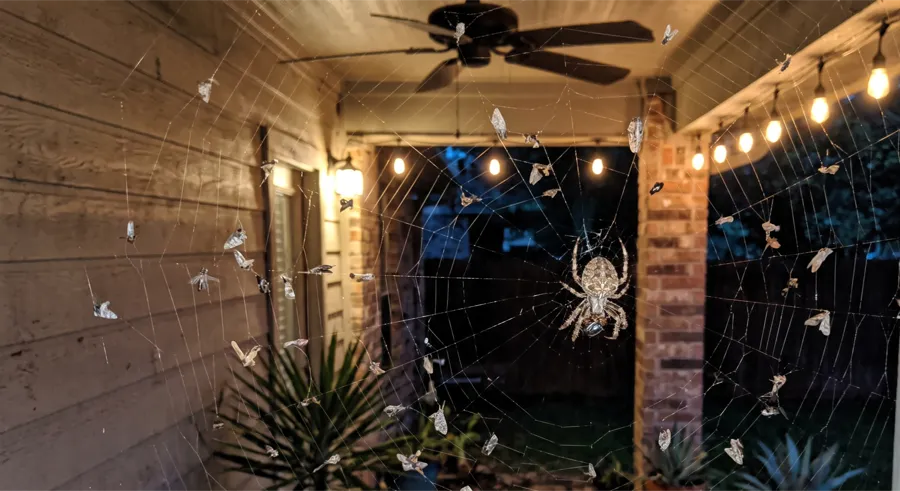
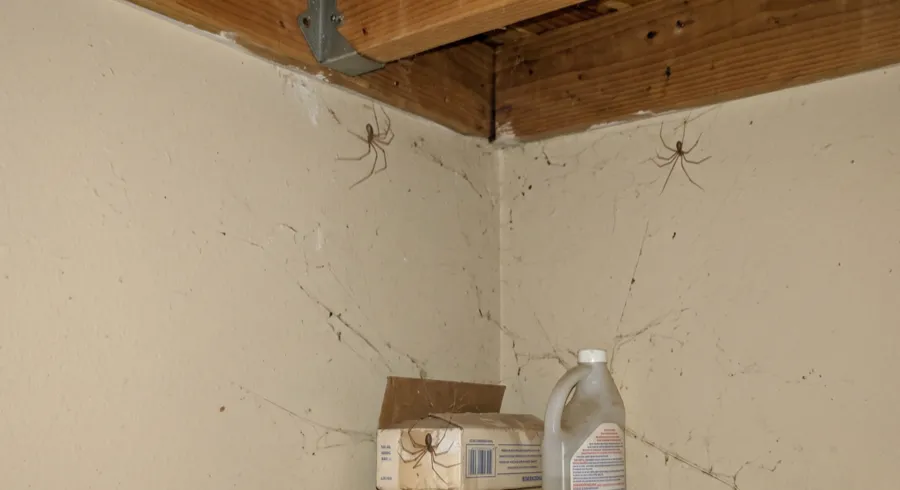
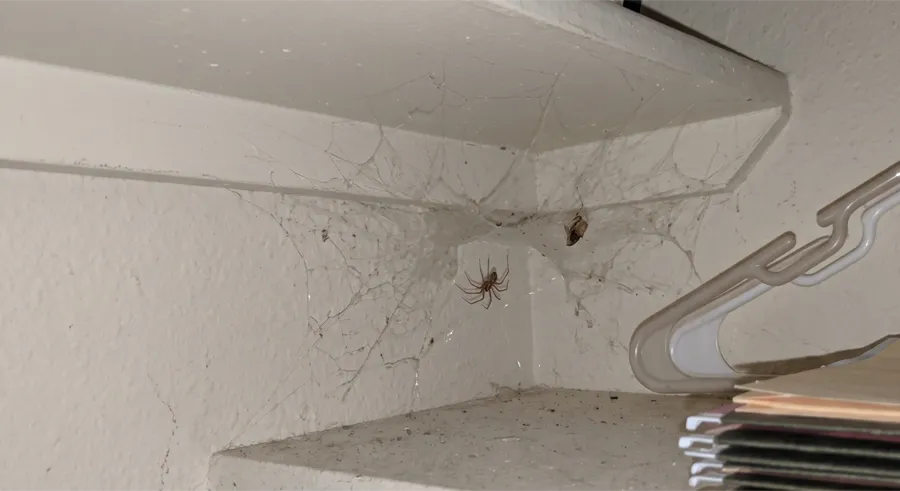
All shot by our service team on real jobs. These species are common across Central Texas. If you cannot place what you have found, text a photo to 843-480-8699 and we will tell you.
Spiders we see in West Lake Hills.
West Lake Hills sits on limestone, and its spider list follows the rock. Widows hold the dry-stack walls, garages and wood piles. Orb weavers work the porches and eaves under deep oak and cedar shade, where moths and mosquitoes keep them fed. Wolf spiders reach the slab when rain fills the crevices they hunt in. Your technician names the species on site before treating, since a widow in a rock wall and an orb weaver on a porch need different tools.
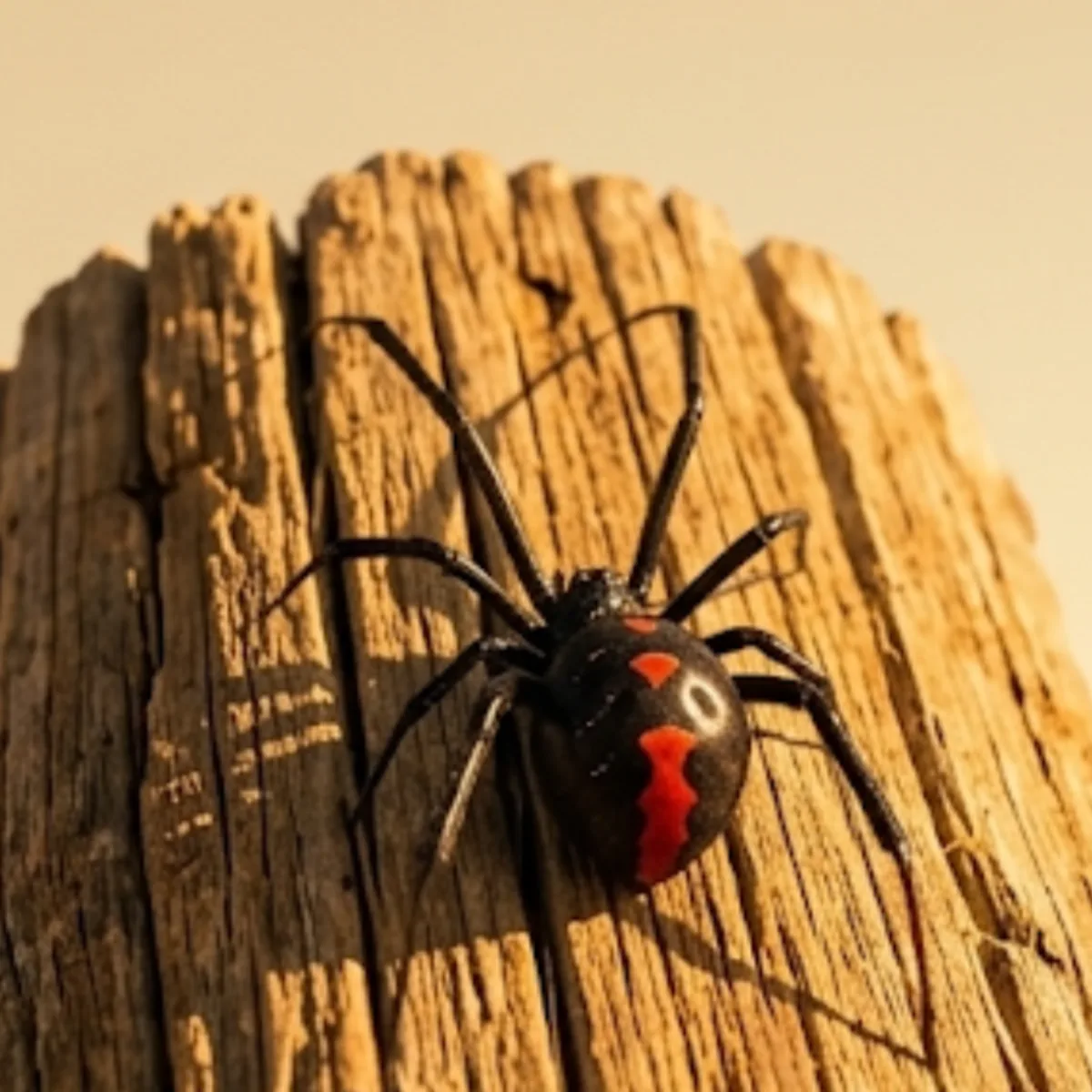
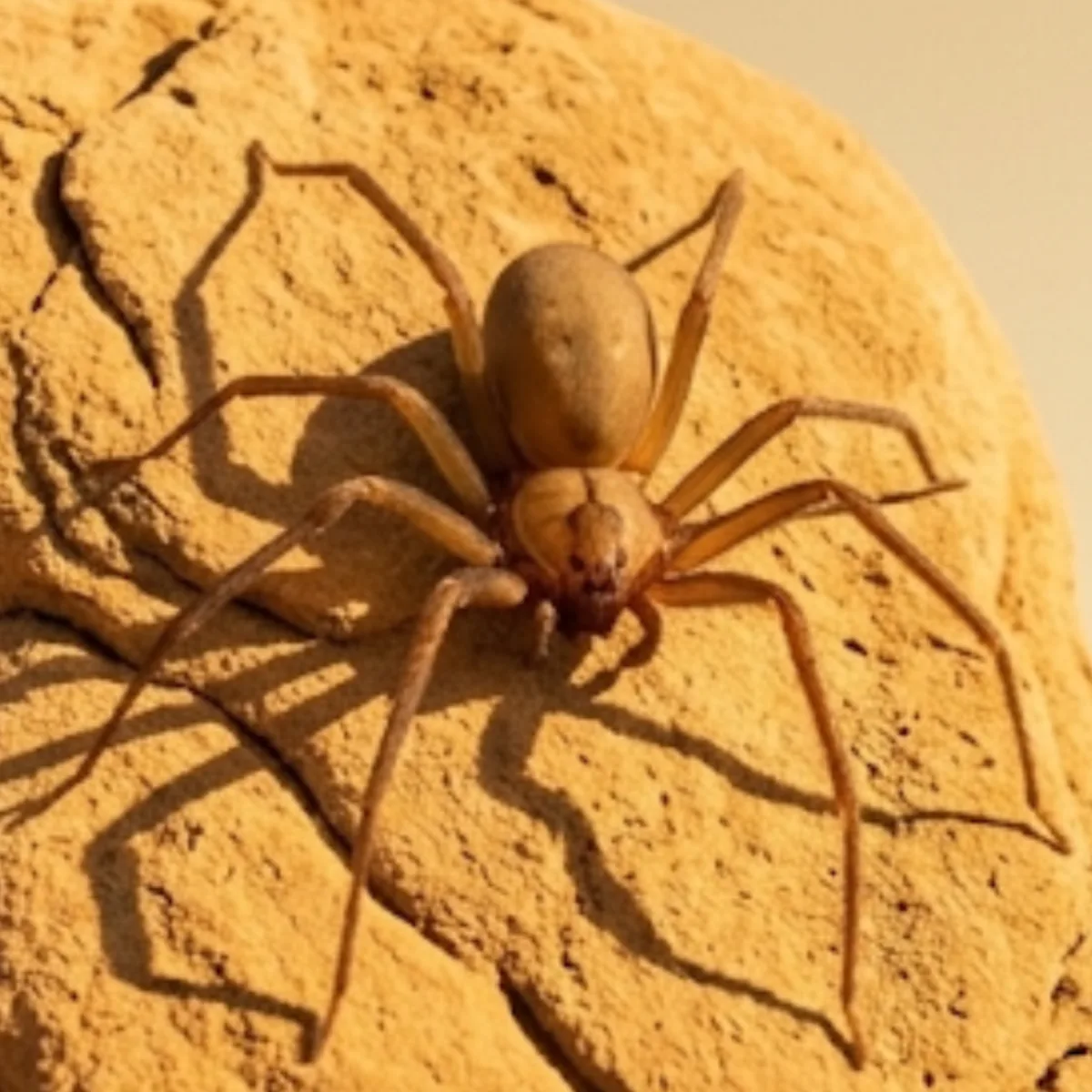



A note on bites and stings. Reactions vary from person to person, and any bite or sting can cause a serious reaction in someone sensitive to it. Nothing here is medical advice. If you are bitten or stung and feel unwell, or the reaction spreads or does not settle, contact a doctor or Poison Control. If breathing or swallowing is affected, treat it as an emergency and call 911.
What we look for on the first visit.
Where a web hangs tells us who made it and what it is feeding on. Around West Lake Hills that usually points to a gap in a dry-stack wall, the back of a wood pile, a garage corner or an eave under heavy shade. Call and describe what you see. Most of the time we can tell by phone whether it needs a same-day visit, and on most days we can send a technician.
- Messy webbing in garage corners and along the eaves
- Webbing inside water meter or irrigation valve boxes
- Round white egg sacs tucked into sheltered corners
- Large, fast spiders on the floor after a storm
- New orb webs strung across the porch every morning
- Silk under grills, patio furniture or stacked pots
- Widow silk in dry-stack wall gaps or at the base of a wood pile
- Fresh webs on eaves under overhanging oak and cedar limbs
West Lake Hills neighborhoods on our spider route.
Stone and shade decide where spiders gather around West Lake Hills. Westlake Highlands and Rob Roy pair rock walls and native rock with mature oaks and cedar, so widows have places to hide and web builders have places to hang. Lost Creek's wooded lots along Barton Creek sit in deep shade over limestone banks. Davenport Ranch runs along greenbelt edges, the watered lawns of Barton Creek feed the insects spiders hunt, and Rollingwood's big trees put webs on the eaves. All six are on our 78746 route.
Not on the list? We very likely cover it. See pest control in West Lake Hills or our full service area.
Spider questions from West Lake Hills, answered.
What does spider control cost in West Lake Hills, TX?
It comes with our general pest plan, which starts at $66 a month for a single-family home in West Lake Hills. Spiders and de-webbing are covered alongside ants, roaches, scorpions, wasps and rodents, and black widows carry no extra charge. Home and lot size set your exact price, which we confirm with a free on-site quote.
How dangerous are black widows, and where do they hide?
Their bite is medically significant, so they deserve respect, but they shy away from people and back off when given the chance. Look for them in rock wall gaps, water meter and irrigation valve boxes, garage door track corners, under grills and patio furniture, inside stacked pots and at the base of wood piles. We treat those voids every visit, and gloves are a good idea any time you reach into one.
Why do big spiders come inside after it rains?
Nearly always, those are wolf spiders escaping the water. A heavy rain fills the rock crevices they hunt from, so they climb to the driest ground they can find, and that is often your slab or garage. One showing up is not an infestation and has nothing to do with how clean your home is. A treated perimeter is what turns them back at the foundation.
Do you take the webs down, or only spray?
By hand, every visit. Eaves, soffits, porches, columns, corners and door frames all get cleared, egg sacs included. The sacs matter most, because one left behind means the next generation hatches right where the last one lived.
Is the spider treatment kid and pet friendly?
Yes. Our treatments are pet and kid friendly, and they go into the voids where spiders shelter, like rock walls, meter boxes, under decks and garage corners, not across open floors or play spaces. Keep kids and pets off treated outdoor surfaces until they dry, about 30 minutes, and before we leave we will walk you through every spot we treated. If any area needs longer, your technician will say so.
Between visits, how do I keep spiders out?
Start with the lights. Swap white porch and landscape bulbs for warm or yellow LEDs so fewer moths gather, since moths are what bring spiders to the door. Next, keep firewood off the ground and stacked away from the house, and pull rock mulch back a few inches from the foundation. Last, wear gloves when you reach into meter boxes, rock wall gaps or under outdoor furniture, because that is where widows wait.
Are there black widows in the dry-stack walls around West Lake Hills homes?
Often, yes. West Lake Hills is built on limestone, and the rock walls on its hillside lots, dry-stack ones most of all, are long runs of dark, dry gaps nobody touches. That is exactly what a widow looks for. We treat the seams and the base of the wall where it meets the bed, clear the webbing and egg sacs we can reach, and check the garage and any wood piles nearby. The wall can stay as it is. Just use gloves if you reach in between visits.
Should I expect more webs under the deep oak and cedar shade in West Lake Hills?
Usually, yes. Old live oaks and cedar shade most of the city, and their limbs often reach over the roof. That hands orb weavers and other web builders anchor points right against the eaves, plus a still, shaded spot where insects collect. Trimming limbs back from the roofline helps, and warm or yellow porch bulbs cut down the moths drawing them in. We clear and treat the eaves, soffits and columns every visit so webs stop going back up in the same places.





Spider control around West Lake Hills
Every city we serve gets spider treatment, with the same crew and the same guarantee, even if the stonework changes from town to town. Pick your city below, read our full spider control overview, or see the whole service area.
Answered 24 hours · West Lake Hills, TX
Clear webs. No widows. Every visit.
Get a free quote, same-day service most days in West Lake Hills, and free re-treatments if spiders return between visits.