Austin, TX and 25 more cities
Tick control
Keep the family and the dog out of range of Rocky Mountain spotted fever and alpha-gal syndrome.
Quick answers
Tick control in Central Texas: the quick facts
Ticks peak March to May in Central Texas, with a second wave of larvae and nymphs in July and August. The lone star tick is the one to watch here, because a bite can trigger alpha-gal syndrome. Tick control is part of the $166 a month package, and it targets the yard edges where they wait.
- Peak season
- March to May
- Adult lone star ticks are questing. This is the window that matters most.
- Second wave
- July & August
- Larvae and nymphs. Smaller, harder to spot, and easy to miss on a pet.
- Where they wait
- Edges and tall grass
- Ticks quest at the boundary between mown lawn and brush.
- Included in
- The $166/mo plan
- Ticks ride with mosquitoes and fleas on the add-on package.
Written by the Bastion Pest Control service team · Licensed & insured in Texas · Last updated
Ticks in Central Texas.
Lone star ticks and deer ticks thrive in Texas brush and tall grass, and they carry Rocky Mountain spotted fever, ehrlichiosis and alpha-gal syndrome.
Ticks do not roam. They sit in the vegetation around the edges of your yard with their front legs out, waiting for something warm to walk past. Treat those zones and the yard stops being a pickup point.
Seasonal pattern
When are ticks worst in Central Texas?
Ticks peak in spring in Central Texas, which catches most people out. Adult lone star ticks start questing in late winter and peak from March through May, then a second wave of larvae and nymphs arrives in high summer.
- Peak season
- March to May
- Adult ticks are questing and looking for a host. This is the window that matters most for people and dogs.
- Second wave
- July & August
- The new generation of larvae and nymphs comes through. Smaller, harder to spot, and easy to miss on a pet.
- Where they wait
- Edges and tall grass
- Ticks quest at the boundary between mown lawn and brush. That edge is where treatment earns its keep.
Warning signs
Edges, brush and deer trails.
Ticks on pets or family after yard time
Tall grass or brush at the yard edge
Deer trails crossing the back fence
A poppy-seed speck that will not brush off
Think yard first. Tell us at 843-480-8699 what borders your lot, brush, greenbelt, pasture, a deer trail, and whether the bites came after yard time. That usually tells us whether treatment needs to happen today. A rash after a bite is a doctor visit, not a phone call.
How we get rid of ticks.

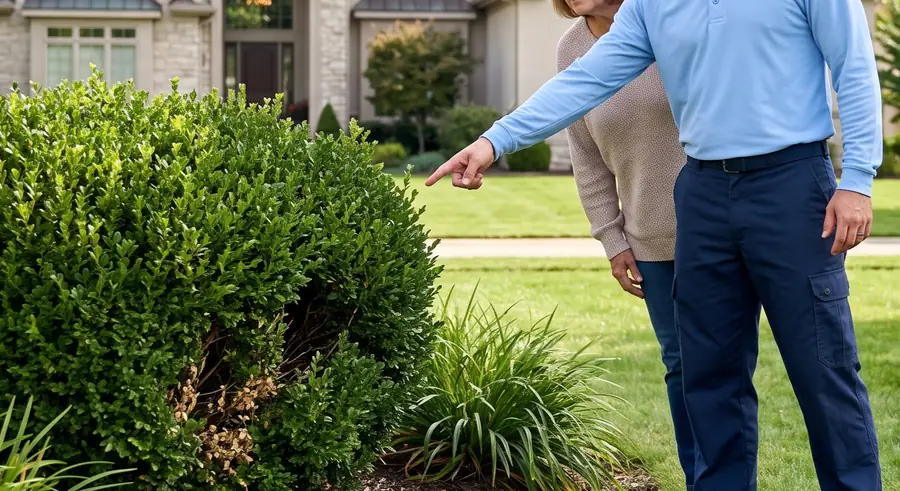
Inspect
We identify tick zones: edges, brush, tall grass.
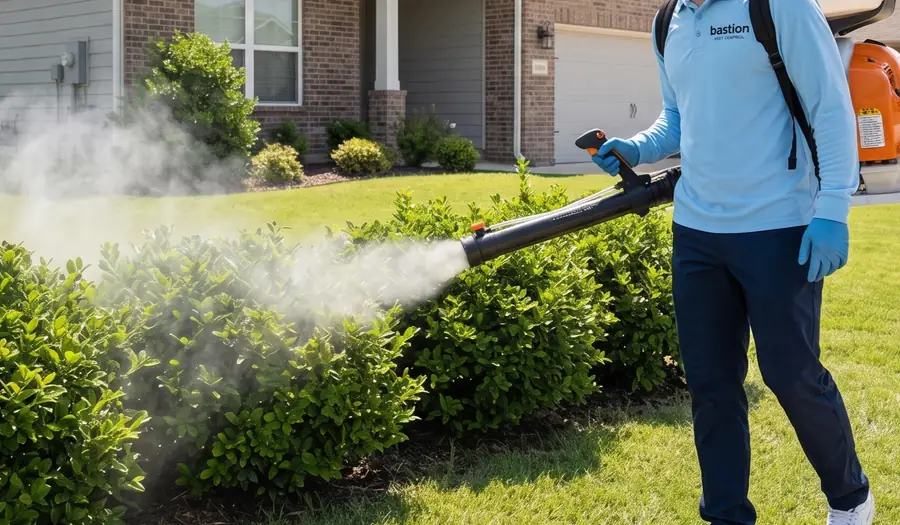
Treat
Targeted treatment of tick habitat, pet and kid friendly.
Protect
Seasonal retreatment and habitat advice. We knock the population down hard, though on a wooded lot a few always survive.
Where ticks actually find you in Central Texas.
Every photo here came off a real service visit around the Austin metro. Two things stand out: how small they are before they feed, and how large they get after. Almost none of these were noticed at the moment of the bite.
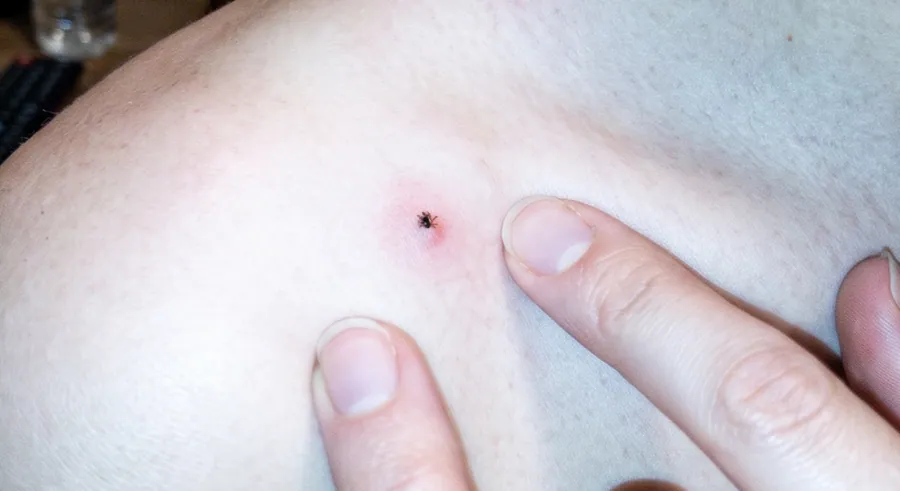
A nymph is about the size of a poppy seed and does most of the biting. People usually find one by touch in the shower rather than by looking for it.
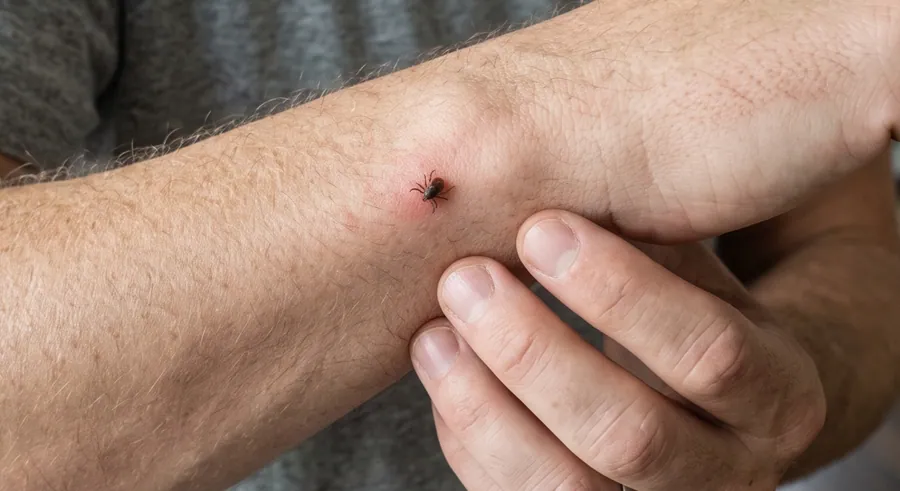
Once the mouthparts are anchored it will not brush off. Fine tweezers, as close to the skin as you can get, and pull straight out. Skip the matches and the nail polish.
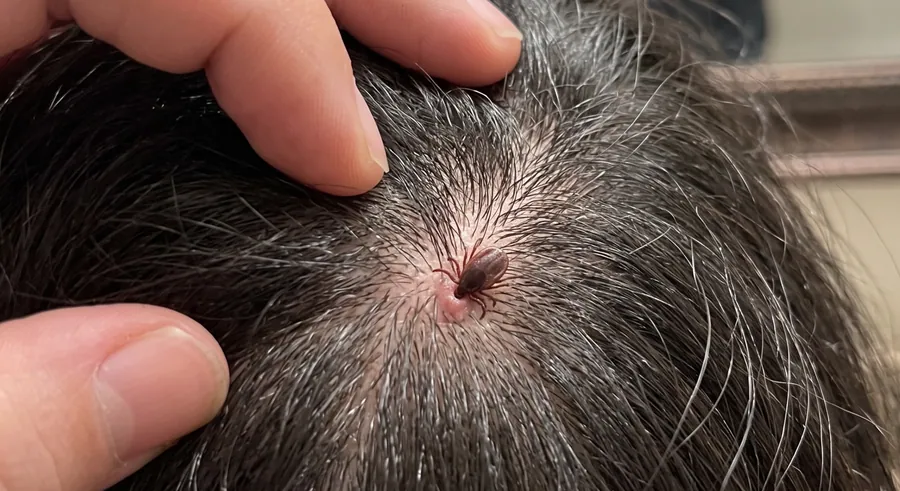
Ticks climb until something stops them. Scalp, waistband and sock line are the three places worth checking first after an afternoon in the yard.
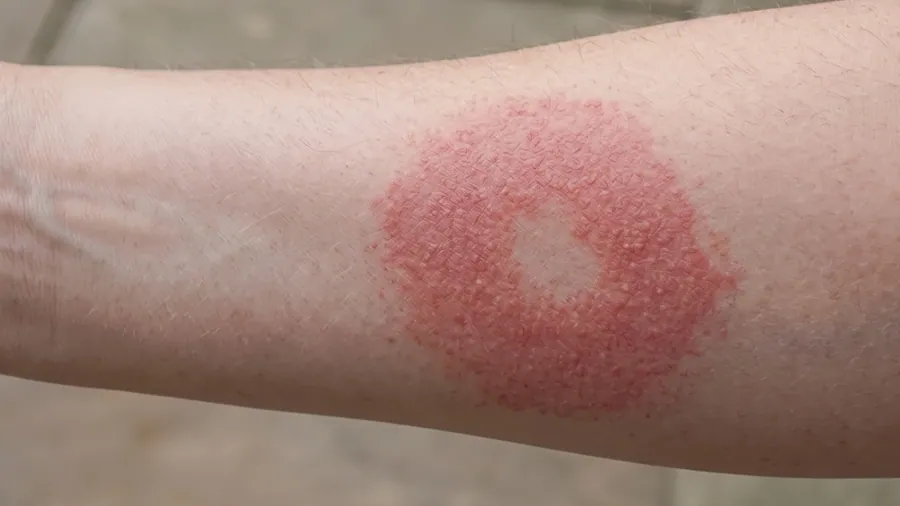
An expanding ring days after a bite. Lyme is rare in Texas and a lone star bite can leave a very similar mark, so this one is a doctor visit rather than a guess from a photo.
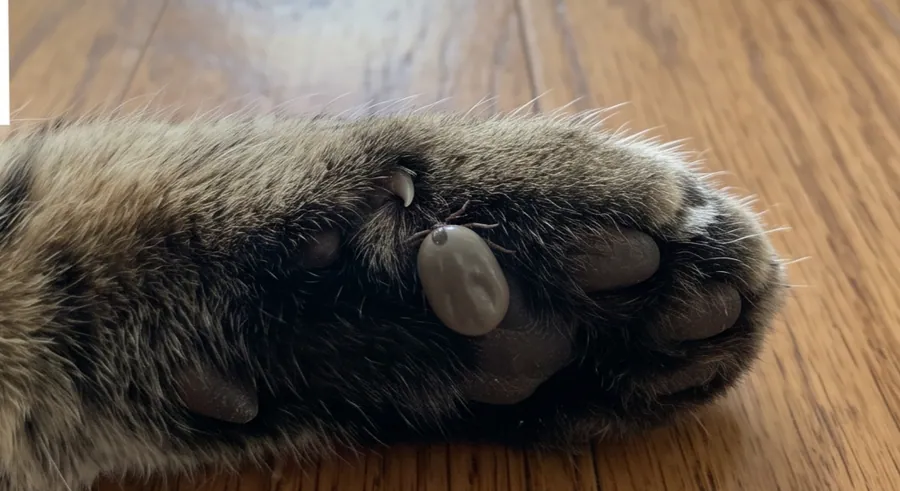
Gray and swollen means it has been on for days. Pets pick them up along the same yard edges you walk, and paws are an easy place to miss.
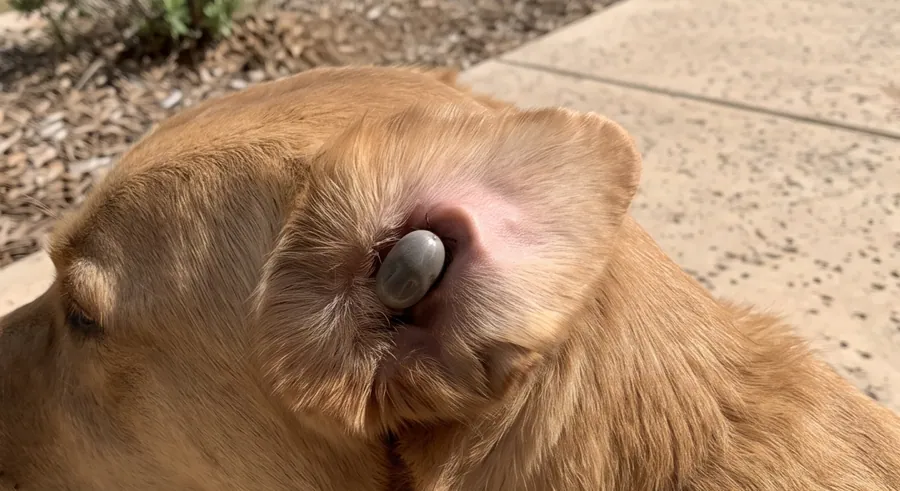
Ears, armpits and between the toes are where they end up on a dog. Finding one this size usually means the yard holds a population, not a single hitchhiker.
Pest-Free Guarantee
They come back? So do we, free.
Free re-treatments between scheduled visits on any recurring plan.
What it costs
Tick control comes with the mosquito plan.
Ticks sit in the same add-on package as mosquitoes and fleas, so one plan covers all three. The work targets the yard edges, tall grass and leaf litter where ticks quest, because that boundary is where they pick up a host rather than the middle of a mown lawn.
| General Pest + RodentNo ticks | General + Rodent + MosquitoTicks included | |
|---|---|---|
| What it covers | Ants, spiders, cockroaches, scorpions, wasps and rodents | Everything in the general plan, plus the mosquito, flea and tick package |
| Ticks | Not included | Included, exterior treatment |
| Where we treat | Foundation band, granular yard moat and property line | The same three layers, plus tall grass, leaf litter and shaded yard edges |
| Heaviest season | Year-round | March through May, then a second wave of nymphs in July and August |
| On a wooded lot | Not applicable | We knock the population down hard, but on a wooded lot a few always survive |
| Price | From $66 a month* | From $166 a month* |
Be straight with us about what borders your lot. Brush, greenbelt, pasture or a deer trail all change the plan, and on a wooded lot we knock the population down hard but a few always survive. A rash after a bite is a doctor visit, not a phone call.
* Starting price. Your exact number depends on home size, lot size and current pest pressure.
Tick control, answered straight.
When are ticks worst in Central Texas?
March through May. Adult lone star ticks start questing in late winter and peak across those three months, then a second wave of larvae and nymphs arrives in July and August. Texas A&M AgriLife records adults active from January and February, nymphs April to June and again July to August, and larvae peaking June to August. That overlap is why the risk window is so long.
What is alpha-gal syndrome?
An allergy to red meat that a lone star tick bite can trigger. The lone star tick is the species most often encountered in Central Texas, which is why tick work here is a health issue rather than a nuisance one. A rash or illness after a bite is a doctor visit, not a phone call to us.
Where in the yard do ticks wait?
At the edges. Ticks do not roam. They sit in vegetation at the boundary between mown lawn and brush with their front legs out, waiting for something warm to walk past. Tall grass, leaf litter and deer trails crossing the back fence are the zones that matter, not the middle of the lawn.
How much does tick control cost?
Ticks sit in the add-on package with mosquitoes and fleas, which brings the general plan to $166 a month. The general plan on its own is $66 a month and does not include ticks. Both are starting rates for a single-family home.
Can you get rid of ticks completely?
On an ordinary suburban lot, treatment knocks the population down hard and holds it down through the season. On a wooded lot backing onto greenbelt or pasture, a few always survive, and anyone promising otherwise is selling you something. Habitat work at the yard edge is what makes the difference.
How small is a tick before it feeds?
A nymph is about the size of a poppy seed, and nymphs do most of the biting. People usually find one by touch in the shower rather than by looking for it. Once the mouthparts are anchored it will not brush off, so use fine tweezers as close to the skin as you can get.
More questions? Read the full FAQ or get a free quote.
Tick control where you live.
Cedar and oak scrub with deer moving through it is the recipe, which puts Cedar Park's west side and the canyons around Crystal Falls in Leander at the top of the list. Large lots that border pasture in Georgetown come next. Here is each city.
We service 26 cities and 83 ZIP codes with no travel fee anywhere. The service area page has every city and ZIP, plus a coverage map.
Other pests we treat
One recurring plan covers all of these. No per-pest pricing and no upcharge when a different one shows up.
Every plan includes the full TriBarrier™ treatment. See all services →
Answered 24 hours · Austin, TX
Ready to be done with it?
Quotes are free, there is no inspection fee, and the phone is answered around the clock. Same-day service is usually open across the metro.