Tick control in Leander, TX.
Leander yards back onto canyon, cedar and open tracts nobody has graded yet, and the deer that live there do not respect a fence. Tick suppression in those edge bands is built into the mosquito plan, from $166 a month for a single-family home, and re-treatments between visits cost nothing on an active plan.
Written by the Bastion Pest Control service team · Licensed & insured in Texas · Last updated
What Leander homeowners ask about ticks first
New streets in Bryson and old cedar in Crystal Falls get ticks for the same reason: something with four legs walks through. The short version, six cards down.
- Peak season
- Year-round, peaks spring
- Lone star adults are on the cedar along Leander greenbelts by March, before yards feel like spring.
- Main driver
- Deer traffic
- Deer coming off the Balcones Canyonlands edge and open tracts into Leander backyards.
- Where they wait
- Yard edges
- Tall grass, cedar line, greenbelt border, not open lawn.
- Included in
- $166/mo plan*
- With mosquito and flea service.
- Health risk
- Disease vectors
- We treat the yard so they never reach you.
Tick control comes with the mosquito plan.
The General Pest + Rodent + Mosquito plan starts at $166 a month for a single-family Leander home, and tick and flea suppression in the treated areas is already inside that price. No surcharge for the cedar edge, no separate tick visit. If they show up again before your next scheduled stop, the re-treatment is free while the plan is active. Large or heavily wooded lots are quoted on site.
See full pricing details →Starting rate for a single-family home in Leander. Includes flea and tick suppression in treated areas plus free re-treatments.
| General Pest + RodentNo ticks | General + Rodent + MosquitoTicks included | |
|---|---|---|
| What it covers | Ants, spiders, cockroaches, scorpions, wasps and rodents | Everything in the general plan, plus the mosquito, flea and tick package |
| Ticks | Not included | Included, exterior treatment |
| Where we treat | Foundation band, granular yard moat and property line | The same three layers, plus tall grass, leaf litter and shaded yard edges |
| Heaviest season | Year-round | March through May, and again in the fall |
| If they come back | Free re-treatments between visits | Free re-treatments between visits |
| Price | From $66 a month* | From $166 a month* |
* Starting price. Your exact number depends on home size, lot size and current pest pressure.
How we treat ticks in Leander.
Ticks wait in narrow, predictable bands. Broadcasting the whole lawn wastes product and misses the edges where the risk actually sits.
 1
1
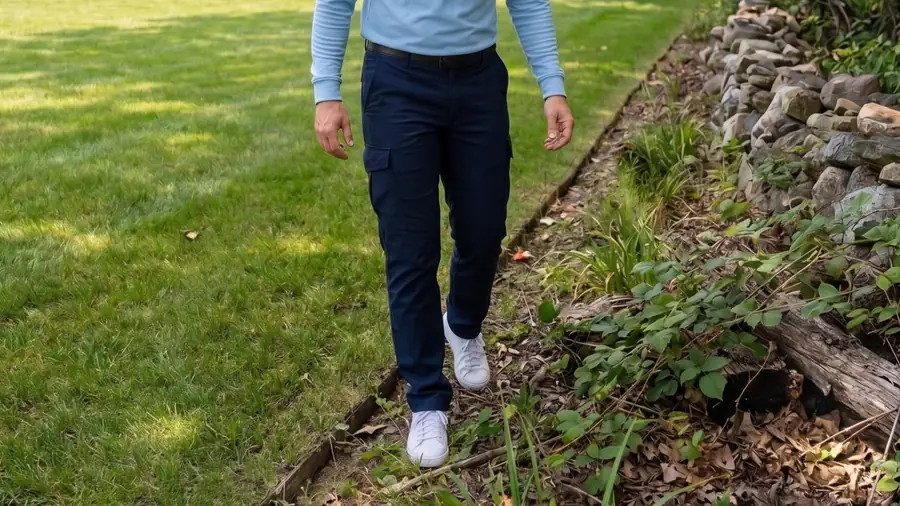
Map the edges
We walk the property and identify the questing zones: fence lines, the cedar and greenbelt border, shaded leaf litter, trail edges and the routes your dog uses.
 2
2
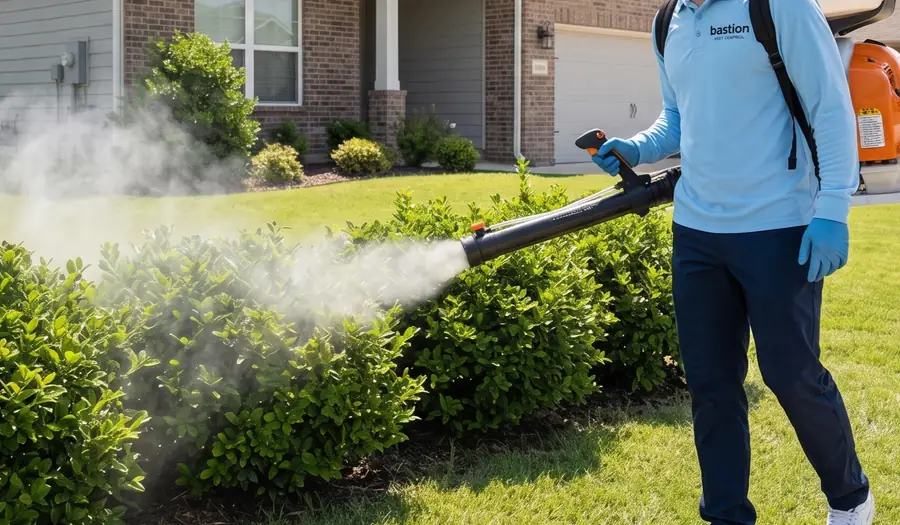
Treat those bands
A targeted application to the edge habitat and low vegetation where ticks sit waiting, plus the yard perimeter. That is where you actually pick them up.
 3
3
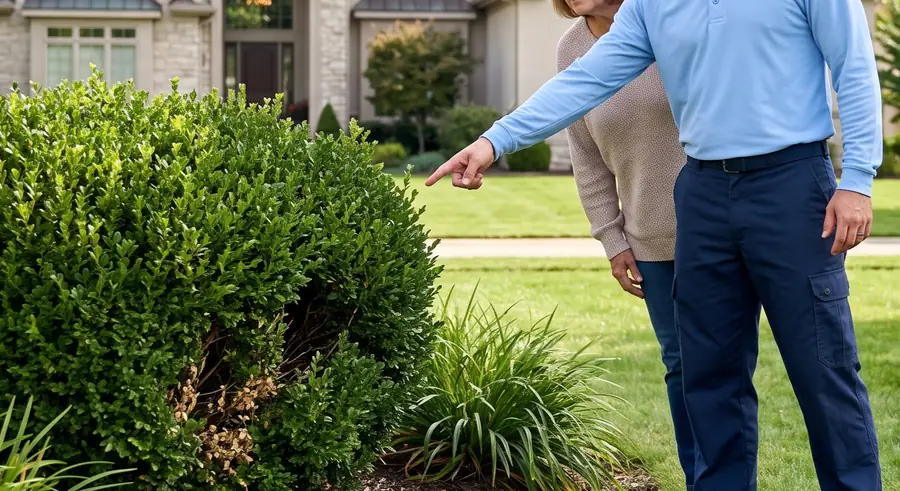
Reduce the habitat
We tell you what to change: cut back the brush line, clear leaf litter, keep grass short along fences, move woodpiles. Habitat reduction is what keeps pressure down between visits.
Recognize any of these in your Leander home?
Free quote, same-day service most days, and free re-treatments if they come back between visits.

Why Leander yards get ticks.
Ticks are terrible travelers. They cannot cover much ground on their own, so they catch a ride, and in Leander the ride is almost always a deer. Whitetail move constantly through the greenbelts, the Balcones Canyonlands edge, the South Fork San Gabriel corridor and the undeveloped tracts between subdivisions. And they walk through backyards on the way. A single deer can carry dozens of ticks, and every one that drops off to lay eggs in your landscaping starts a local population that has nothing to do with how clean your yard is.
Leander's vegetation then keeps them alive. Ashe juniper (cedar) holds shade and humidity at ground level better than almost anything else in Central Texas, and ticks dehydrate easily, so cedar cover, oak leaf litter and the brushy transition where a lawn meets a greenbelt are exactly where they survive the summer. Neighborhoods backing onto open space, like parts of Crystal Falls, Travisso and Bryson, have a permanent reservoir on the other side of the fence.
That is also why ticks behave differently from other yard pests. They do not fly or forage. They quest: climbing a grass stem or low branch at the edge of a trail and waiting, front legs extended, for something warm to brush past. Which means the risk on your property is concentrated in narrow, predictable bands: the fence line, the cedar edge, the path the dog takes, the tall grass along the greenbelt, not spread evenly across the open lawn.
The stakes are higher than the nuisance suggests. Ticks in Central Texas can transmit spotted fever rickettsiosis, ehrlichiosis, tularemia and other illnesses (the CDC's overview of tickborne disease), and lone star tick bites are also linked to alpha-gal syndrome, a lasting red-meat allergy. Dogs are at real risk too. Effective tick control is about treating those edge bands and reducing the habitat that lets ticks wait there in the first place.
Deer traffic
Whitetail moving between greenbelts and yards are how ticks arrive on a Leander property.
Cedar and leaf litter
Ashe juniper holds the ground-level humidity ticks need to survive the summer.
Greenbelt edges
The band where lawn meets brush is where ticks quest. And where treatment matters most.
Open-space adjacency
Homes backing onto undeveloped tracts have a permanent reservoir over the fence.
When are ticks worst in Leander?
Tick season starts earlier than most people expect. Adults are active from late winter and peak through spring, with a second wave of larvae and nymphs arriving in high summer.
Adult ticks are questing and looking for a host. This is the window that matters most for people and dogs.
The new generation of larvae and nymphs comes through. Smaller, harder to spot, and easy to miss on a pet.
Ticks quest at the boundary between mown lawn and brush. That edge is where treatment earns its keep.
Where ticks actually find you in Leander.
Every photo here came off a real Leander service call. With greenbelt on one side and tall grass on the other, most of these came off people and pets who only walked the edge of the yard.
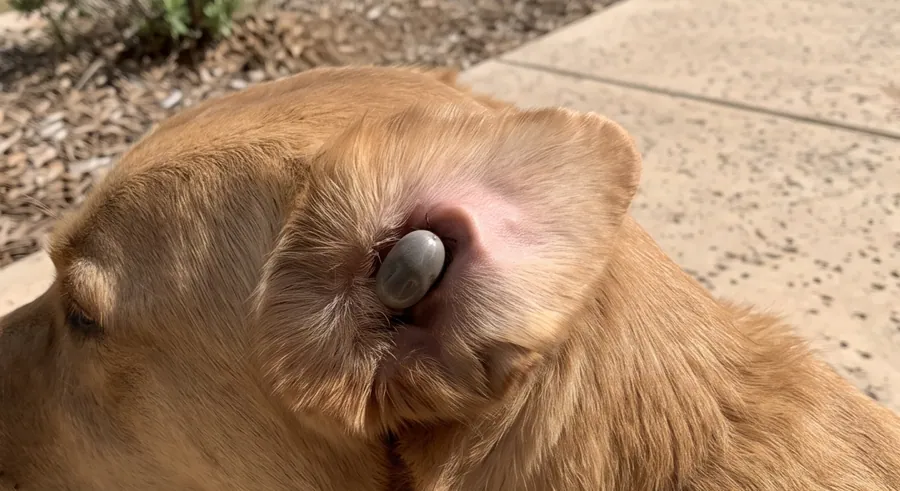
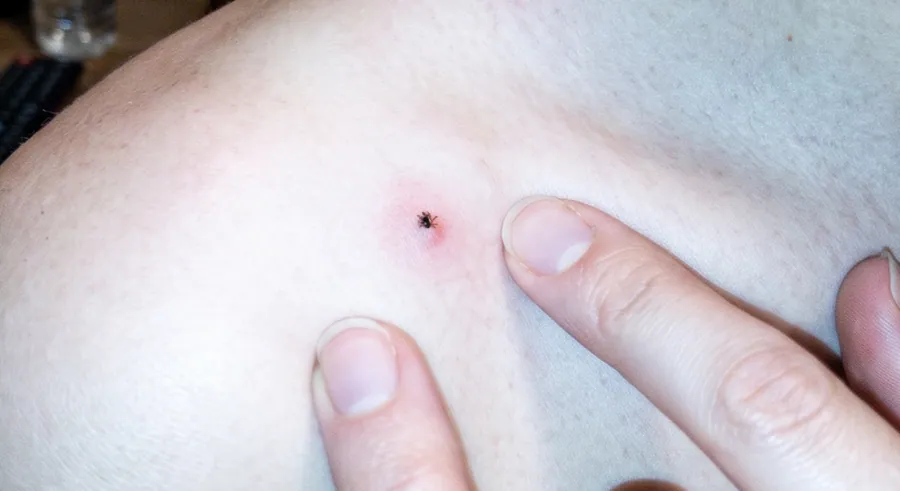
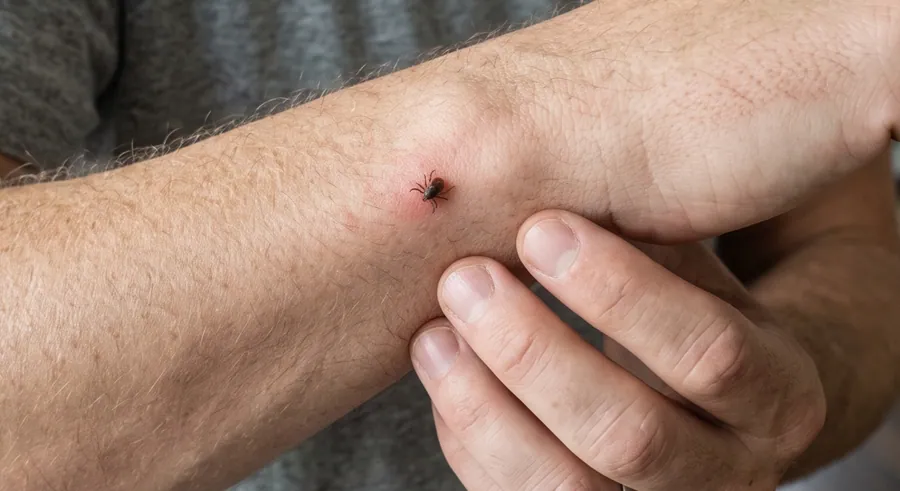
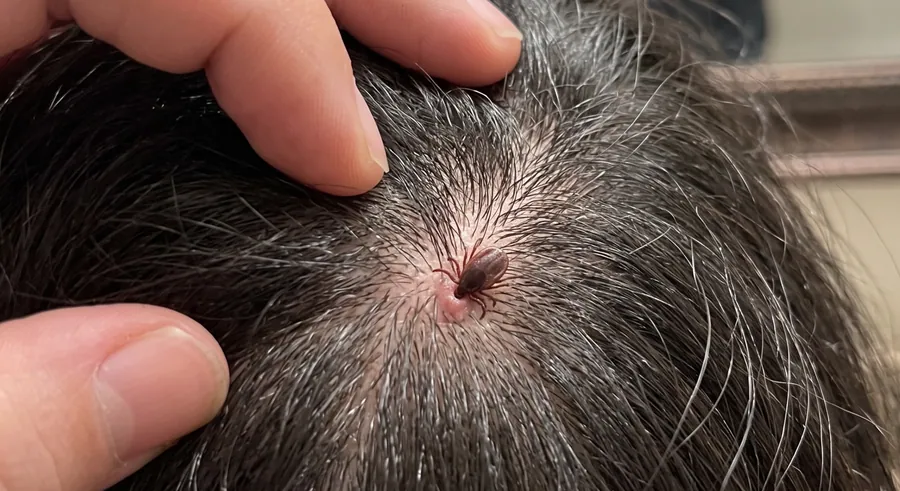
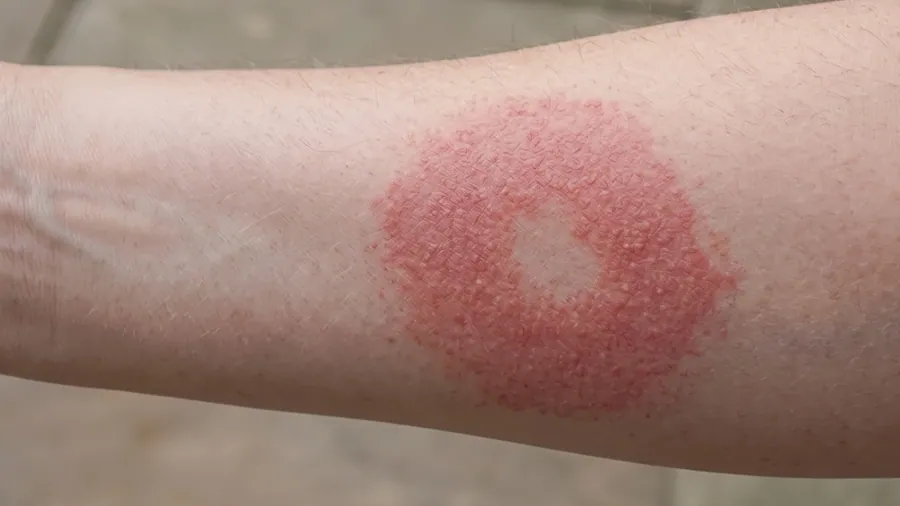
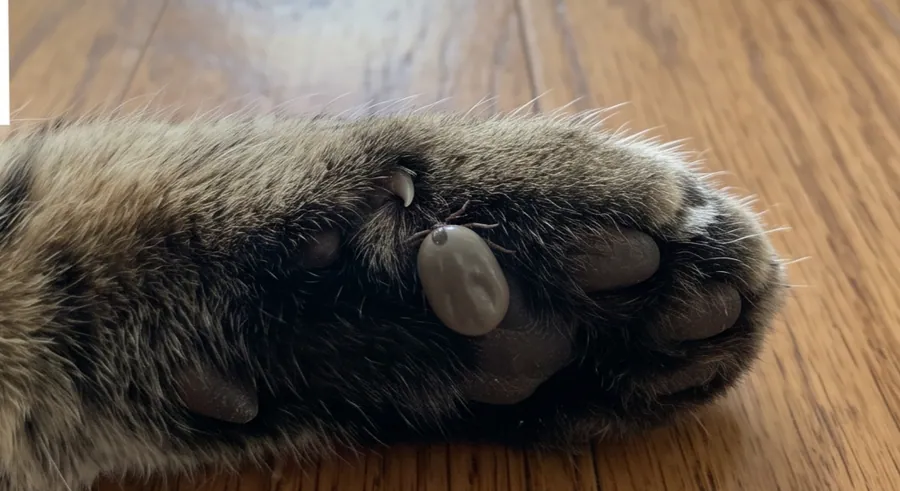
The ticks we find in Leander.
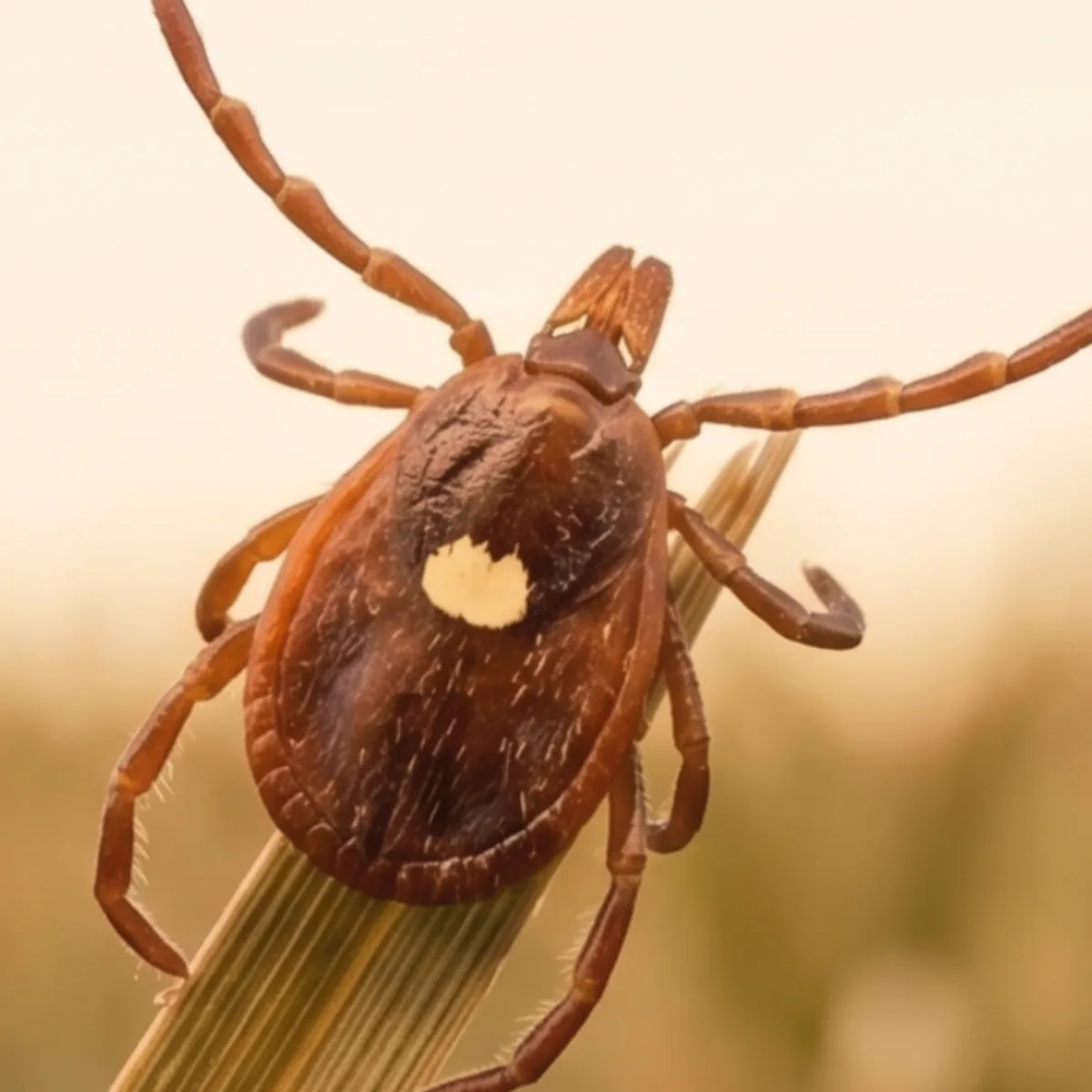
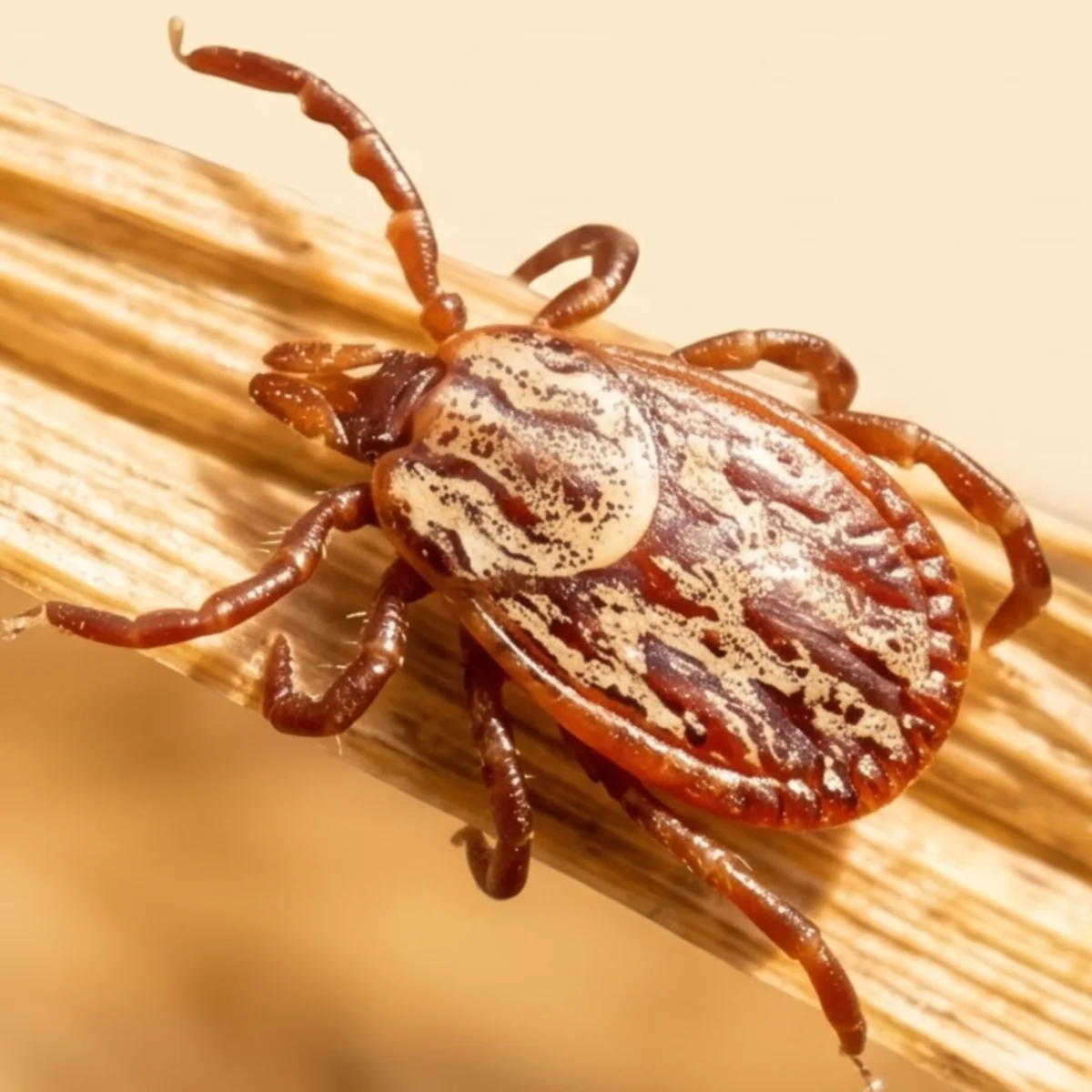
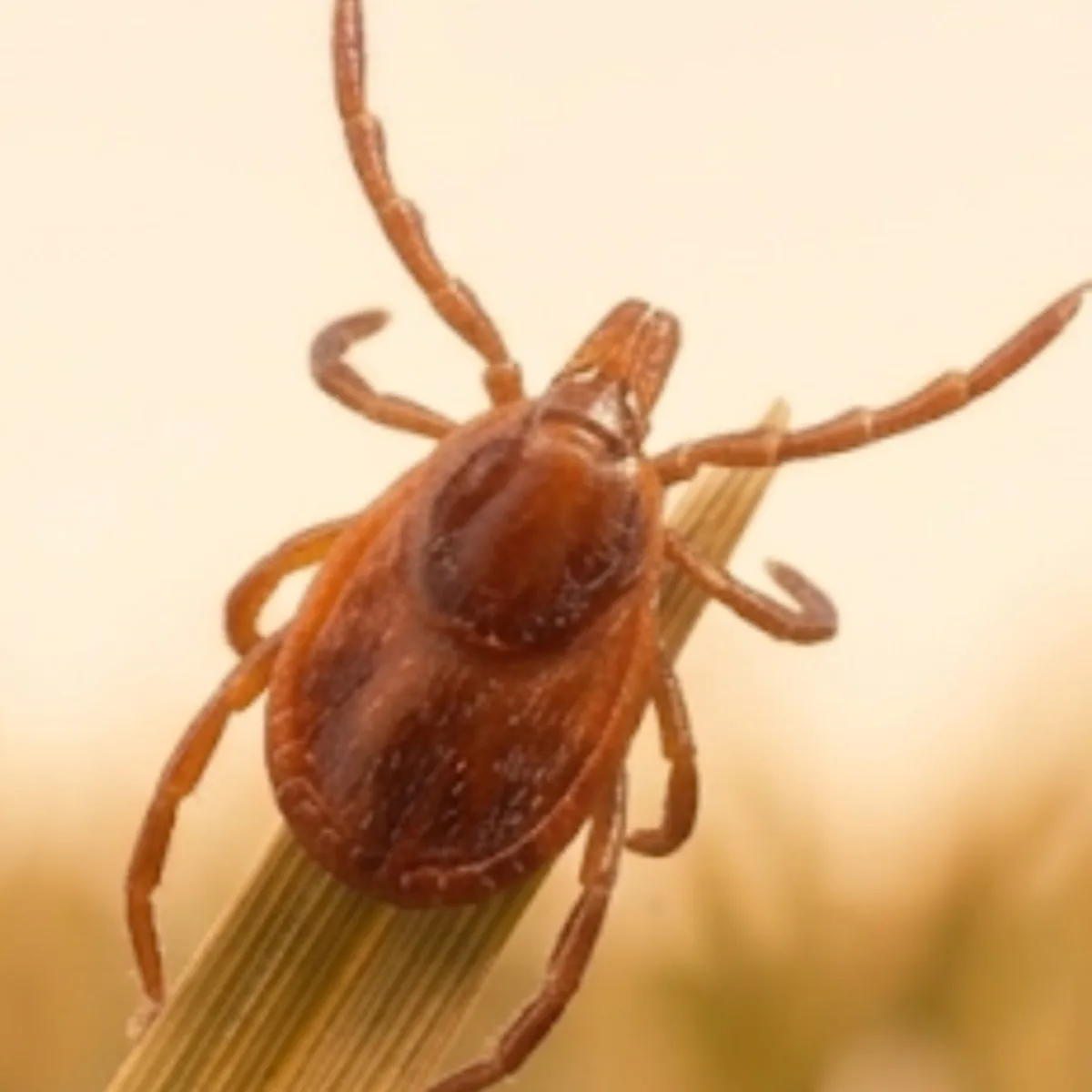
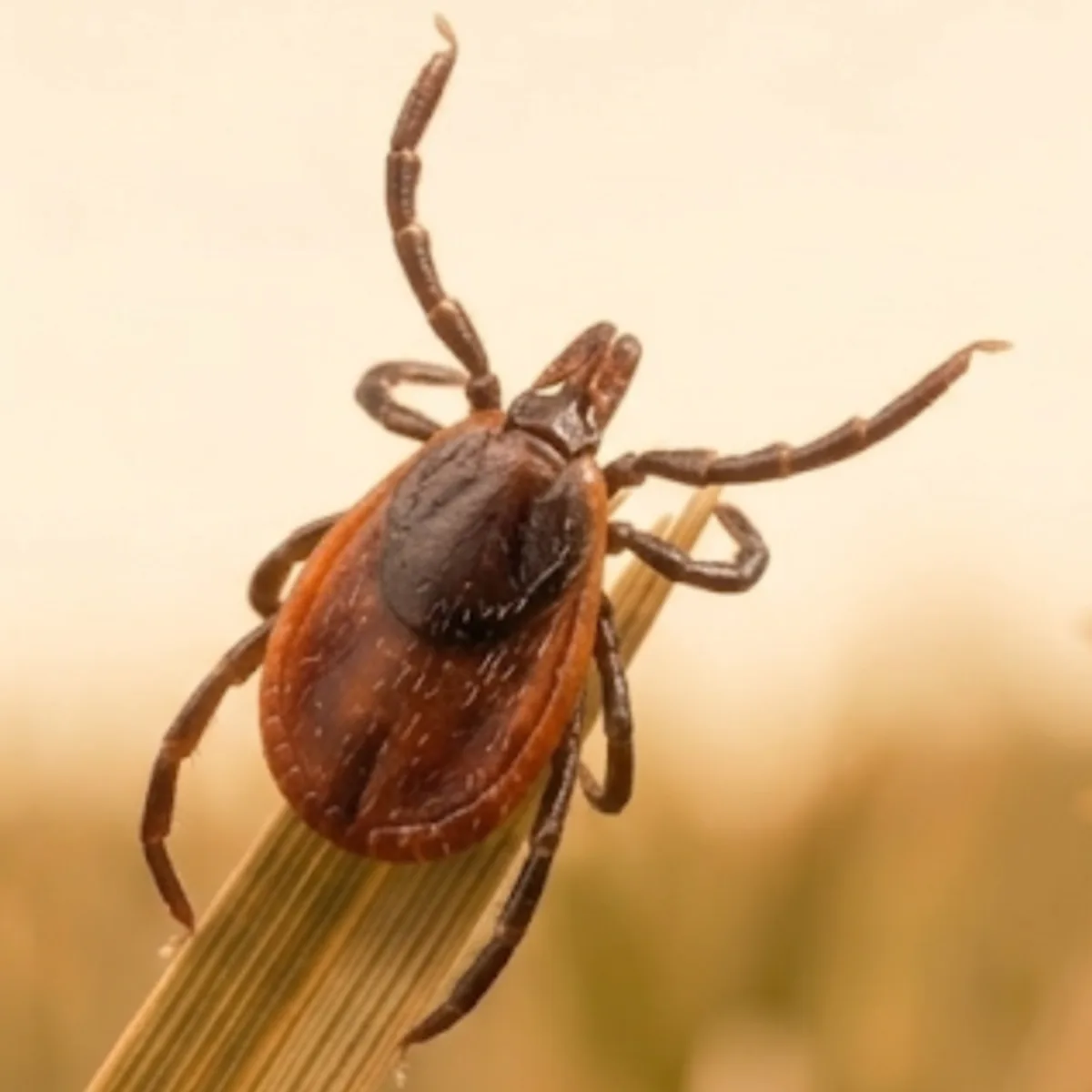
Somewhere in Leander the subdivisions stop and the canyon starts, and the tick that finds you depends on which side of that line your fence is on. Travisso and Crystal Falls lots see the ones that ride deer out of the cedar. A Bryson dog that walks graded streets can still bring home the indoor breeder. Names matter because treatment differs by species, so your technician confirms which one it is on site before anything gets applied.
A note on bites and stings. Reactions vary from person to person, and any bite or sting can cause a serious reaction in someone sensitive to it. Nothing here is medical advice. If you are bitten or stung and feel unwell, or the reaction spreads or does not settle, contact a doctor or Poison Control. If breathing or swallowing is affected, treat it as an emergency and call 911.
What tells us you have a yard population.
A tick or two after a walk on the greenbelt trail is exposure, and Leander has a lot of trail. Ticks off a kid who never left the patio are something else. Describe what you are seeing when you call, and we can usually sort out on the phone whether it needs someone out today or can ride the regular route.
- Ticks on the dog after it was only in the yard
- Repeat finds after yard work, not hiking
- Deer regularly crossing or bedding in the yard
- Tall grass or brush along a fence or greenbelt
- Ticks on people after time on the patio or lawn
- Ticks crawling on interior walls or dog bedding
- Lot backing onto canyon or greenbelt in Crystal Falls or Travisso
- Freshly graded limestone lot next to an undeveloped tract
Every corner of Leander, same guarantee.
Tick pressure in Leander tracks how much undeveloped ground touches your lot. Crystal Falls and Travisso sit in cedar and oak on canyon and greenbelt edges, which is where the deer and the ticks both live. Bryson and Palmera Ridge are newer and more open, but the tracts between them still move whitetail through. For tick removal in Leander, we spend most of our time on those two kinds of streets.
Not listed? We almost certainly cover it, see pest control in Leander or the full service area.
The Leander tick FAQ.
How much does tick control cost in Leander, TX?
Flea and tick suppression is included in our General Pest + Rodent + Mosquito plan, starting at $166 per month for a single-family home in Leander. That covers the yard treatment plus general pest and rodent service on the same visit. Large or heavily wooded lots are priced higher, and the on-site quote is free.
Why does my yard have ticks when we do not hike?
Because deer bring them to you. Whitetail move constantly between Leander greenbelts, open tracts and backyards, and a single deer can carry dozens of ticks. Each one that drops off to lay eggs in your landscaping starts a population on your property. Cedar cover and leaf litter then hold the humidity that lets them survive, so the yard sustains them without any help from you.
Do you spray the whole lawn for ticks?
No, and treating the open lawn is mostly wasted product. Ticks quest at the edges: fence lines, the cedar and greenbelt border, shaded leaf litter, trail routes, because they dehydrate in open sun. We map those bands and treat them, along with the yard perimeter, which is where your exposure actually happens.
Is tick treatment kid and pet friendly?
We treat edge habitat and low vegetation rather than open play areas, and we use pet and kid friendly products. Keep pets and kids off treated areas until dry, usually about 30 minutes. Your technician will tell you if any area needs longer. Yard treatment is not a substitute for your dog's veterinary tick preventive, the two work together, and you should keep both.
What should I do if I find a tick on me?
Remove it right away with fine-tipped tweezers, gripping as close to the skin as you can and pulling straight out with steady, even pressure. No twisting, no petroleum jelly, no lit matches, none of the tricks your uncle swears by. Clean the bite afterward and keep an eye on it, and if a rash, fever or aches show up in the following days, see a doctor. Our end of this is simpler: we treat the yard so there is nothing out there to pull off in the first place.
When is tick season in Leander?
Ticks are active year-round here because Central Texas winters are mild enough to be meaningless, with pressure peaking spring through early fall. Around Leander's undeveloped edges the wildlife keeps topping up the supply.
Why does my brand-new Bryson lot already have ticks in it?
Because the lot next to it is still cedar and brush, and the deer that lived there did not move away when yours was graded. Whitetail keep walking their old routes across new fence lines, and each one that drops a tick in your fresh landscaping starts a population that has nothing to do with the age of your sod. We treat the edge on your side and tell you what to keep short until the neighborhood fills in.
Do canyon-edge lots in Crystal Falls or Travisso need treating more than once?
Yes, and that is why it is a recurring plan rather than a one-off. Adults peak in the cedar from March to May and a second wave of nymphs comes through in July and August, while the greenbelt on the far side of the fence restocks the edge all year. Each visit treats the bands where they quest, and if they reappear between visits the re-treatment costs nothing on an active plan.
Leander: everything else we handle





Same tick plan, next town over
We treat ticks in every city we serve. Same crew, same guarantee, different brush on the boundary. Find your city below, read the full tick control overview, or check the complete service area.
Answered 24 hours · Leander, TX
Take the yard back.
Free quote, same-day service across Leander, and free re-treatments if tick pressure spikes between visits.