Austin, TX and 25 more cities
Centipede control
Centipedes and millipedes, stopped at the damp beds and weep holes they crawl in through. Covered on the general plan.
Quick answers
Centipede control in Central Texas: the quick facts
Centipedes and millipedes live in damp mulch, leaf litter and soil, and they come inside when rain or drought pushes them, most of all around Austin's two wettest months, May and October. Centipedes hunt insects and can bite; millipedes eat rotting plant matter and do not. Both are covered on the general pest plan from $66 a month.
- Worst months
- May and October
- Austin's two wettest months, when they move the most.
- Risk
- Mostly low
- Most are harmless. The giant redheaded centipede is the one to leave alone.
- Where they live
- Damp mulch
- Leaf litter, mulch beds and soil against the foundation.
- Included in
- The $66/mo plan
- Centipedes and millipedes are on the general pest plan.
Written by the Bastion Pest Control service team · Licensed & insured in Texas · Last updated
Centipedes and millipedes in Central Texas.
Centipedes have one pair of legs on each body segment, move fast and hunt insects and spiders at night. Millipedes have two pairs per segment, move slowly and eat decaying leaves and mulch (Texas A&M AgriLife). Neither one spreads disease, and both need moisture to survive.
That last part is the whole game. A house is too dry for them to live in for long, so the ones you see came in from the damp beds against the foundation. Treat that zone, dry it out and close the gaps, and the indoor sightings stop.

Seasonal pattern
When are centipedes and millipedes worst in Austin?
They follow moisture. Activity climbs with spring rain, peaks around Austin's two wettest months, May and October, and slows in the cold. A long summer drought can push them indoors too, looking for damp.
- Wettest months
- May and October
- Austin averages 5.04 and 3.91 inches, the two highest months at Camp Mabry.
- Drought
- Pushes them in
- Texas A&M says millipedes move indoors in drought as well as after heavy rain.
- Winter
- Slows them down
- Centipedes spend the winter as adults and lay eggs in the warm months.
Warning signs
If you see them inside, the problem is outside.
House centipedes darting across bathroom floors or walls at night
Millipedes curled up on the garage floor after rain
Deep, damp mulch packed against the foundation
Gaps under doors and open weep holes in the brick
Indoors is the end of the trail. Call us at 843-480-8699 and tell us which rooms you find them in. The room usually points straight to the damp spot outside.
How we get rid of centipedes and millipedes.

Inspect
We find the damp spots first: under sinks, around tubs, laundry rooms and the garage.
Treat
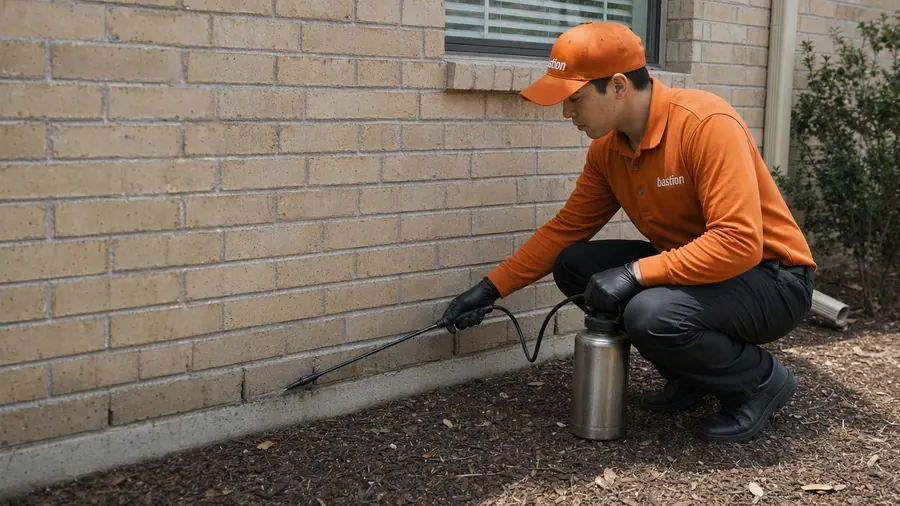
A band along the foundation and into the weep holes, where they crawl in.
Seal
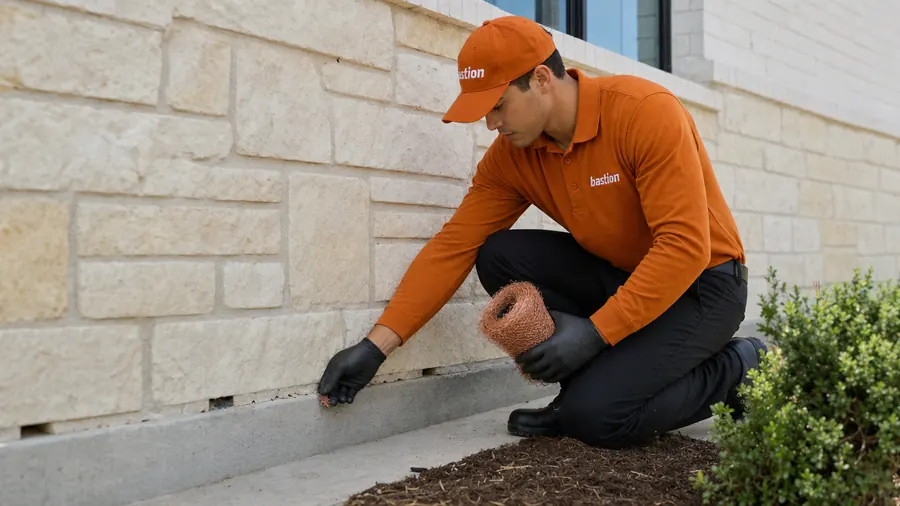
Copper mesh in open weep holes and gaps at doors and pipes, so the next wave stays out.
How to tell what you have got.
Where you find them says as much as what they look like. These are the three places they turn up most around Austin homes.
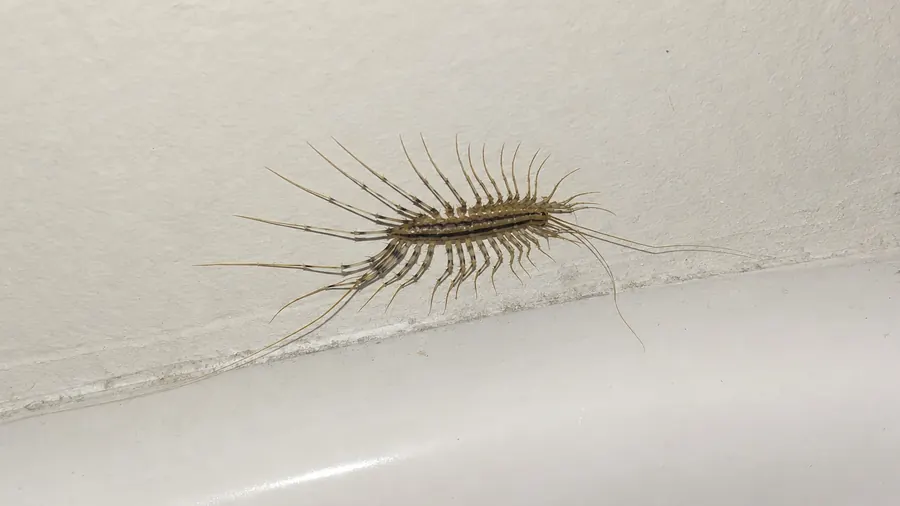
Fast, long-legged and out at night. A house centipede indoors means there is moisture nearby and insects for it to eat.
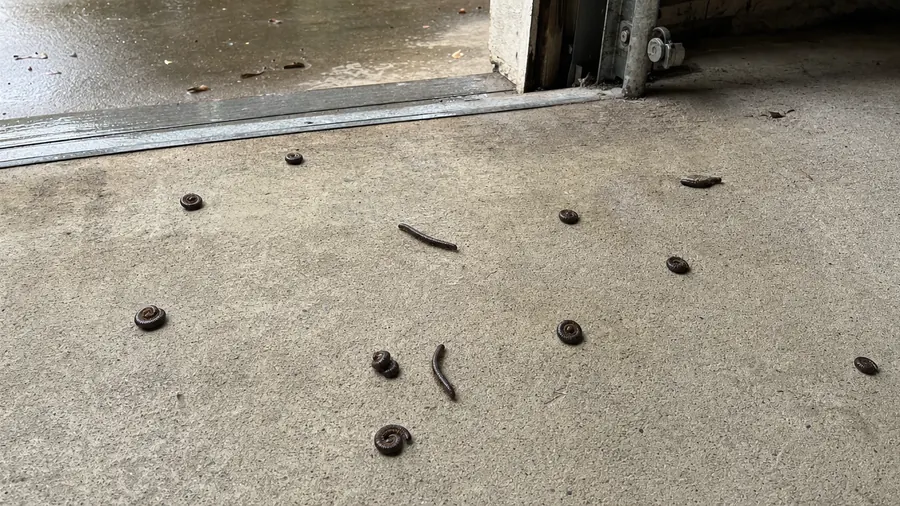
Millipedes move in after heavy rain, then die within days because the house is too dry. Curled spirals on the floor are the giveaway.
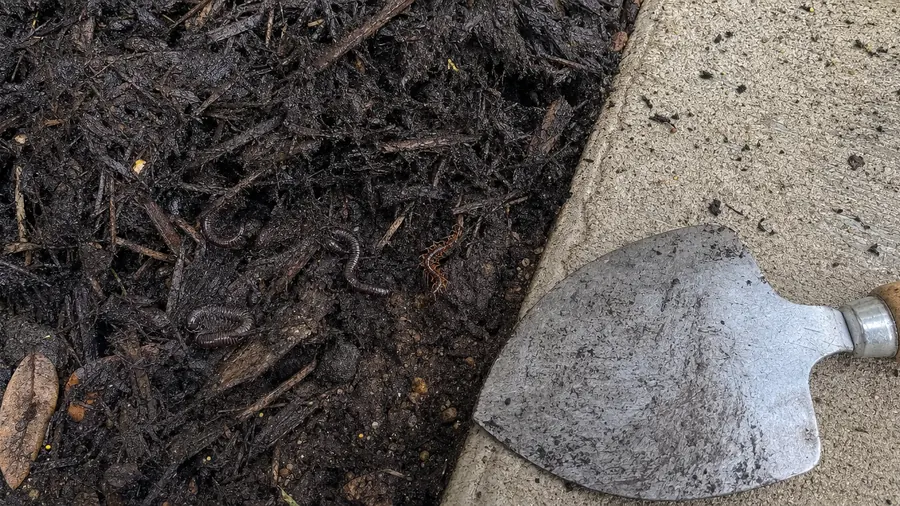
Pull back wet mulch at the slab and this is what lives there, a few feet from the door. Texas A&M suggests turning mulch now and then so it dries out.
Know your pest
The centipedes and millipedes you might find in Central Texas.
Three turn up around Austin homes more than any others. Two are centipedes and one is a millipede, and only one of them deserves real caution.
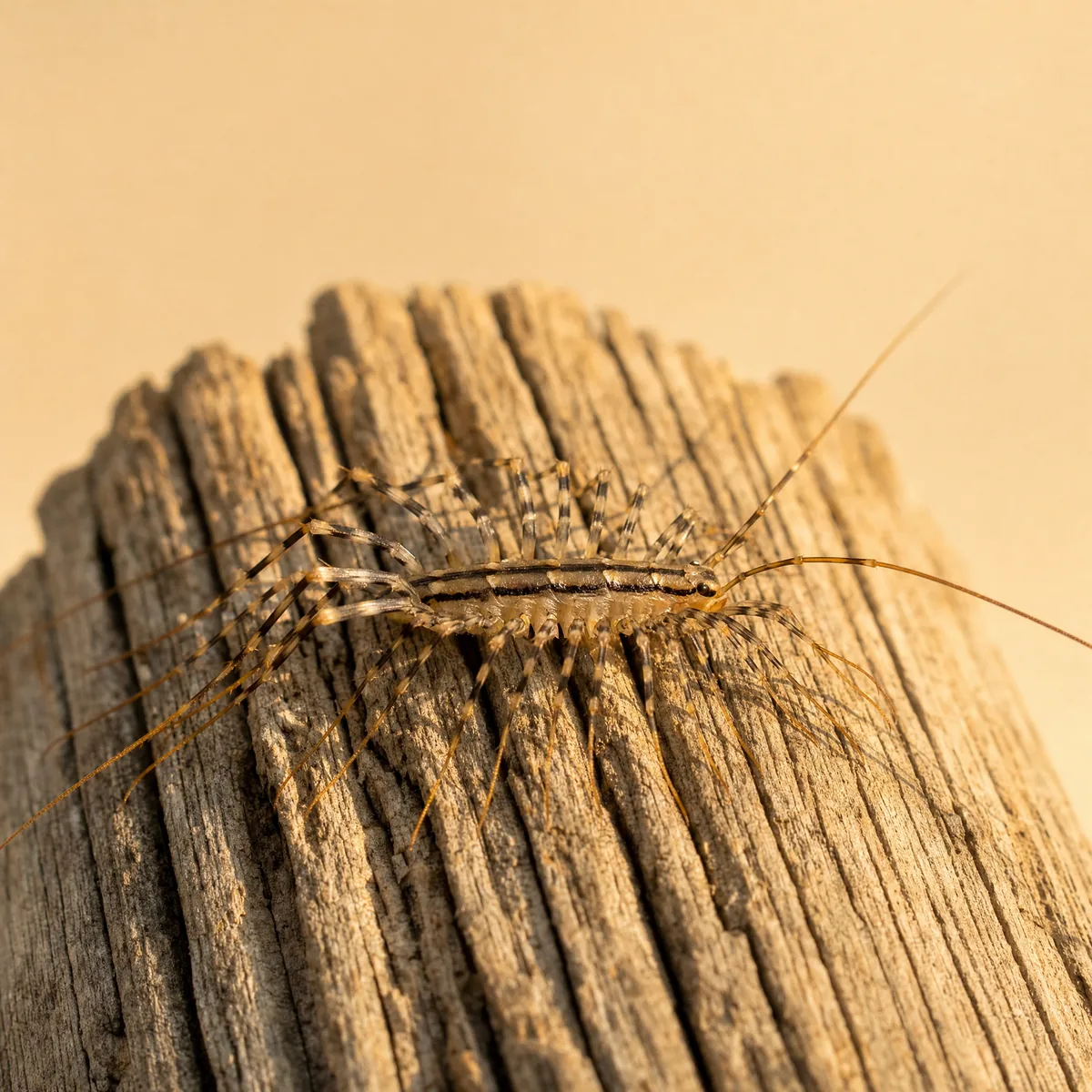
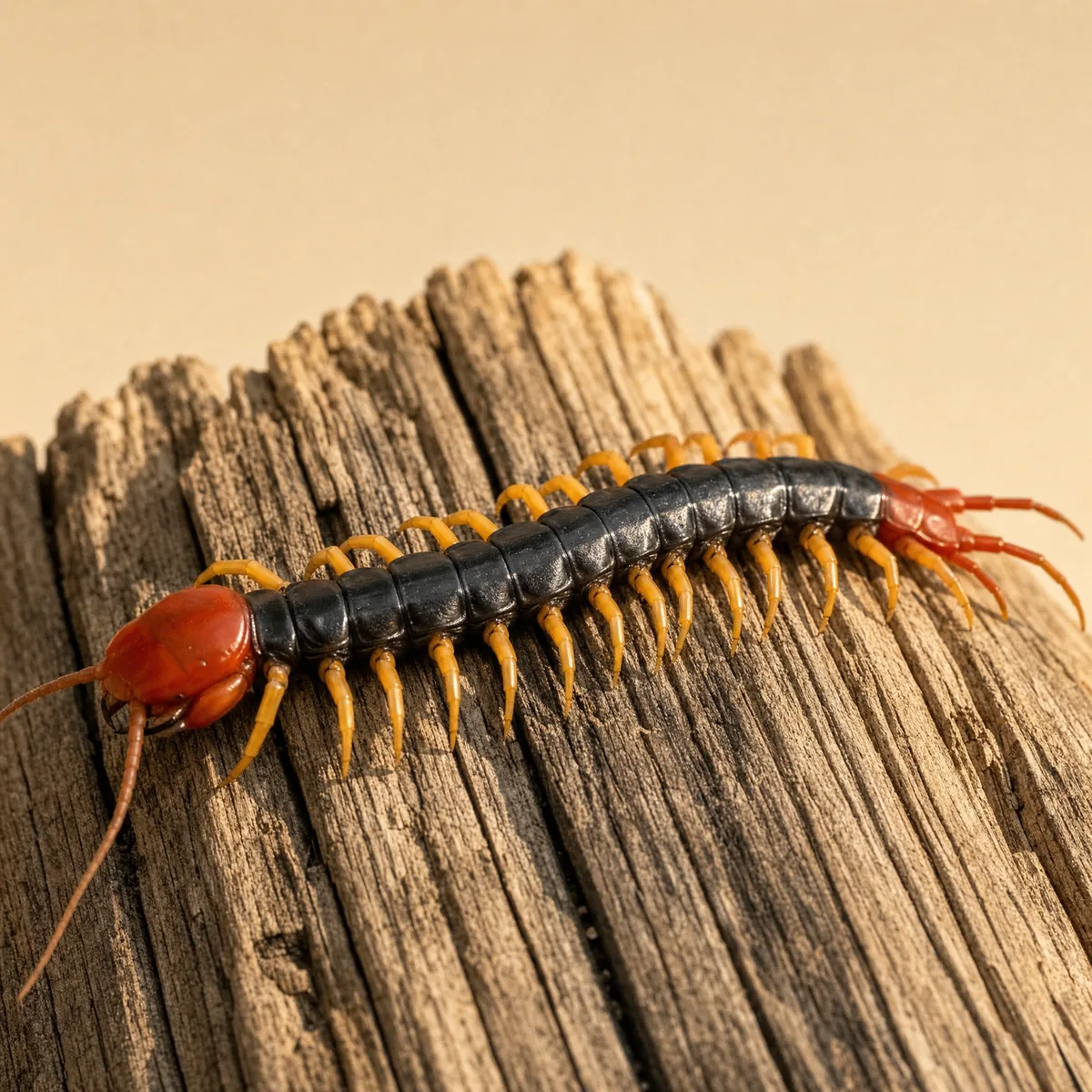
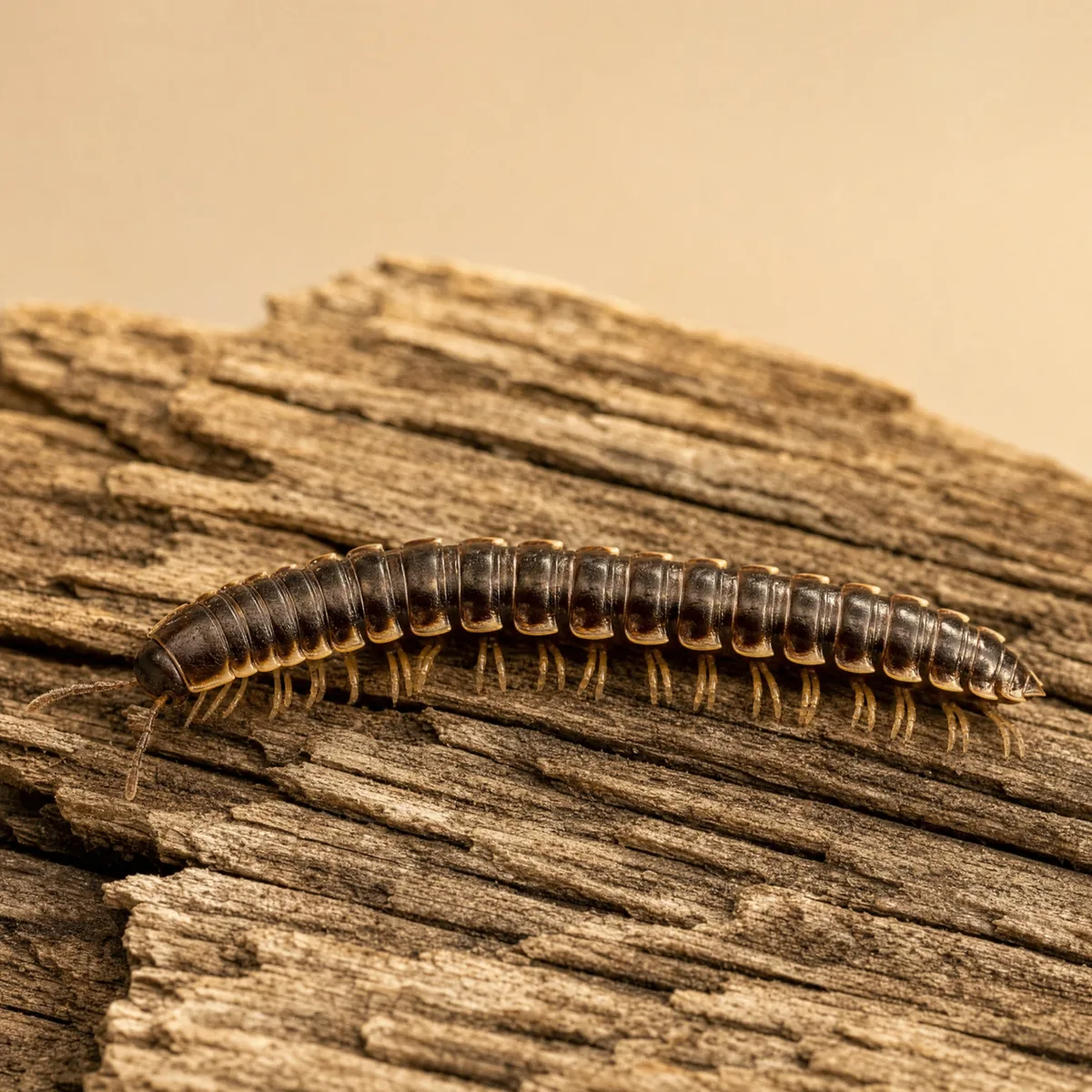
Not sure what you have got? Text a photo to 843-480-8699 and we will tell you.
Pest-Free Guarantee
They come back? So do we, free.
Free re-treatments between scheduled visits on any recurring plan.
What it costs
Centipede control is included in the general pest plan.
Centipedes and millipedes ride on the recurring general pest plan at no extra charge. The foundation band, the weep holes and the damp beds get treated every visit, and free re-treatments apply if they show up between visits.
| General pest planRecurring | One-time treatmentSingle visit | |
|---|---|---|
| What it is for | Keeping centipedes, millipedes and the insects they eat down year-round | Clearing one wave after a rain |
| Right for you if | You keep finding them after every storm | You want one cleanup before guests or a sale |
| What you get | Full TriBarrier™ every visit, foundation, yard and property line | One full TriBarrier™ treatment |
| If they come back | We re-treat free, with no limit and no trip fee | A return visit is a new charge |
| Other pests covered | Ants, spiders, cockroaches, scorpions, wasps and rodents | Centipedes and millipedes only |
| Price | From $66 a month* | Quoted per job* |
Centipedes follow their food and millipedes follow the moisture. Treating the foundation and drying out the beds handles both, which is why the recurring plan is what actually holds.
* Starting price. Your exact number depends on home size, lot size and current pest pressure.
Centipede Control, answered straight.
Are centipedes in Texas dangerous?
Mostly no. Centipedes do not spread disease, and the small ones that turn up indoors rarely bite people. The exception is the giant redheaded centipede, which can grow to about 6 inches. Its bite hurts, and Texas A&M notes the claws on its walking legs can make tiny cuts that get inflamed. Do not pick one up. Trap it under a jar or sweep it into a dustpan and take it outside.
Why do I see centipedes in my bathroom?
House centipedes go where it is damp and where the insects they eat are. Bathrooms, laundry rooms, closets and garages give them both, and they hunt at night, which is why you meet them on the way to the sink. One in the tub is a sign of moisture and other bugs nearby. Fix drips, run the fan, and treat the cracks and baseboards they hide along.
What is the difference between a centipede and a millipede?
Count the legs on one segment. A centipede has one pair per segment, a flat body and long antennae, moves fast and hunts insects. A millipede has two pairs per segment and a rounder body, moves slowly, eats decaying plant matter and curls into a spiral when disturbed or dead. Centipedes can bite. Millipedes do not bite, but their defensive fluid can irritate eyes and skin.
Why are there millipedes all over my garage after it rains?
Texas A&M says many millipedes move into homes after heavy rainfall or during drought. They are looking for the right amount of moisture, and they usually die within days because a garage or a house is too dry for them. Sweep or vacuum them up. A treated foundation and drier beds against the house stop the next wave.
How do I keep centipedes and millipedes out of the house?
Take away the damp and the hiding places. Move compost, firewood and stones away from the walls, leave a band of gravel between the foundation and any flower bed that touches it, and turn the mulch now and then so it dries out. Seal gaps around doors, windows and pipes, and on brick or stone homes stuff the weep holes with copper mesh, which will not rust and stain a light wall the way steel wool can.
Does the $66 monthly pest plan cover centipedes and millipedes?
Yes. Both are on the recurring general pest plan from $66 a month at no extra charge, along with ants, spiders, cockroaches, scorpions, wasps and rodents. If they show up between visits, the re-treatment is free.
More questions? Read the full FAQ or get a free quote.
Other pests we treat
One recurring plan covers the everyday pests, add-ons cover the rest, and termites are their own job.
Every plan includes the full TriBarrier™ treatment. See all services →
Answered 24 hours · Austin, TX
Ready to be done with it?
Quotes are free, there is no inspection fee, and the phone is answered around the clock. Same-day service is usually open across the metro.