Tick control in West Lake Hills, TX.
Deer cross the wooded lots of West Lake Hills every day, and the ticks they carry drop off in the shady edges of the yard. We treat those edge strips as part of the mosquito plan, from $166 a month for a single-family home, and any return trip between visits is free while the plan is active.
Written by the Bastion Pest Control service team · Licensed & insured in Texas · Last updated
Tick questions we hear first in West Lake Hills
Wooded hillsides, daily deer and deep shade from oak and cedar add up to a real tick season here. Six quick answers first, the detail after.
- Peak season
- Year-round, peaks spring
- Adults climb into the shady yard edges by March and peak through May, with a smaller wave in July and August.
- Main driver
- Deer traffic
- Deer walking the wooded lots and greenbelts every day, dropping ticks as they cut across yards.
- Where they wait
- Yard edges
- Shaded leaf litter, the cedar line and brush along the greenbelt. Rarely the open lawn.
- Included in
- $166/mo plan*
- Rides along with mosquito and flea treatment.
- Health risk
- Disease vectors
- Lone star bites are linked to alpha-gal syndrome. We keep them out of your yard.
Tick control comes with the mosquito plan.
Inside the General Pest + Rodent + Mosquito plan, which starts at $166 a month for a single-family West Lake Hills home, tick and flea suppression in the treated areas is already covered. Wooded edges and deer traffic add no surcharge, and there is no separate tick visit to book. If ticks turn up again before your next scheduled stop, we come back at no charge while the plan is active. Large or heavily wooded hillside lots get an on-site quote.
See full pricing details →Starting rate for a single-family home in West Lake Hills, with flea and tick suppression in treated areas and free re-treatments built in.
| General Pest + RodentNo ticks | General + Rodent + MosquitoTicks included | |
|---|---|---|
| What it covers | Ants, spiders, cockroaches, scorpions, wasps and rodents | Everything in the general plan, plus the mosquito, flea and tick package |
| Ticks | Not included | Included, exterior treatment |
| Where we treat | Foundation band, granular yard moat and property line | The same three layers, plus tall grass, leaf litter and shaded yard edges |
| Heaviest season | Year-round | March through May, and again in the fall |
| If they come back | Free re-treatments between visits | Free re-treatments between visits |
| Price | From $66 a month* | From $166 a month* |
* Starting price. Your exact number depends on home size, lot size and current pest pressure.
How we handle ticks in West Lake Hills.
Ticks sit in thin, predictable strips along the shade. Spraying the open lawn burns through product and skips the edges where the bites actually happen.
 1
1
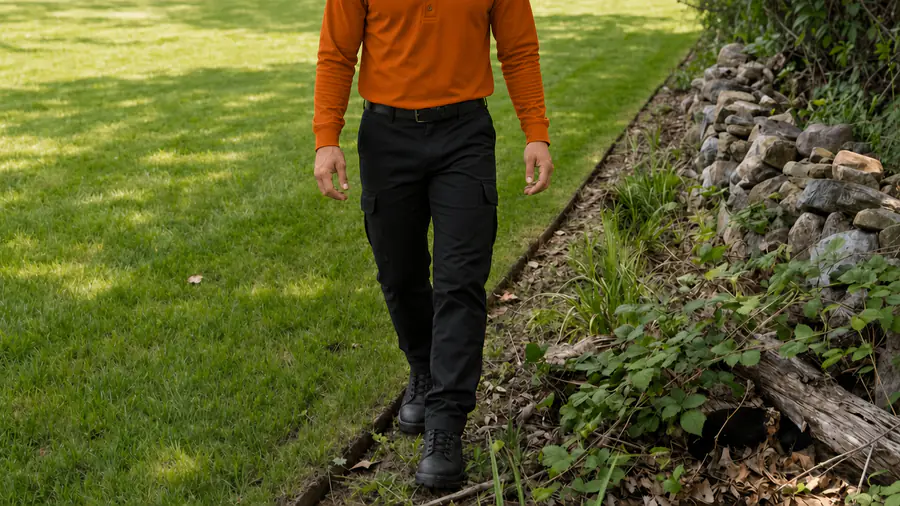
Map the edges
We walk the property and identify the questing zones: fence lines, the cedar and greenbelt border, shaded leaf litter, trail edges and the routes your dog uses.
 2
2
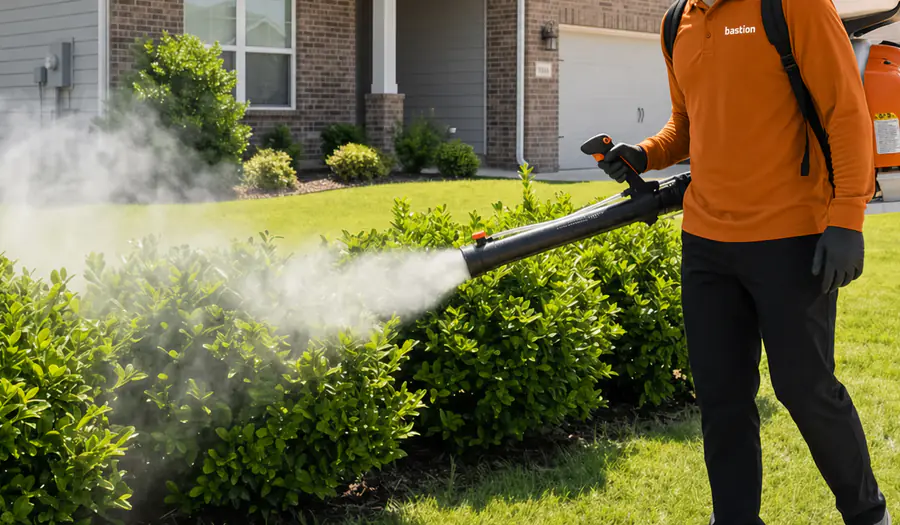
Treat those bands
A targeted application to the edge habitat and low vegetation where ticks sit waiting, plus the yard perimeter. That is where you actually pick them up.
 3
3
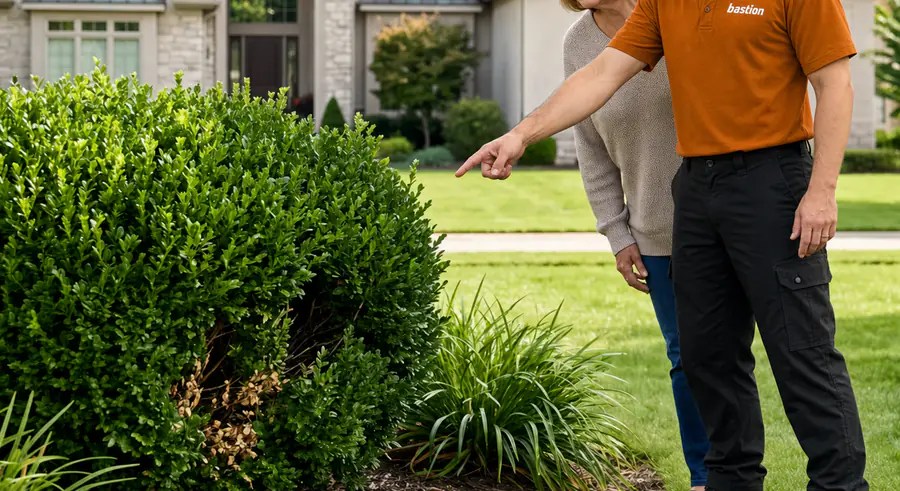
Reduce the habitat
We tell you what to change: cut back the brush line, clear leaf litter, keep grass short along fences, move woodpiles. Habitat reduction is what keeps pressure down between visits.
Seeing any of this around your West Lake Hills home?
Free quote, same-day service most days, and free re-treatments if they come back between visits.

Why West Lake Hills yards hold ticks.
A tick cannot get far on its own legs. It waits for a ride, and in West Lake Hills that ride is usually a deer. Deer walk the wooded lots and greenbelts here every day, cutting across backyards between Lake Austin and Barton Creek as they go. One deer can carry dozens of ticks, and each one that drops into your landscaping to lay eggs can start a population that has nothing to do with how tidy the yard is.
Shade does the rest. Old live oaks and cedar cover most of the city, and ticks dry out quickly in open sun, so a canopy that keeps the ground cool and damp is exactly what they need to get through a Texas summer. Native landscaping, fallen leaves and the brushy strip where a hillside lot meets the greenbelt give them that cover right at the edge of the yard.
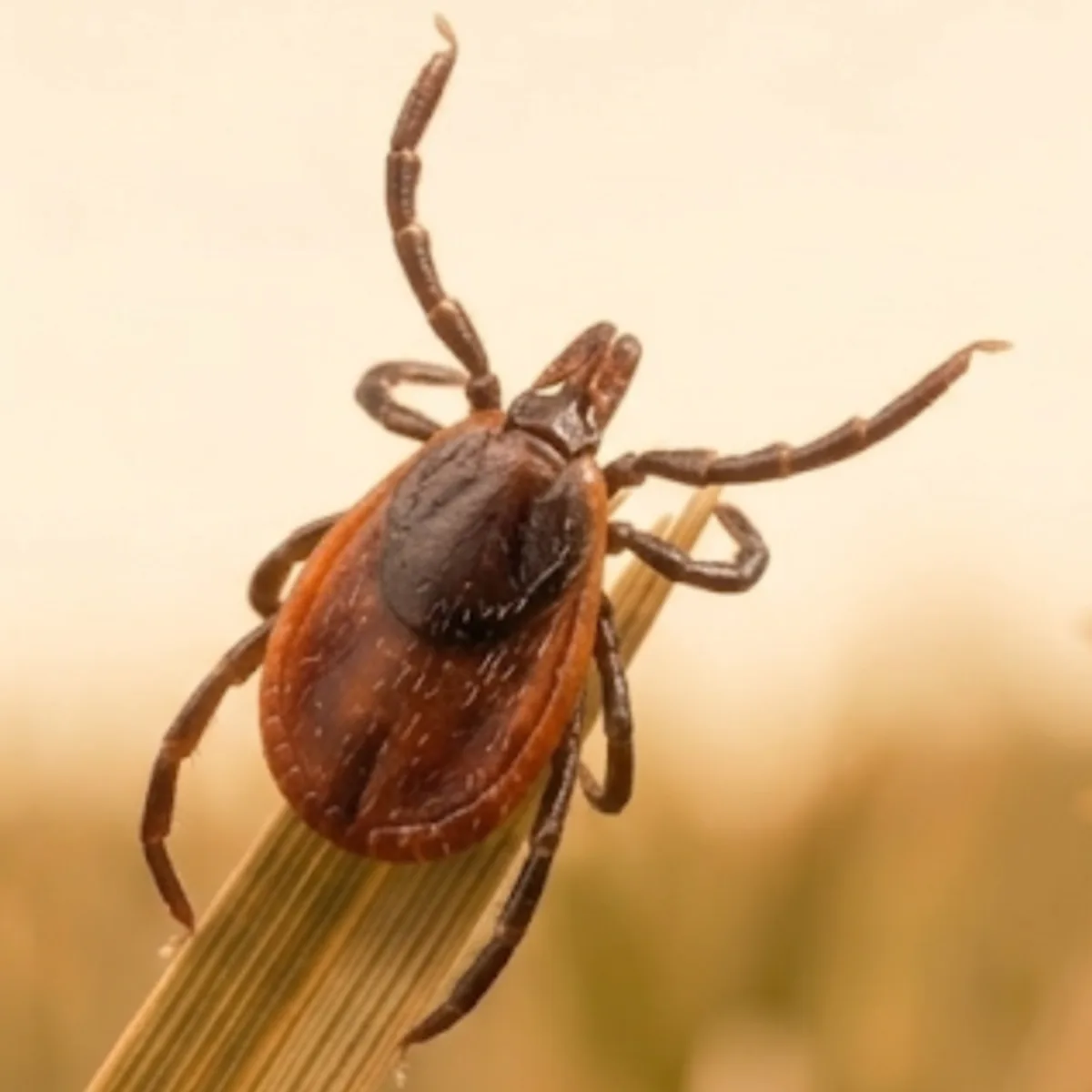
Ticks also hunt differently from most yard pests. They do not fly and they do not forage. They quest, climbing a grass blade or low twig and holding their front legs out until something warm brushes past. On a stepped hillside lot that puts the risk in a few narrow strips: the leaf litter along a retaining wall, the shaded path the dog takes, the brush at the fence and the greenbelt border. The sunny middle of the lawn is rarely the problem.
This matters for more than comfort. Ticks in Central Texas can spread spotted fever rickettsiosis, ehrlichiosis, tularemia and other illnesses (the CDC's overview of tickborne disease), and the lone star tick that rides in on deer is linked to alpha-gal syndrome, a lasting allergy to red meat. Dogs pick them up too. Good control means treating those edge strips and thinning the shady cover where ticks wait.
Daily deer
Deer cross the wooded lots and greenbelts every day and carry ticks into the yard with them.
Oak and cedar shade
Canopy over the ground keeps it cool and damp, which is what ticks need to last the summer.
Hillside yard edges
Where the lawn gives way to brush, rock and leaf litter is where ticks wait, and where treatment goes.
Greenbelt neighbors
Lots that back onto greenbelt have deer, and their ticks, just past the fence.
When do ticks peak in West Lake Hills?
The season opens sooner than most people think. Adults wake up in late winter and peak through spring, then a second wave of larvae and nymphs shows up in midsummer.
Adult ticks are questing and looking for a host. This is the window that matters most for people and dogs.
The new generation of larvae and nymphs comes through. Smaller, harder to spot, and easy to miss on a pet.
Ticks quest at the boundary between mown lawn and brush. That edge is where treatment earns its keep.
Where yard ticks end up on people and pets.
These photos come from real service calls across our routes. Most of the ticks in them were picked up by someone, or some dog, who never went past the shady edge of the yard.
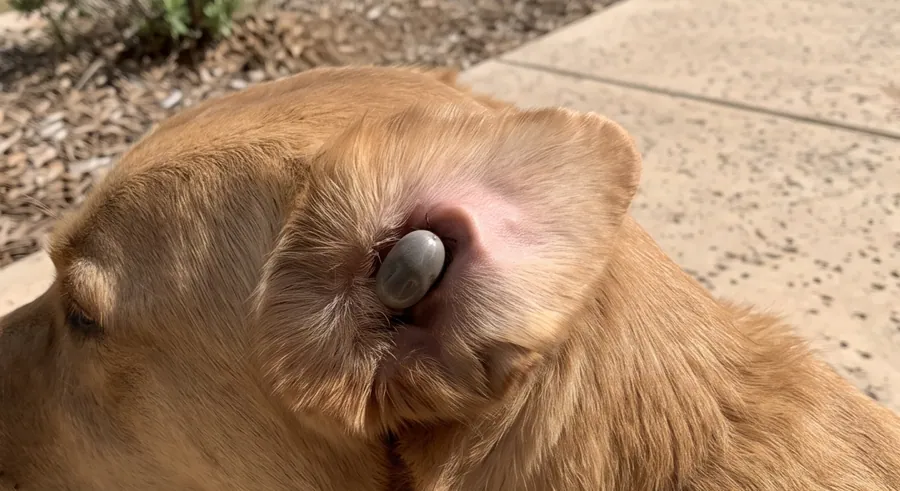
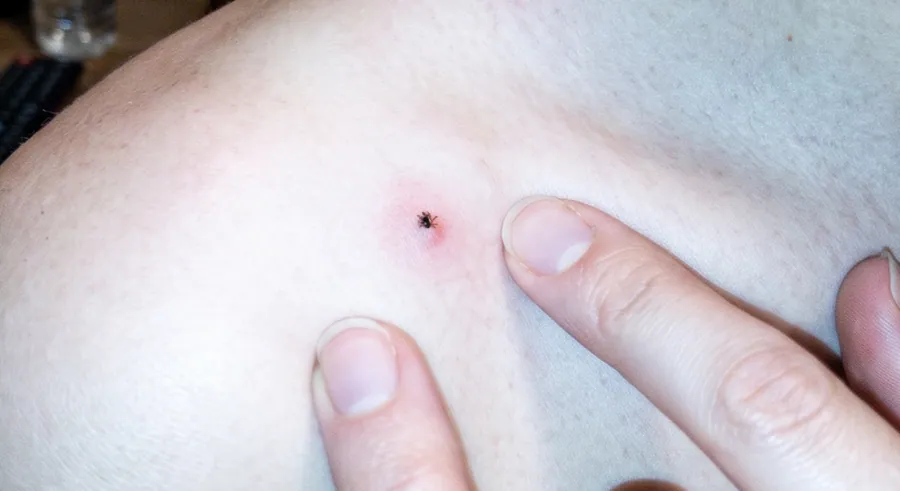
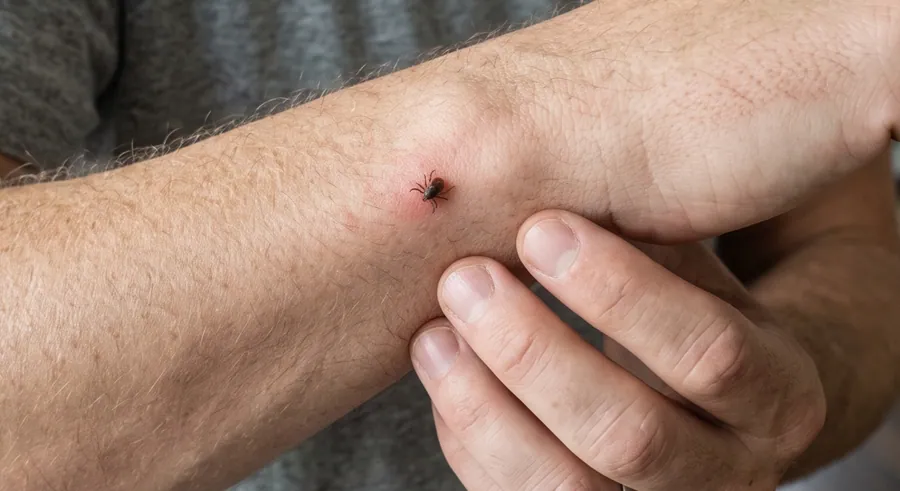
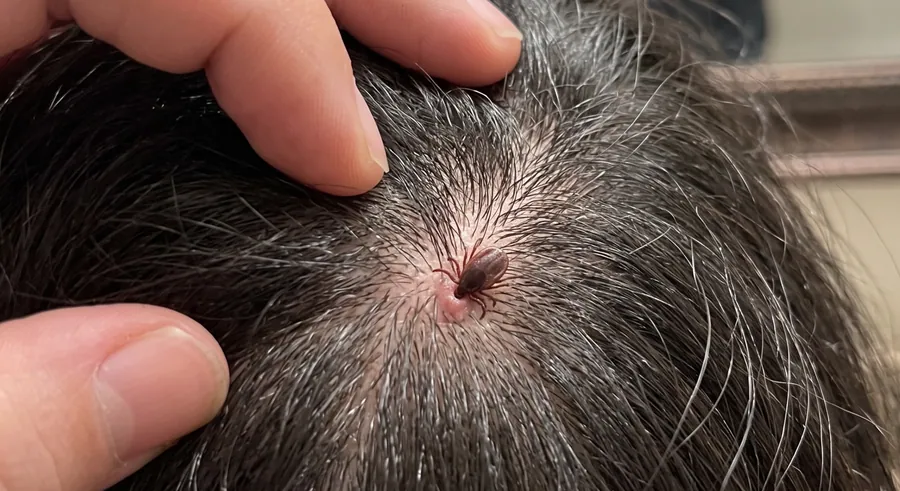
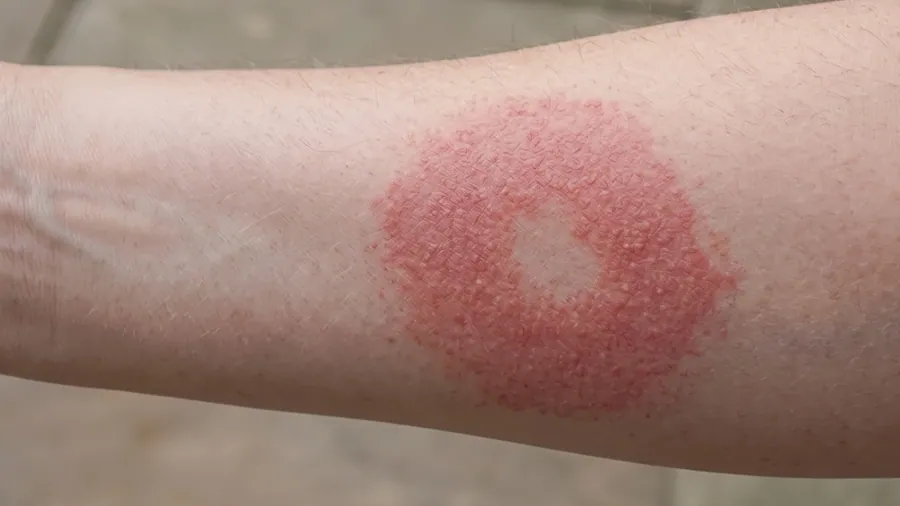
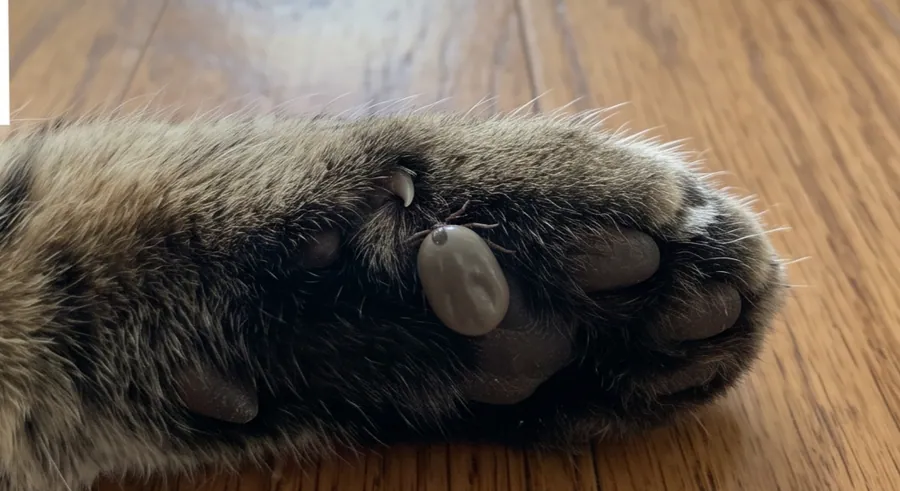
Ticks we turn up in West Lake Hills.
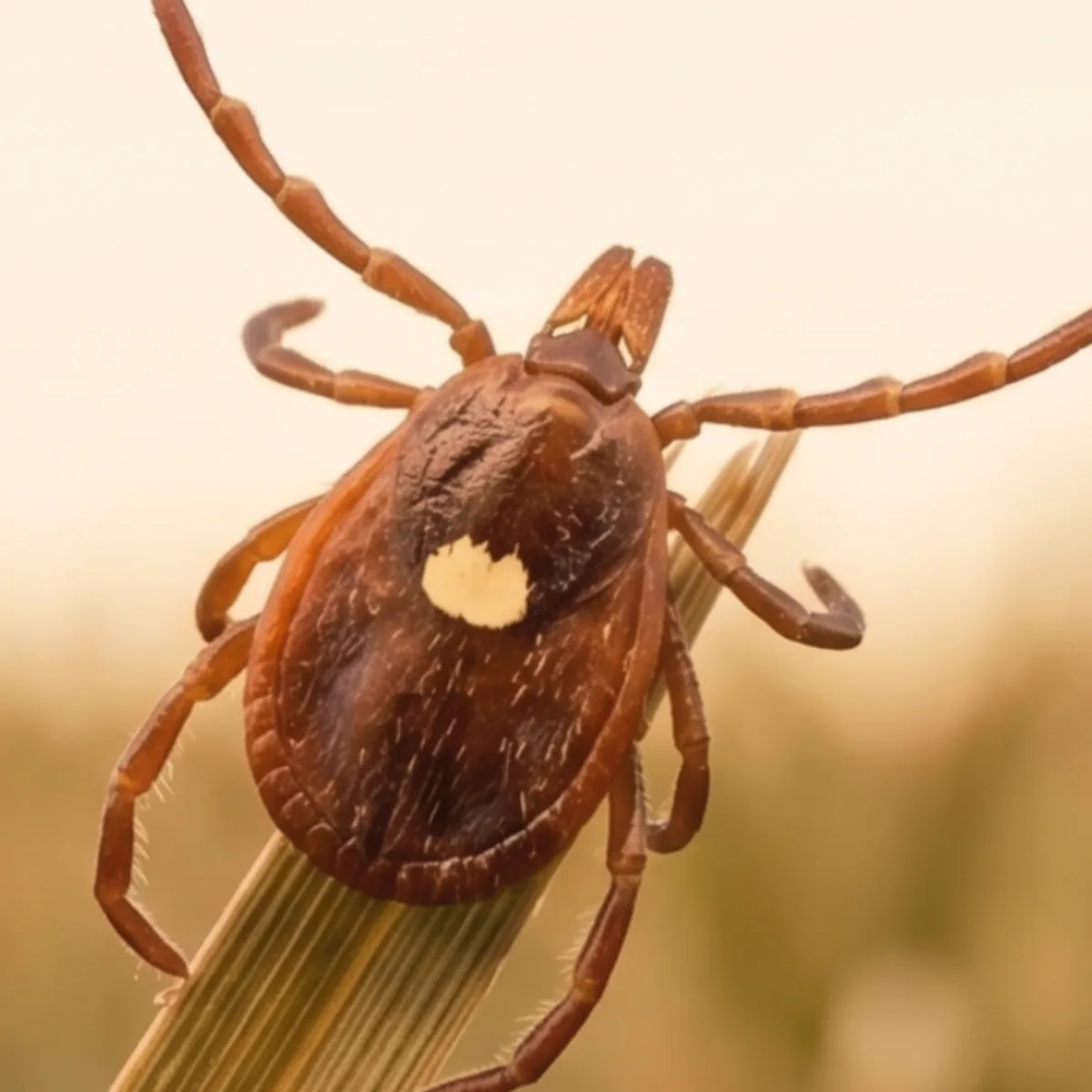
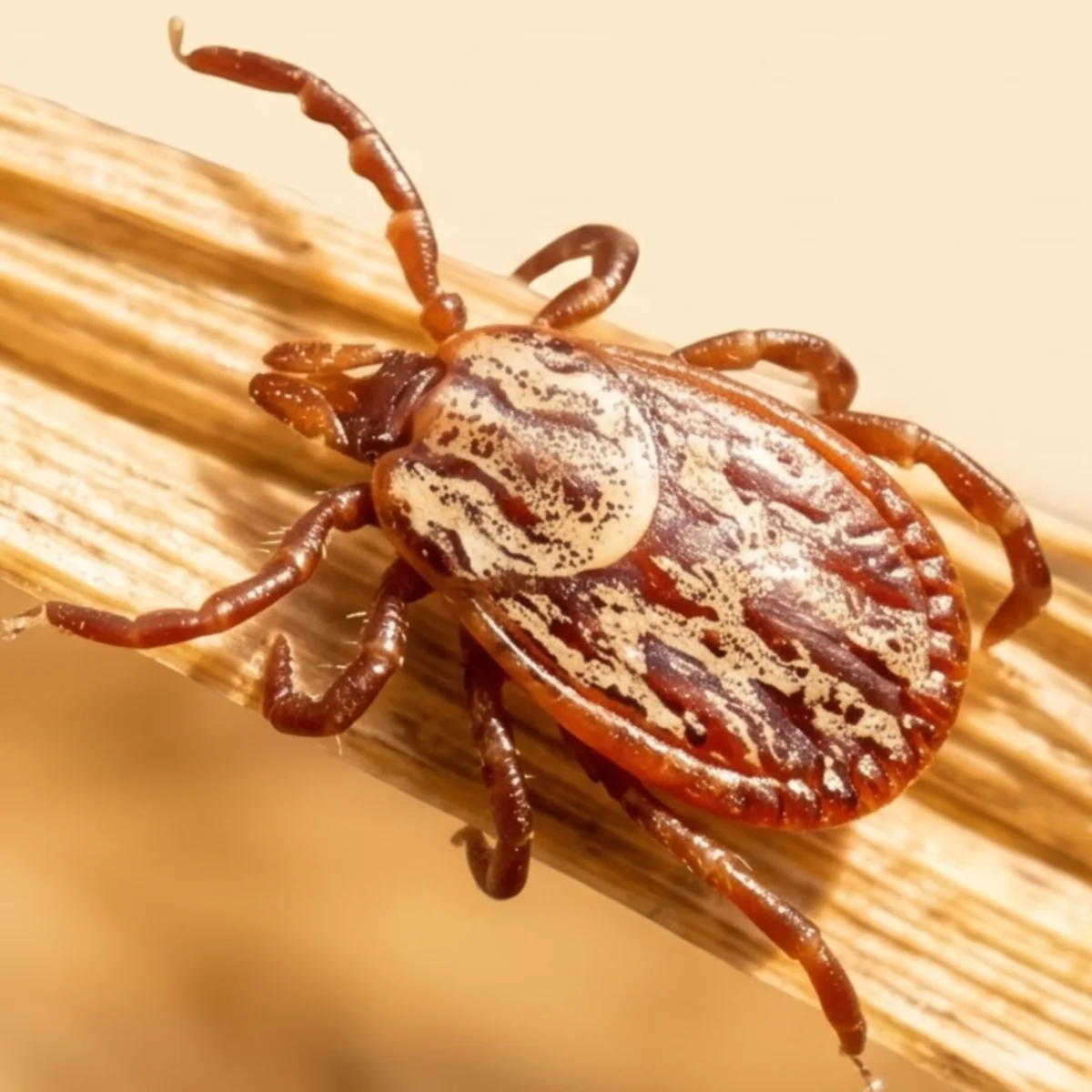
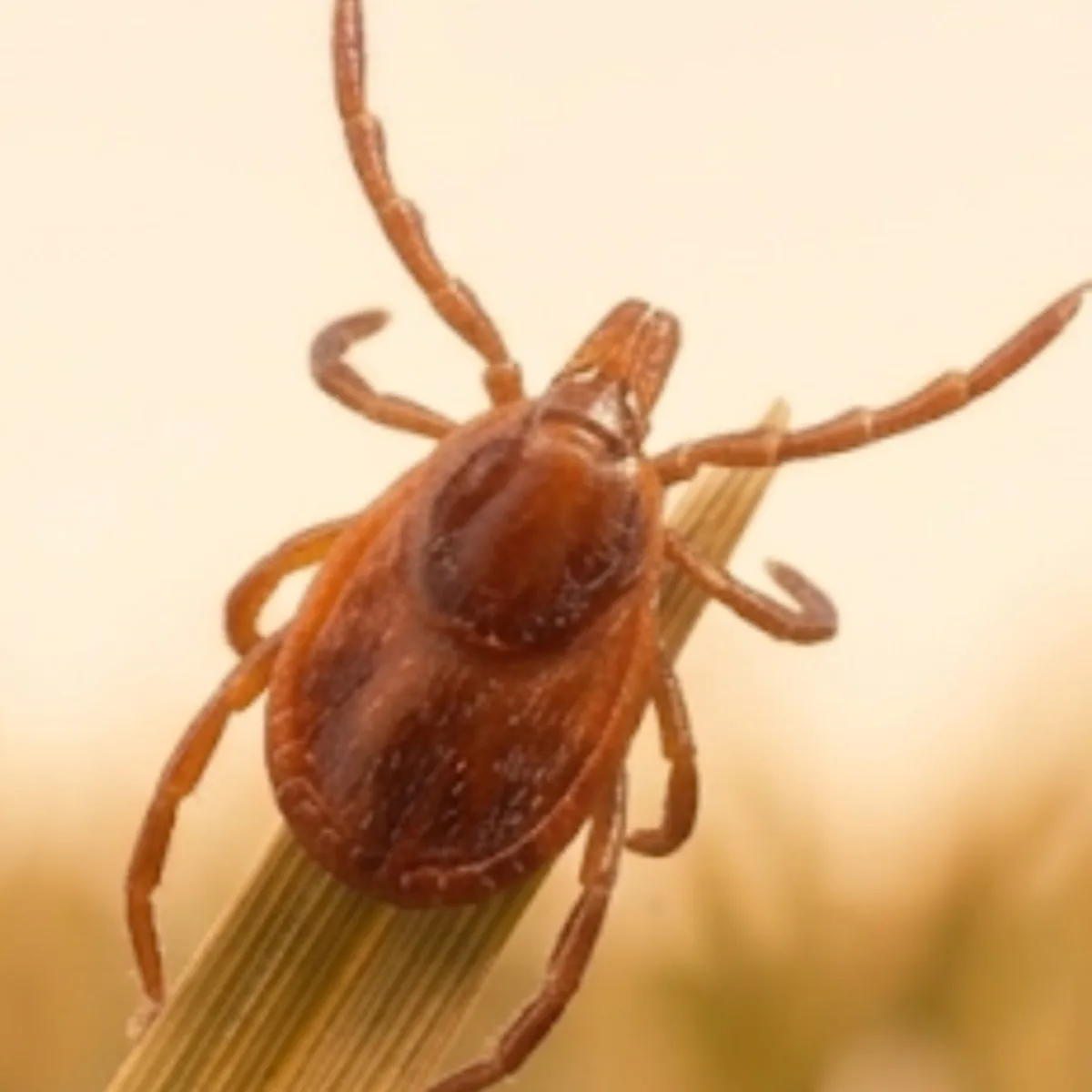
Which tick you meet in West Lake Hills mostly depends on what sits past your fence. Lots that back onto greenbelt or wooded slope see the ones deer carry out of the cedar. Even a dog that only walks the sidewalk can bring home the species that breeds indoors. Treatment changes with the species, so your technician identifies it on site before anything is applied.
A note on bites and stings. Reactions vary from person to person, and any bite or sting can cause a serious reaction in someone sensitive to it. Nothing here is medical advice. If you are bitten or stung and feel unwell, or the reaction spreads or does not settle, contact a doctor or Poison Control. If breathing or swallowing is affected, treat it as an emergency and call 911.
What tells us you have a yard population.
Pulling a tick off after a greenbelt walk is ordinary exposure. Finding them on a kid who never left the deck means they are living in the yard. When you call, describe what you are finding and where, and we can usually tell on the phone whether it needs a visit today or can ride the next scheduled route.
- Ticks on the dog when it only went out back
- Finds that follow yard work, not trail time
- Deer bedding down or crossing the yard most days
- Brush, leaf litter or tall grass along a fence line
- Bites after an evening on the patio or lawn
- A tick crawling on a wall or in the dog's bed indoors
- Hillside lot with a greenbelt edge, as in Davenport Ranch
- Leaf litter under oak and cedar shade against a rock retaining wall
Tick control across West Lake Hills and its neighbors.
How much tick pressure a lot sees comes down to shade, deer and what sits past the back fence. Davenport Ranch has greenbelt edges where deer and ticks move through, and the wooded lots of Lost Creek along Barton Creek stay in deep shade. Westlake Highlands and Rob Roy carry cedar, native rock and mature oaks on hillside and bluff lots. Rollingwood's big trees and the greenbelt around the Barton Creek golf-course homes round out the route.
Street not here? We very likely still cover it. See pest control in West Lake Hills or the full service area.
Your West Lake Hills tick questions, answered.
How much is tick control in West Lake Hills, TX?
It comes inside the General Pest + Rodent + Mosquito plan, from $166 a month for a single-family West Lake Hills home. One visit covers the flea and tick yard treatment along with general pest and rodent service. Big or heavily wooded lots cost more, and we quote them on site for free.
Why are there ticks in my yard if we never go hiking?
Deer deliver them. They walk the wooded lots and greenbelts every day, and one deer can carry dozens of ticks. Each tick that drops into your landscaping to lay eggs can seed a population right on your lot, and the oak and cedar shade keeps the ground damp enough for it to last.
Will you treat the entire lawn?
No. Open, sunny lawn is mostly wasted product because ticks dry out there. They wait at the edges instead: fence lines, the greenbelt border, shaded leaf litter and the paths people and pets use. We find those strips, treat them and the yard perimeter, and leave the rest alone.
Can kids and pets use the yard after a tick treatment?
Once it dries, yes. We work the edge habitat and low growth rather than the open play space, using pet and kid friendly products. Keep everyone off treated areas until they are dry, usually around 30 minutes, and your technician will flag any spot that needs longer. Keep your dog on its vet's tick preventive as well, because the yard treatment and the preventive do different jobs.
I found a tick on me. What now?
Take it off right away. Use fine-tipped tweezers, grip it as close to the skin as you can and pull straight up with steady pressure. Do not twist it, smother it or burn it. Wash the bite, watch it for a few days and see a doctor if a rash, fever or aches appear. Our part is the yard, so there are fewer ticks out there to find.
When does tick season start in West Lake Hills?
Ticks never fully stop here, since Central Texas winters are mild. Adults peak March through May, and a smaller wave of nymphs follows in July and August. Deer on the wooded lots and greenbelts keep bringing in new ones all year.
Should I worry about ticks if deer cross my lot every day?
Usually, yes. Deer walk the wooded lots and greenbelts across West Lake Hills daily, and adult lone star ticks ride along and drop off in the shady edges where the deer pause. Because lone star bites are linked to alpha-gal syndrome, the time to treat is before the March to May peak, not in the middle of it. We treat the strips the deer use and tell you which brush to cut back.
Do shady hillside lots near Barton Creek need treatment more than once?
Yes, which is why it runs as a recurring plan. Deep oak and cedar shade, like the wooded lots of Lost Creek and Westlake Highlands, holds the damp ground ticks need, and deer restock the edges all year. Each visit treats the strips where they wait again, and if they show up between visits on an active plan, the return trip is free.
West Lake Hills: everything else we handle





Tick control around West Lake Hills
Every city we serve gets the same tick treatment, the same crew and the same guarantee. Only the brush along the fence changes. Pick your city below, read the full tick control overview, or see the whole service area.
Answered 24 hours · West Lake Hills, TX
Take the yard back.
Same-day service most days in West Lake Hills, a free quote, and free re-treatments if ticks come back between visits.