Rodent control in West Lake Hills, TX.
Old live oaks lean over most West Lake Hills roofs, and roof rats use those limbs as a bridge to the soffit and the attic. Rodent control and monitoring is part of the recurring plan from $66 a month, with free re-treatments between visits. We trap inside and seal the way in.
Written by the Bastion Pest Control service team · Licensed & insured in Texas · Last updated
West Lake Hills rodent control at a glance
Something running across the ceiling at night, under a big oak, is usually a roof rat that came in off the branches. Here is what matters, briefly.
- Peak season
- October through February
- Cold fronts send roof rats down the oak limbs toward warm attics.
- Most common
- Roof rats & mice
- Rats come off the live oak limbs; mice slip in at garage doors and low gaps.
- Included in
- $66/mo plan*
- Monitoring and control are part of each recurring visit.
- Sealing
- Quoted separately
- Priced per home after a free inspection.
- Attics
- Traps, not poison
- No dead rodent left to rot inside a wall.
- Timeline
- 1 - 3 weeks
- Mice clear out quicker. Rats are warier of traps.
Prevention and a clean-out are two different jobs.
On the $66 a month plan, rodent control and monitoring are built in at no extra charge, and if they find a way back in between visits, the return trip costs nothing. Think of that plan as prevention. If you already hear movement over the bedroom, start with the clean-out from $449. Sealing is quoted per home after we inspect, and on a wooded West Lake Hills lot most of that work tends to sit up at the roofline, where the oak limbs meet the house.
See full pricing details →Starting rate for a single-family home in West Lake Hills. Year-round prevention that handles rodents along with ants, spiders, roaches, scorpions and wasps, plus free re-treatments between visits.
Most people who call us about rodents need the clean-out first. Once it is done, the monthly plan is what keeps them from coming back, and that is the order we recommend it in. Physical exclusion, the sealing that keeps the next one out, is quoted on top once we have seen what your house is doing. Not sure which one you need? Call and describe what you are hearing, and we will tell you straight.
* Starting price. Your exact number depends on home size, lot size and current pest pressure.
How we handle rodents in West Lake Hills homes.
Putting out bait and walking away only thins the numbers while the way in stays open. Our work runs in three steps, always in this order.
 1
1
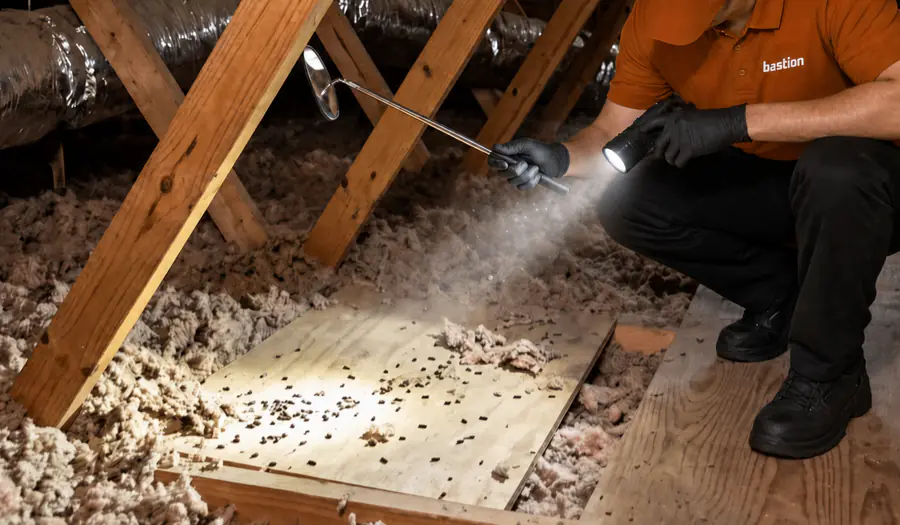
Inspect and identify
A full interior, attic and exterior inspection to confirm species, map travel routes, and find every entry point. What we find decides the plan and the quote.
 2
2
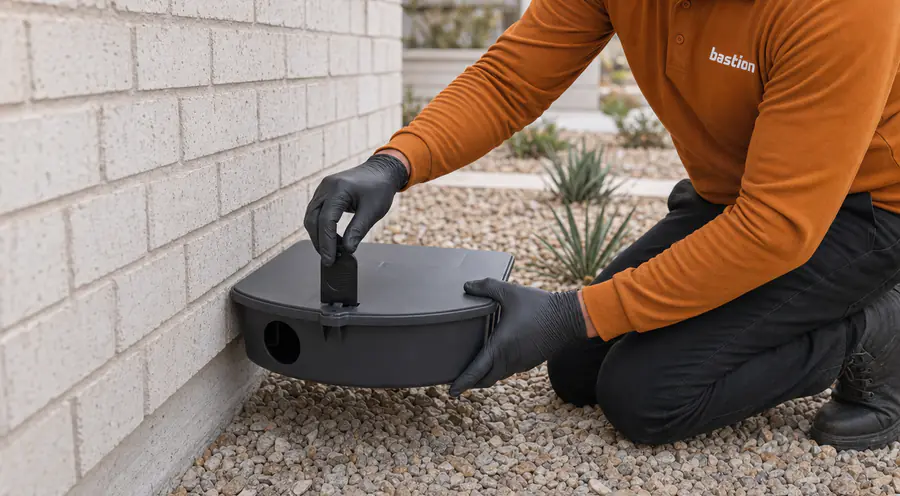
Trap and remove
We trap in living and attic space rather than poisoning there, so nothing dies behind your drywall. Exterior tamper-resistant stations handle the pressure from outside.
 3
3
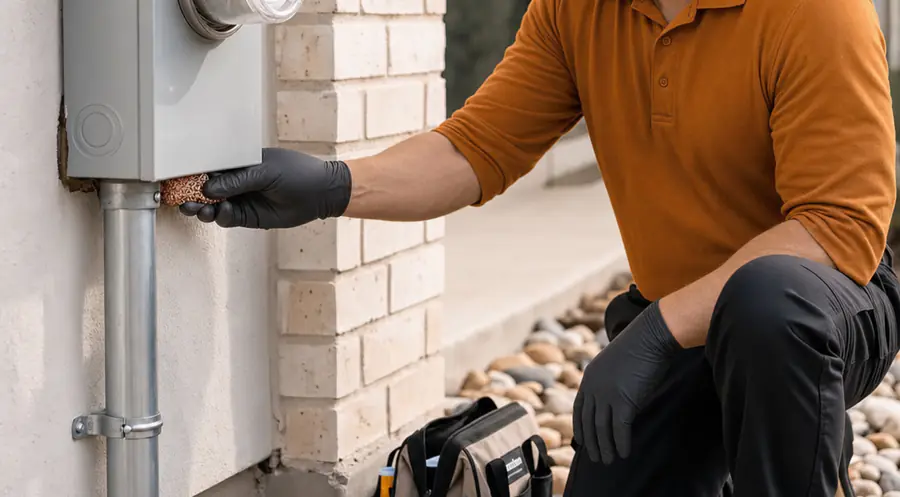
Seal them out
Exclusion is the part that lasts. We seal soffit gaps, weep holes, line-set penetrations, garage-door corners and roof junctions with steel and hardware cloth rodents cannot chew through. Pest Prevention by Design guidelines (Texas A&M AgriLife, PDF)
Hearing this over your ceiling in West Lake Hills?
Free quote, same-day service most days, and free re-treatments if they come back between visits.

Why roof rats find their way into West Lake Hills attics.
In West Lake Hills, the rodent story starts in the trees. Old live oaks and cedar shade nearly the whole city, and on lot after lot the limbs reach out over the roof. To a roof rat, that is a road. It climbs the trunk, walks the branch, drops onto the shingles and starts hunting for a way in at the roofline, all without ever touching the ground.
Roof rats are built for that trip. They are agile climbers that would rather nest high than low, so once they are up top they work the soffit, the gable vents and the seams where two roof planes meet. A young rat fits through a gap about the size of a quarter, and a house mouse needs one closer to a dime. That is why people hear them overhead after dark and never find a thing in the kitchen.
Hillside living adds to it. Homes here step down wooded slopes between Lake Austin and Barton Creek, with rock walls and native landscaping on almost every lot, so rodents have cover close to the house nearly everywhere. Branches and utility lines finish the job. Pressure runs highest from November through January, when the first cold nights send rats looking for the warmest spot around, and an attic is exactly that.
The damage is what makes rodents expensive. A rat gnawing insulated wire in the attic is a genuine fire risk. Torn ductwork means you are cooling the space above the ceiling, and the summer electric bill will show it. Insulation that has been flattened and soaked with urine and droppings stops doing its job right over the bedrooms, and the rats bring fleas and mites along with them. So we treat rodent work as a repair, not just trapping. Leave the gaps open and the next rat is already on the branch.
Oaks over the roof
Live oak and cedar limbs give roof rats a path from the trunk to the shingles.
Roofline gaps
Soffits, gable vents and roof junctions are where they get in once they land.
Winter push
Pressure peaks November through January, when an attic is the warmest place around.
Costly damage
Gnawed wiring, torn ducts and fouled insulation add up fast over the bedrooms.
When rodents move into West Lake Hills homes.
Rodents run on a backwards calendar. Summer stays quiet. Then the first cold fronts arrive, and in West Lake Hills the warm place they head for is usually an attic they can reach from an oak limb.
It starts on the first genuine cold snap. A gap breathing warm air is exactly the beacon they follow.
Food and cover outside means no reason to come in. Do not mistake a quiet summer for a sealed building.
A mouse needs a dime-sized hole, a roof rat a quarter. Trap without sealing and the vacancy fills again.
Mouse or rat? What the photos show.
These are our own photos from rodent jobs on our Central Texas routes. Knowing rat from mouse matters, since each one needs a different trap and a different size of gap closed.
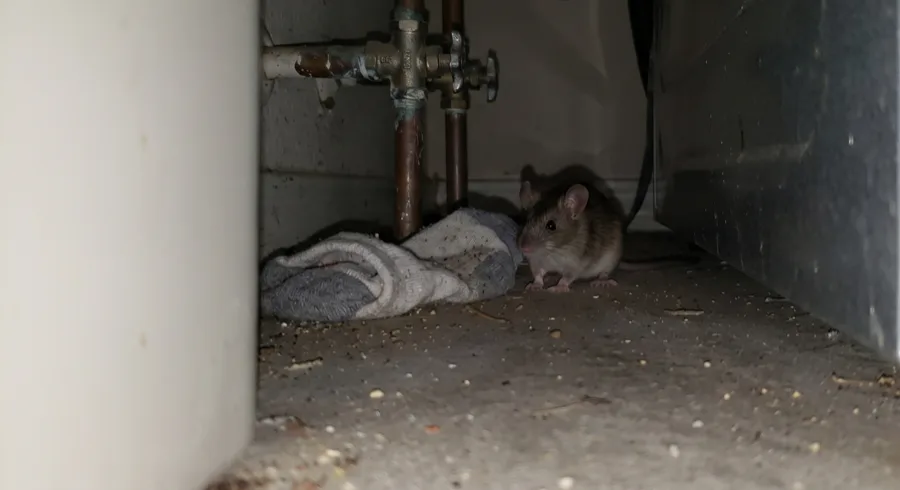
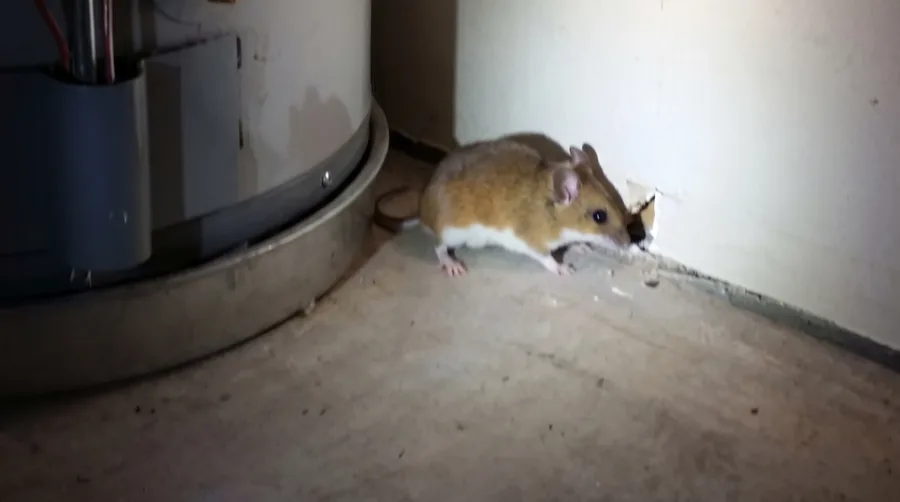
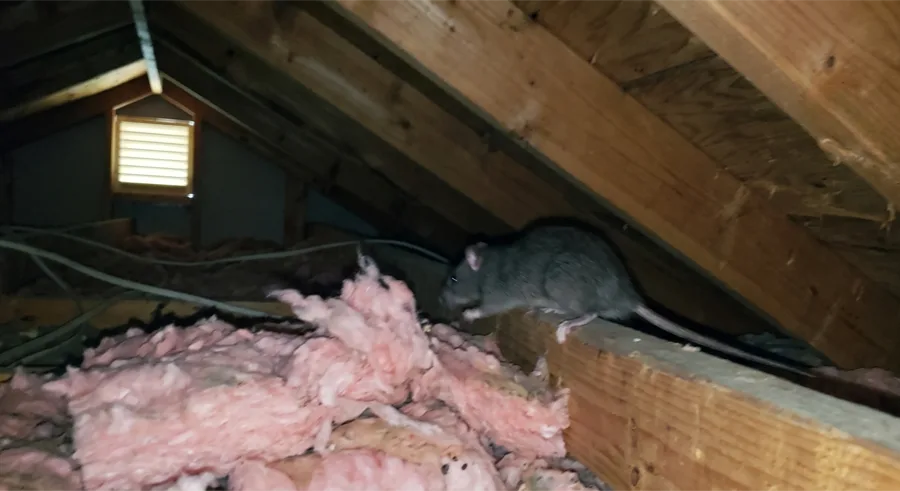
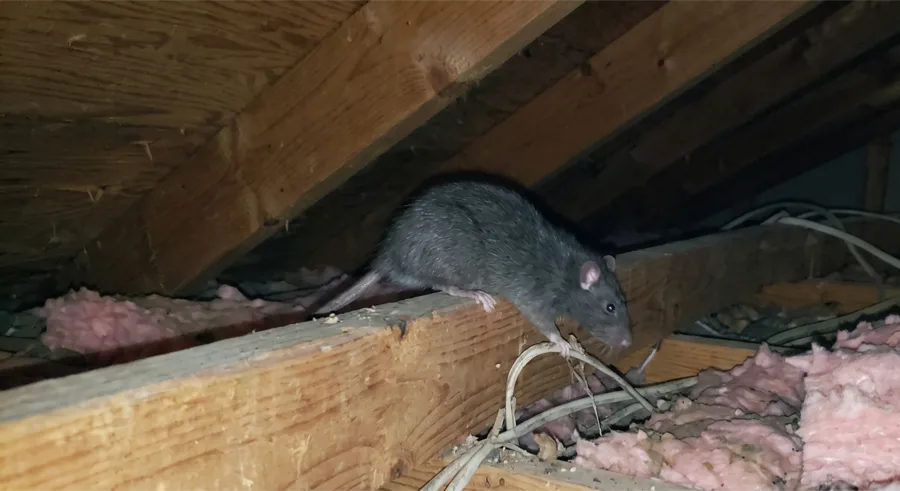
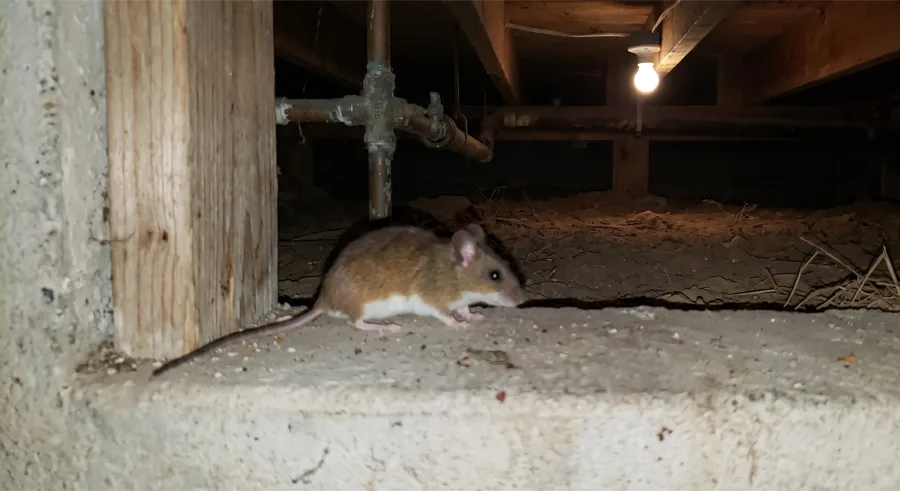
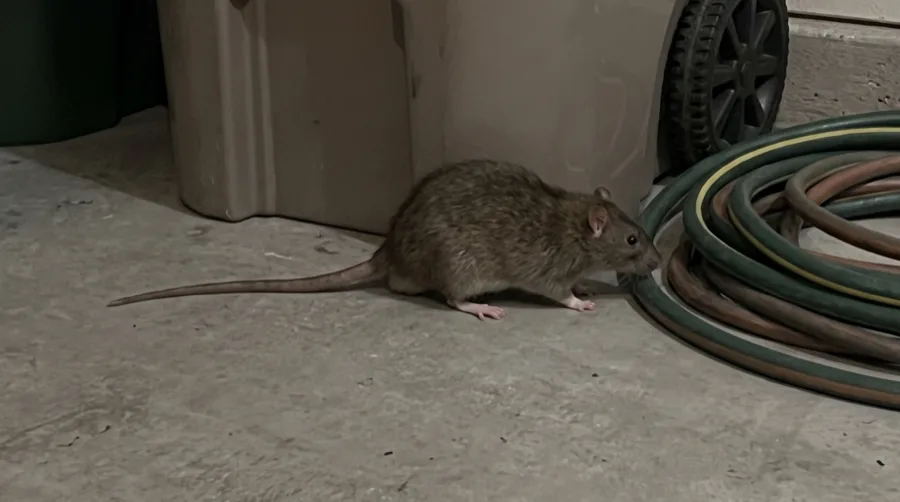
Every photo here comes from our own service calls in Central Texas. Do not sweep or vacuum droppings while they are dry. Text a picture to 843-480-8699 and we will identify it.
What is actually in your attic.
In West Lake Hills the rodent list starts in the canopy. Roof rats travel the live oak and cedar limbs and settle in attics and soffits. House mice come in low, through garage door corners and small gaps. Woodrats and deer mice are animals of brush and wild edges. Your technician confirms which one you have before setting a single trap, because the setup that catches a mouse in a pantry will not stop a rat in the attic.




A note on bites and stings. Reactions vary from person to person, and any bite or sting can cause a serious reaction in someone sensitive to it. Nothing here is medical advice. If you are bitten or stung and feel unwell, or the reaction spreads or does not settle, contact a doctor or Poison Control. If breathing or swallowing is affected, treat it as an emergency and call 911.
The signs homeowners notice first.
In West Lake Hills the first clue is usually a sound: quick, light steps across the ceiling after dark. Call and describe it, and tell us where it is loudest. If that spot sits under an oak limb, it says a lot. Most of the time we can tell over the phone whether it needs a same-day visit or a regular slot, and whether it sounds like a rat or a mouse.
- Scampering or scratching above the ceiling after dark
- Dark droppings the size of a rice grain by walls or in cabinets
- Chew marks on baseboards, wires or boxes in storage
- Torn-up insulation, paper or fabric pulled into a nest
- A musky, ammonia smell that does not go away
- Greasy smudges along walls, beams and pipe runs
- Rats running the live oak limbs that reach over your roof
- Winter scratching at the roofline right under an overhanging oak
Rodent control in every corner of West Lake Hills.
The trees tell you where the rats go. Westlake Highlands has wooded hillside lots with mature oaks over the roofs, and Lost Creek sits in deep shade along Barton Creek, which is exactly the canopy roof rats travel. Rob Roy pairs large bluff lots with native rock and cedar, Davenport Ranch runs along greenbelt edges off Loop 360, Rollingwood has big trees and established yards, and Barton Creek has golf-course homes beside greenbelt west of Loop 360. Whichever one you live in, the same crew from our 78746 route answers the call.
Your street not here? We very likely cover it. See pest control in West Lake Hills or our full service area.
West Lake Hills rodent questions, answered.
What does rodent control cost in West Lake Hills, TX?
Clearing out an active rat or mouse problem is its own job, starting at $449. Ongoing control and monitoring is part of the general pest plan, from $66 a month for a single-family home. Sealing work is quoted on its own after inspection. On a wooded West Lake Hills lot, much of it tends to be up high: soffits, gable vents and the roof junctions closest to the trees.
Can rats get into a house that looks sealed?
Yes, through gaps most people never see from the yard. Roof rats arrive from above, so they test soffit seams, gable vents and the joints where roof planes meet. Mice come in low, around AC line sets, dryer vents and garage door corners. A mouse fits through a dime-sized hole and a young rat through one about the size of a quarter, so a tidy house can still have plenty of openings.
Do you seal the gaps, or only set traps?
We do both, and the sealing is what actually finishes the job. Traps without exclusion buy a few quiet weeks until the next rodent finds the same hole. Trapping handles this week. Sealing handles next winter.
Will there be poison in my attic?
No. Inside the attic and living space we trap instead of baiting, so nothing crawls into a wall to die. Any bait goes outdoors in locked, tamper-resistant stations, close to where the pressure is coming from.
Something keeps chewing the wiring in my car. What is it?
Most likely a woodrat, also called a pack rat. They are native to Hill Country brush and cedar, and they are known for building nests in engine bays and gnawing wiring harnesses on cars, boats, mowers and anything else parked near cover. We trap them, treat the harborage around the spot, and tell you what to move away from the brush.
How long until the rats or mice are gone?
Usually one to three weeks. Mice are quicker because new objects do not make them nervous. Rats are trap-shy and can need an extra week or two before they commit. The number of open entry points shapes the timeline far more than the number of rodents inside.
Why do roof rats end up in West Lake Hills attics?
Because the trees hand them the roof. Old live oaks and cedar shade most of the city, and their limbs often stretch out over the house. Roof rats are climbers: they run the branch, drop onto the shingles and look for a gap at the soffit, a gable vent or a roof junction. Pressure is highest November through January, so fall is the time to get the roofline sealed.
Should I trim the oak limbs over my roof in West Lake Hills?
Trimming helps. A limb resting on or hanging over the shingles is a bridge, and cutting it back takes away the easiest route up. It is not the whole fix, though. Roof rats also travel utility lines, so the soffit gaps and vents still need to be sealed and anything already inside still needs to be trapped. During the inspection we will point out which limbs matter most.





Rodent control around West Lake Hills
Every city we serve gets rodent work from the same crew under the same guarantee, just with different gaps to close. Pick your city below, read the complete rodent control overview, or see our whole service area.
Answered 24 hours · West Lake Hills, TX
Get them out. Keep them out.
Free inspection and quote, same-day service most days in West Lake Hills, and sealing work that shuts the way back in.