Rodent control in Hutto, TX.
Cotton fields become cul-de-sacs fast in Hutto, and the field mice that lived there move into the nearest garage. The recurring plan from $66 a month covers rodent control and monitoring, with free re-treatments between visits. We trap the ones already in, then close the builder gaps that admitted them.
Written by the Bastion Pest Control service team · Licensed & insured in Texas · Last updated
Hutto rodent control in six cards
Most of Hutto was a field ten years ago, and some of it was a field last spring. That is the whole rodent story, and here is the short form.
- Peak season
- October through February
- First freeze and fresh grading both send prairie mice into Hutto garages.
- Most common
- Roof rats & mice
- Mice off the old row-crop land, rats along Brushy Creek.
- Included in
- $66/mo plan*
- Control and monitoring on every visit.
- Sealing
- Quoted separately
- Priced per house. Inspection is free.
- Attics
- Traps, not poison
- Nothing dies inside your walls.
- Timeline
- 1 - 3 weeks
- Mice go faster than rats.
Prevention and a clean-out are two different jobs.
Two numbers matter. The recurring plan, from $66 a month, includes rodent control and monitoring on every visit at no extra charge, with free re-treatments if something shows up in between. The clean-out, from $449, is for a house that already has mice in it, and it goes first. Exclusion is quoted per house, and on a three-year-old Emory Farms build that is a short list of sharp gaps.
See full pricing details →Starting rate for a single-family home in Hutto. Ongoing prevention that covers rodents alongside ants, spiders, roaches, scorpions and wasps, with free re-treatments between visits.
Most people who call us about rodents need the clean-out first. Once it is done, the monthly plan is what keeps them from coming back, and that is the order we recommend it in. Physical exclusion, the sealing that keeps the next one out, is quoted on top once we have seen what your house is doing. Not sure which one you need? Call and describe what you are hearing, and we will tell you straight.
* Starting price. Your exact number depends on home size, lot size and current pest pressure.
How we solve rodent problems in Hutto.
Bait alone is not rodent control. It is a short-term dip with the door still open. Three things, in order.
 1
1
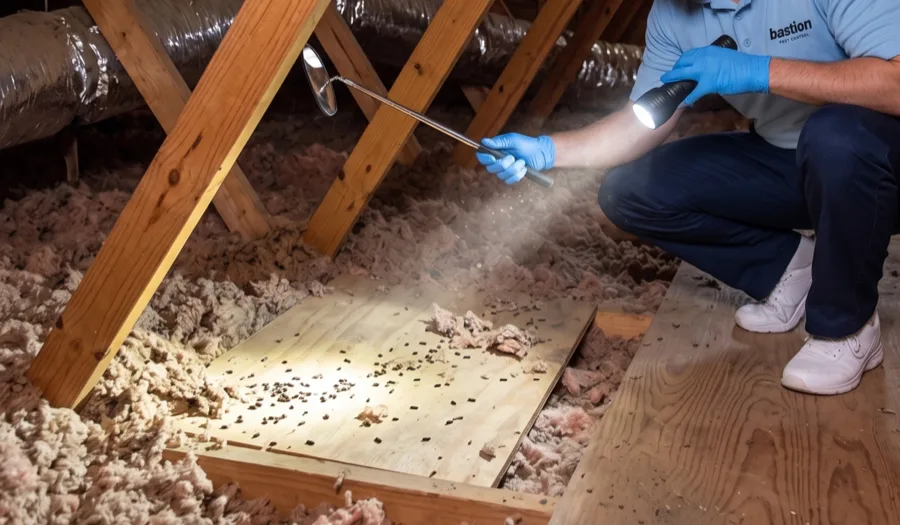
Inspect and identify
A full interior, attic and exterior inspection to confirm the species, map their routes, and find every entry point. What we find sets both the plan and the quote.
 2
2
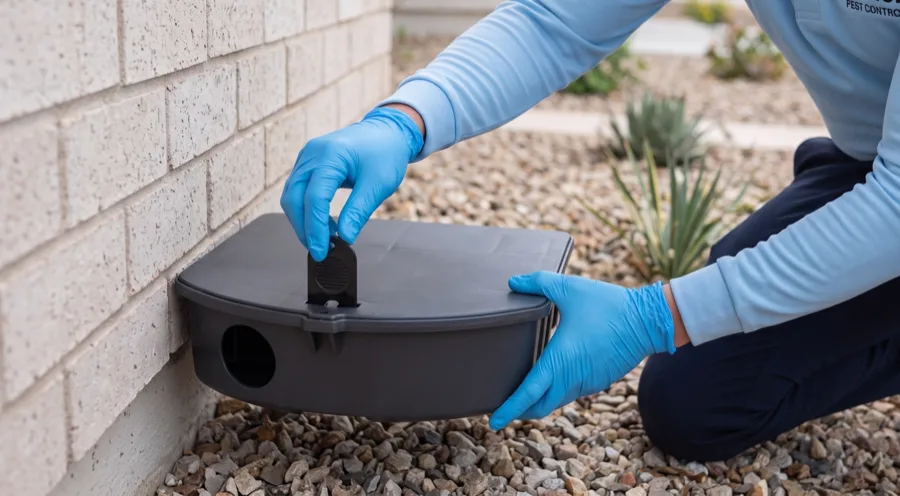
Trap and remove
We trap inside the living space and attic instead of poisoning there, so nothing dies inside a wall. Tamper-resistant stations outside deal with the pressure pushing in.
 3
3
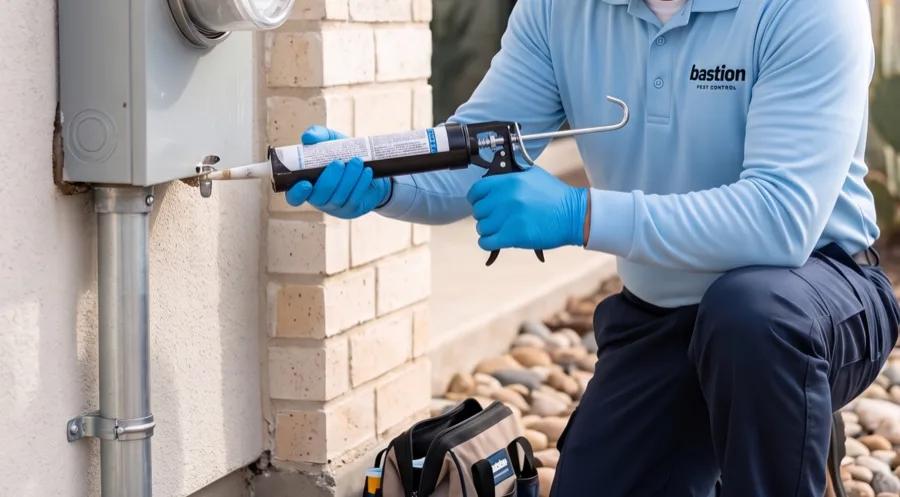
Seal them out
Exclusion is the part that lasts. We seal soffit gaps, weep holes, line-set penetrations, garage-door corners and roof junctions with steel and hardware cloth. We seal soffit gaps, weep holes, line-set penetrations, garage-door corners and roof junctions with steel and hardware cloth rodents cannot chew through. Pest Prevention by Design guidelines (Texas A&M AgriLife, PDF)
Recognize any of these in your Hutto home?
Free quote, same-day service most days, and free re-treatments if they come back between visits.

Why rodents get into homes in Hutto.
Hutto has one of the clearest rodent stories in the metro, and it is about farmland. This was cotton and row-crop country, and when a new section breaks ground in Emory Farms, Carmel Creek or Mager Meadows, the field mice living on that land move into the nearest structures. That is why so many of our Hutto rodent jobs are in houses only two or three years old. New builds are not sealed builds either: soffit-to-brick seams, line-set penetrations and garage-door corners are all a mouse needs, and it only needs a dime-sized gap.
Hutto sits out on open blackland prairie, and that soil drives nearly everything. Blackland clay does not drain. It holds water, then cracks open wide in summer heat. Water that would disappear into sandy ground in a day sits for a week here in low spots and ruts, and the summer fissures give ground-dwelling pests a route straight to the base of your house. It is the opposite of the limestone problem on the west side of the metro, and it calls for a different approach.
Rodents are the one pest where the damage costs more than the creepiness. A rat chewing insulated wire in your attic is a real fire risk. Chewed AC ductwork means you are paying to air condition the space above your ceiling, which your August electric bill will mention. Flattened insulation stops insulating, and urine and droppings soak the attic directly over your bedrooms. They bring fleas and mites along as houseguests, too. So we treat rodent work like a repair job, not a body count. Trapping without sealing is bailing out a boat and never looking for the hole: satisfying for a while, and you are still going to get wet.
Blackland clay
Holds water instead of draining it, then cracks open in summer heat.
Former farmland
New sections displace field mice and insects directly into nearby homes.
Very new housing
Builder gaps: soffit seams, line sets, garage corners, are the main entry points.
Brushy Creek & ponds
The creek corridor and subdivision detention ponds hold standing water for days.
When do rodents get into Hutto homes?
Rodent pressure in Hutto peaks when everything else is winding down. Through summer they stay outside with plenty to eat. Come the first proper cold snap, your roofline starts looking like an opportunity.
First proper cold front and it begins. Warm air seeping out of a gap is all the signal a rat needs.
There is food and shelter outdoors, so your attic is not worth the risk yet. Quiet is not the same as secure.
Dime for a mouse, quarter for a roof rat. Seal the gaps or you are just making room for the replacement.
Rat or mouse? What we find in Hutto homes.
These came off actual Hutto service calls. Rat or mouse is the first call we make on site, because it decides everything that follows.
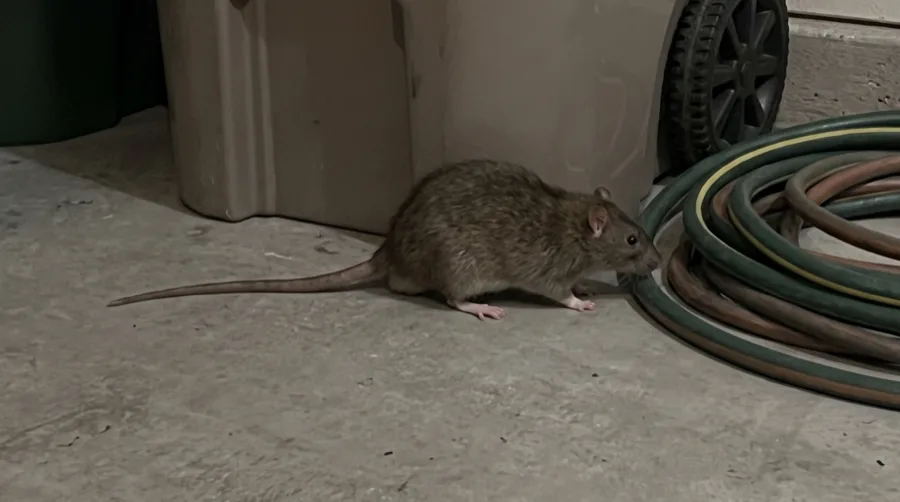
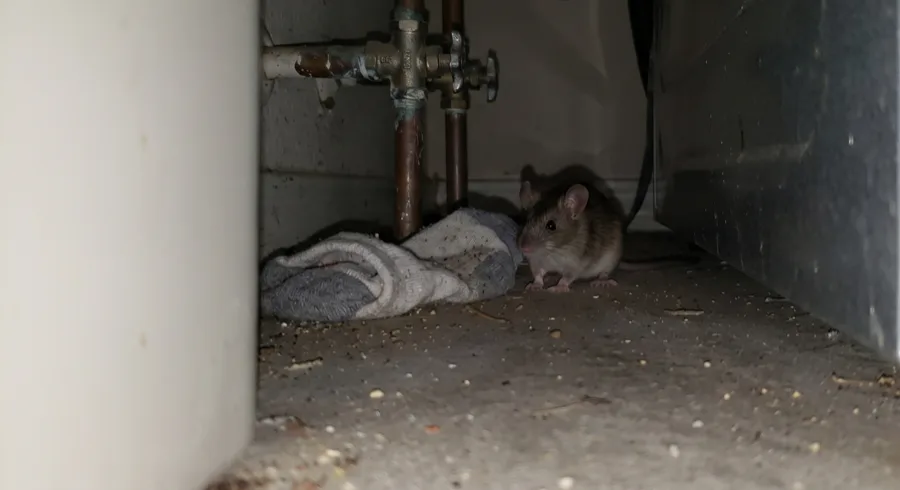
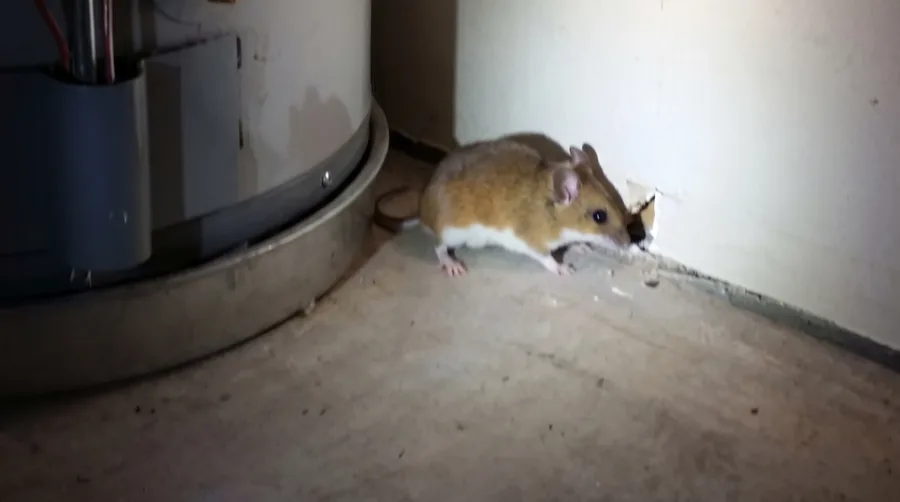
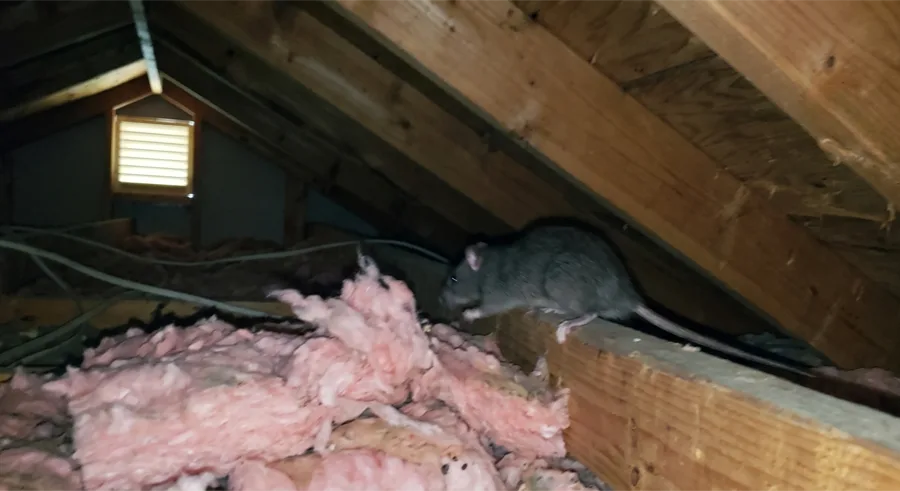
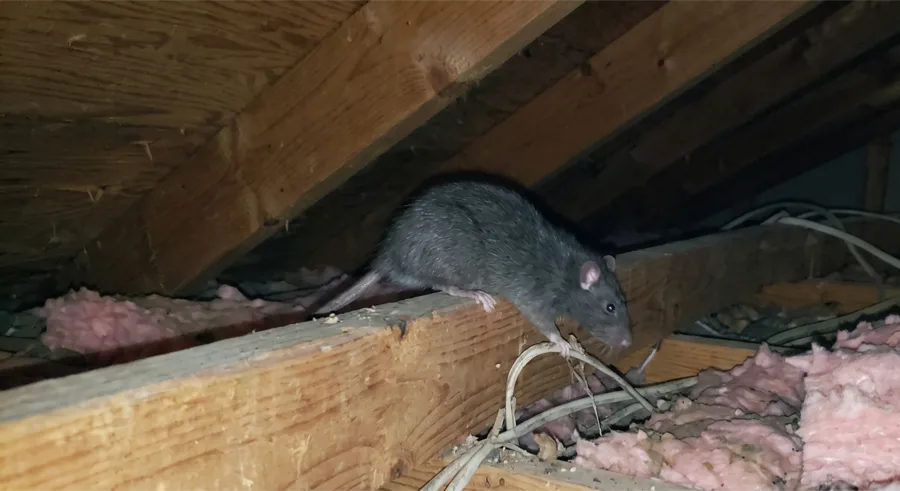
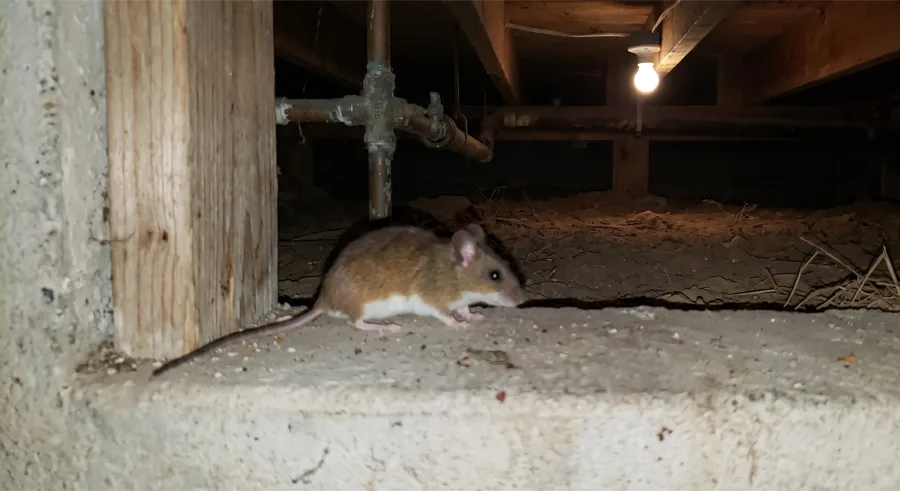
Photographs from real Hutto visits. Do not sweep or vacuum droppings dry. Send a photo to 843-480-8699 and we will identify it for you.
What is actually in your attic.
Hutto's rodent mix is a prairie mix. House mice and deer mice come off the old cotton ground when a new section is graded, and they are the bulk of what we trap here. Roof rats show up along Brushy Creek where there is enough canopy to travel. Norway rats burrow near the detention ponds. Your technician confirms the species on site first, because a mouse and a rat need different traps, different bait placement and a different sealing list.




A note on bites and stings. Reactions vary from person to person, and any bite or sting can cause a serious reaction in someone sensitive to it. Nothing here is medical advice. If you are bitten or stung and feel unwell, or the reaction spreads or does not settle, contact a doctor or Poison Control. If breathing or swallowing is affected, treat it as an emergency and call 911.
The signs homeowners notice first.
In a new Hutto house the first sign is often droppings in the garage cabinets, because that is where the builder gap at the door corner leads. Describe what you found when you call, and where. Most of the time we can tell you over the phone whether it is a same-day situation or a routine appointment, and we will not dress it up either way.
- Scratching or scurrying overhead at night
- Dark, rice-grain droppings along walls or in cabinets
- Gnaw marks on baseboards, wiring or stored boxes
- Shredded insulation, paper or fabric used as nesting
- A persistent musky, ammonia-like smell
- Greasy rub marks along walls and pipe runs
- Droppings in garage cabinets of a house under three years old
- Mouse trails through summer cracks in the clay beside the slab
Hutto rodent control by neighborhood.
Calls for a rodent exterminator in Hutto tend to start the same way: a house two or three years old, a field behind it, and droppings in the garage. Emory Farms, Carmel Creek and Mager Meadows are the current hot spots because that is where the grading is. Older streets near Cottonwood Creek and the Park at Brushy Creek see more roof rats thanks to the creek canopy. Either way the route runs through Hutto every week.
Not listed? We almost certainly cover it, see pest control in Hutto or the full service area.
Straight answers on rodents in Hutto.
How much does rodent control cost in Hutto, TX?
An active mouse or rat infestation is a separate clean-out job starting at $449. Recurring rodent control and monitoring is included in the general pest plan from $66 a month for a single-family home. Exclusion, the sealing work, is quoted on its own. Out here where neighborhoods sit against open prairie, there is usually a bit more of it than people expect.
How did rodents get into a brand new house?
New construction is one of the most common rodent calls we get, for two reasons. First, new sections displace field mice from the land the neighborhood was built on. Second, builders routinely leave gaps where brick meets soffit, around AC line sets and dryer vents, and at garage door corners. A mouse needs a dime-sized hole, so a new home is not a sealed home.
Do you seal the entry points or just set traps?
Both, and the sealing is the half that actually finishes it. Trapping on its own quiets things for a few weeks, then the next one walks in the same way. Traps handle the current occupants. Exclusion handles the waiting list.
Will you put poison in my attic?
No. We trap in attics and living spaces rather than baiting there, so nothing dies inside a wall where you would have to go find it. Exterior bait stays in locked, tamper-resistant stations outside, which is where the pressure is coming from.
How long does it take to get rid of rats or mice?
Most Hutto homes are quiet within one to three weeks. Mice go faster than roof rats because they are less cautious about new objects. Rats are trap-shy and can take an extra week or two to commit. The timeline depends much more on how many entry points there are than on how many rodents are inside.
Do you clean up droppings and contaminated insulation?
We treat the area during service. Full attic remediation, removing and replacing contaminated insulation, is a larger job we quote separately after inspection. If you have had a long-standing infestation above bedrooms, we will tell you honestly whether it is warranted.
Do the summer cracks in Hutto's clay soil let mice reach my slab?
They help. Blackland clay dries and splits open in July and August, and those fissures run right up to the foundation, giving mice a shaded path to the slab edge and any gap where a line set or hose bib penetrates. The crack itself is not the entry, the penetration is. We seal those, and we place exterior stations where the cracks meet the house so the traffic stops before it finds a way in.
Does the detention pond behind my Hutto subdivision bring rats?
It can bring Norway rats, which burrow rather than climb and like soft, damp ground near standing water. Subdivision detention ponds in Hutto hold water for days after a rain, and the banks and drainage easements around them are exactly what a burrower wants. If you see holes near the foundation or shed on the pond side of the lot, mention it when you call. That detail changes where we set up.
Other Hutto problems we solve





Neighboring cities, same crew
We treat rodents in every city we serve. Same crew, same guarantee, different fields out back. Pick your city below, read the full rodent control overview, or check the complete service area.
Answered 24 hours · Hutto, TX
Get them out. Keep them out.
Free inspection and quote, same-day service across Hutto, and exclusion work that closes the door behind them.