Rodent control in Cedar Park, TX.
Cedar and live oak give Cedar Park roof rats a highway, and preserve edges give deer mice a front yard. Both are covered on the recurring plan from $66 a month, with free re-treatments between visits if they come back. Whoever is inside gets trapped and removed, and the route they used gets closed.
Written by the Bastion Pest Control service team · Licensed & insured in Texas · Last updated
Before you read the rest, Cedar Park
Between the Buttercup Creek karst, the preserve land and the boulder walls in every front yard, Cedar Park hands rodents more shelter than most towns. The quick facts first.
- Peak season
- October through February
- Cold nights push preserve-edge mice into Twin Creeks and Cypress Canyon garages.
- Most common
- Roof rats & mice
- Rats ride the cedar canopy, mice walk in from greenbelt and preserve.
- Included in
- $66/mo plan*
- Control and monitoring on every visit.
- Sealing
- Quoted separately
- Priced per house. Inspection is free.
- Attics
- Traps, not poison
- Nothing dies inside your walls.
- Timeline
- 1 - 3 weeks
- Mice go faster than rats.
Prevention and a clean-out are two different jobs.
On the $66 a month plan, rodent control and monitoring are part of every visit, not an add-on, and re-treatments between visits cost nothing. An active infestation is handled first as a clean-out from $449. Exclusion is priced once we have walked your lot, because a Buttercup Creek house backed up to preserve land usually needs more of it than one on a flat street in Whitestone.
See full pricing details →Starting rate for a single-family home in Cedar Park. Ongoing prevention that covers rodents alongside ants, spiders, roaches, scorpions and wasps, with free re-treatments between visits.
Most people who call us about rodents need the clean-out first. Once it is done, the monthly plan is what keeps them from coming back, and that is the order we recommend it in. Physical exclusion, the sealing that keeps the next one out, is quoted on top once we have seen what your house is doing. Not sure which one you need? Call and describe what you are hearing, and we will tell you straight.
* Starting price. Your exact number depends on home size, lot size and current pest pressure.
How we solve rodent problems in Cedar Park.
Bait by itself is not rodent control. It thins the crowd while the door stays open. Three things, in order.
 1
1
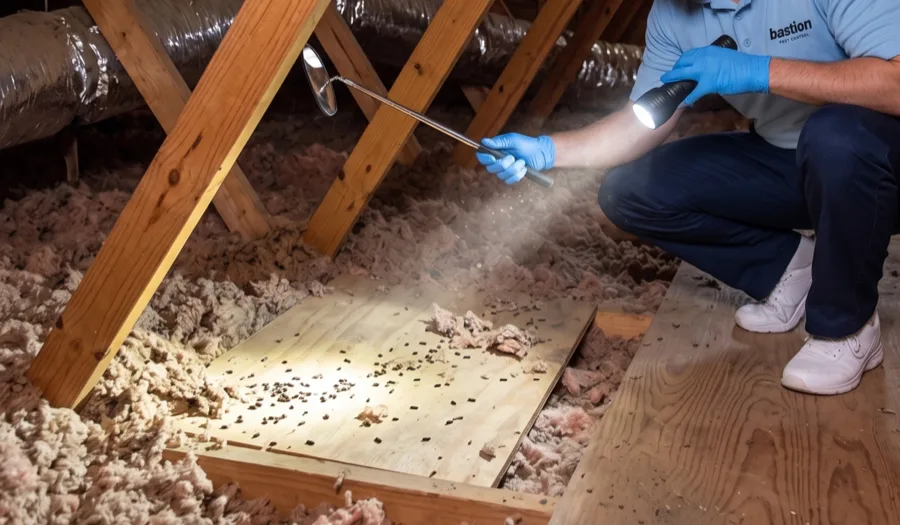
Inspect and identify
A full interior, attic and exterior inspection to confirm the species, map how they move, and find every entry point. What turns up decides the plan and the quote.
 2
2
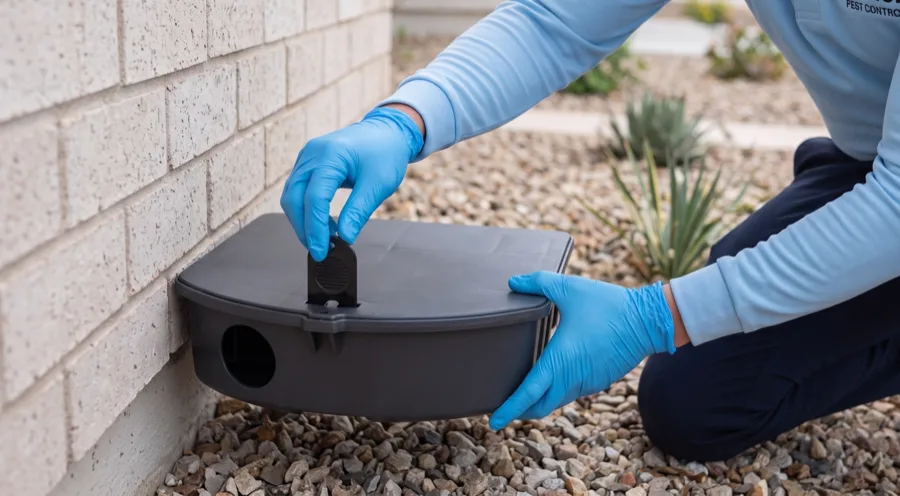
Trap and remove
We trap in the living space and attic instead of poisoning there, so nothing dies somewhere you cannot get to it. Tamper-resistant stations outside handle the pressure coming in.
 3
3
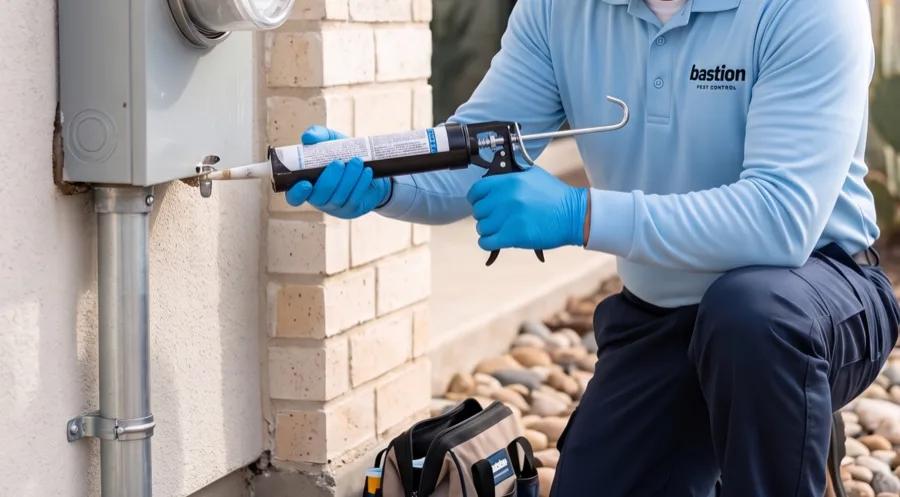
Seal them out
Exclusion is the part that lasts. We seal soffit gaps, weep holes, line-set penetrations, garage-door corners and roof junctions with steel and hardware cloth. We seal soffit gaps, weep holes, line-set penetrations, garage-door corners and roof junctions with steel and hardware cloth rodents cannot chew through. Pest Prevention by Design guidelines (Texas A&M AgriLife, PDF)
Recognize any of these in your Cedar Park home?
Free quote, same-day service most days, and free re-treatments if they come back between visits.

Why rodents get into homes in Cedar Park.
Rodents get into Cedar Park homes from the cedar and the canopy. Ashe juniper and live oak cover throughout Buttercup Creek, Anderson Mill West and Woodland Park gives roof rats an elevated route: branch to utility line to roof, in at a soffit gap or gable vent, never touching the ground. That is why homeowners hear scratching overhead and find nothing downstairs. Woodrats are the other Hill Country problem here, building bulky stick nests in brush and notorious for chewing wiring in vehicles and equipment parked near cover.
Above that limestone, Cedar Park is Hill Country transition. Ashe juniper (cedar) and live oak cover, the Brushy Creek and Cypress Creek corridors, and substantial greenbelt and preserve land put wildlife habitat directly against residential sections in Buttercup Creek, Twin Creeks and Cypress Canyon. Deer move through these neighborhoods constantly. And because topsoil over the rock is shallow, landscaping here leans on limestone walls, boulder beds and flagstone, which adds harborage against every house.
Rodents are the one pest where the damage costs more than the creepiness. A rat chewing insulated wire in your attic is a real fire risk. Chewed AC ductwork means you are paying to air condition the space above your ceiling, which your August electric bill will mention. Flattened insulation stops insulating, and urine and droppings soak the attic directly over your bedrooms. They bring fleas and mites along as houseguests, too. So we treat rodent work like a repair job, not a body count. Trapping without sealing is bailing out a boat and never looking for the hole: satisfying for a while, and you are still going to get wet.
Buttercup Creek karst
Documented caves and limestone voids under the city hold humid, protected harborage.
Cedar and oak cover
Ashe juniper holds ground-level humidity, critical for ticks and prey insects.
Heavy deer traffic
Deer moving between preserve land and yards are how ticks arrive on a property.
Rock landscaping
Shallow topsoil means boulder walls and flagstone, prime widow and scorpion sites.
When do rodents get into Cedar Park homes?
Rodent season here is the opposite of everything else. Quiet all summer, then the first cold front arrives and the attic suddenly sounds occupied. Cedar Park's older tree cover puts plenty of roof rats within jumping distance of a roofline.
It kicks off with the first hard cold snap. Warm air escaping a soffit gap is the whole invitation.
With food and shelter outside, your attic is an unnecessary risk. Quiet in summer does not mean closed off.
Mice need a gap like a dime, roof rats one like a quarter. Trapping alone just clears space for the next arrival.
Rat or mouse? What we find in Cedar Park homes.
Our own photos from Cedar Park jobs. The first question is always rat or mouse, because the answer changes the trap, the bait and the size of gap we have to close.
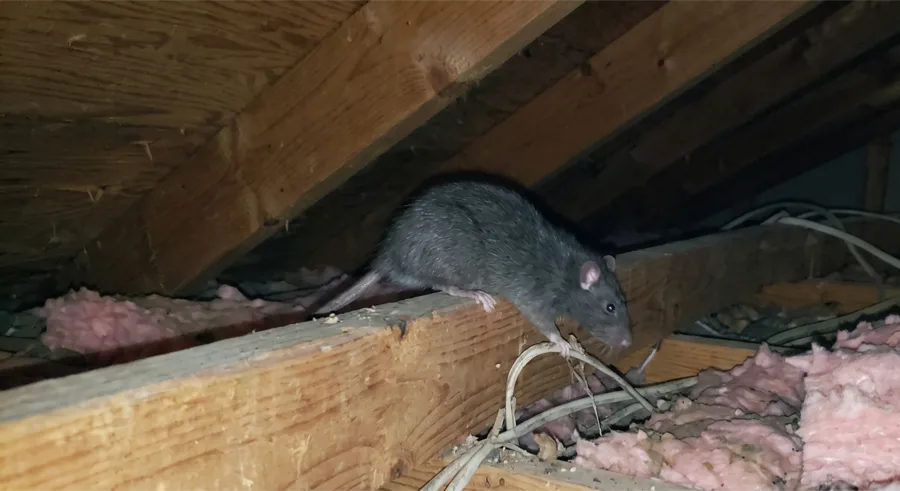
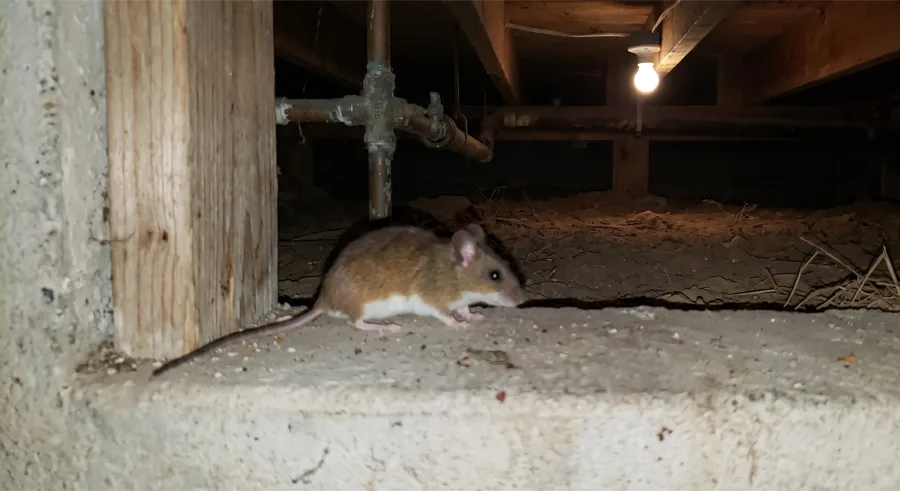
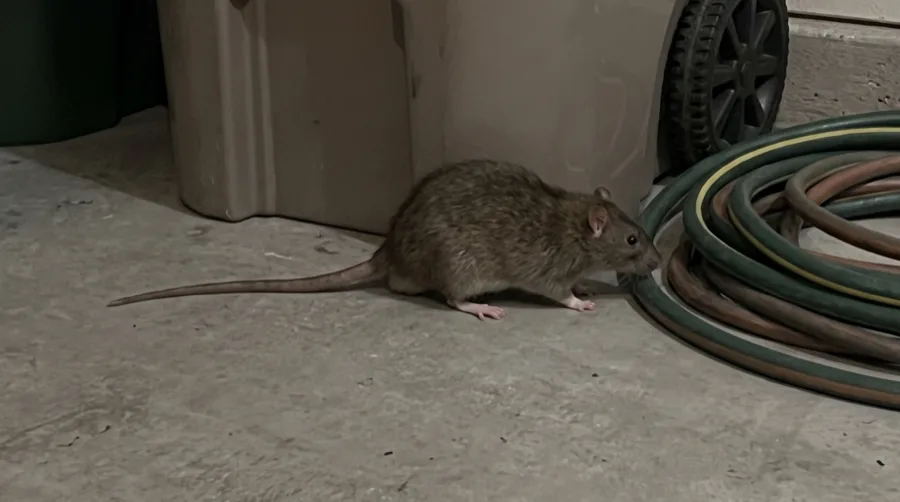
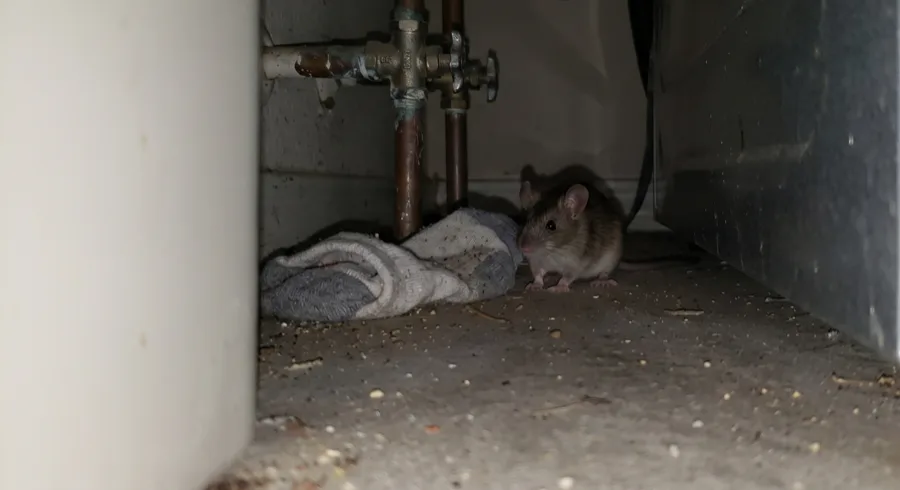
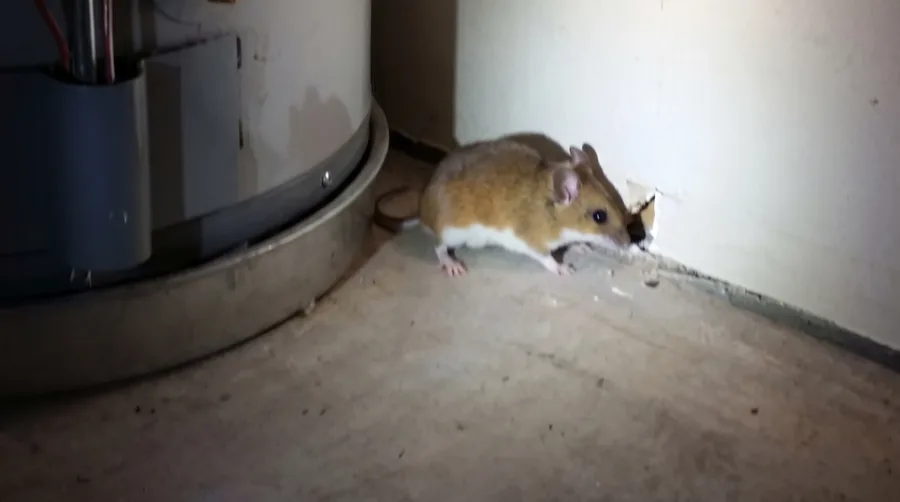
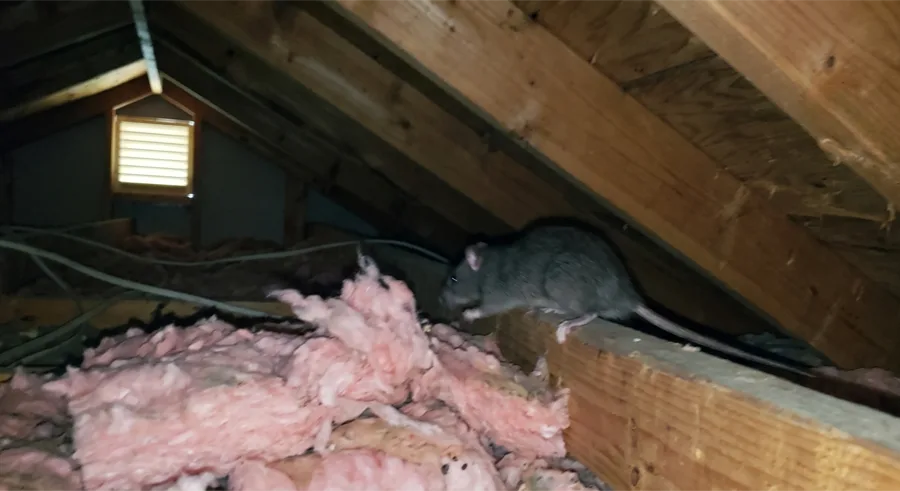
Photographs from our own Cedar Park visits. Never sweep or vacuum droppings dry. Send a photo to 843-480-8699 and we will identify it.
What is actually in your attic.
The rodent lineup in Cedar Park runs wider than most suburbs because so much of the city touches preserve land, cedar brakes and the Buttercup Creek cave system. Roof rats use the canopy. Deer mice walk in from the greenbelt. Woodrats stack nests in the brush and occasionally in an engine bay. Your technician confirms which one you have on site before setting a single trap, because a trap placed for the wrong animal is just a small metal decoration.




A note on bites and stings. Reactions vary from person to person, and any bite or sting can cause a serious reaction in someone sensitive to it. Nothing here is medical advice. If you are bitten or stung and feel unwell, or the reaction spreads or does not settle, contact a doctor or Poison Control. If breathing or swallowing is affected, treat it as an emergency and call 911.
The signs homeowners notice first.
Deer move through Cedar Park yards at dusk and get all the attention, while the rodents behind the boulder wall get none. If something on this list sounds familiar, call and describe it, down to which room and what time of night. Usually we can tell you on the phone whether it warrants a same-day visit or a regular appointment.
- Scratching or scurrying overhead at night
- Dark, rice-grain droppings along walls or in cabinets
- Gnaw marks on baseboards, wiring or stored boxes
- Shredded insulation, paper or fabric used as nesting
- A persistent musky, ammonia-like smell
- Greasy rub marks along walls and pipe runs
- Stick nests packed behind a boulder wall or flagstone bed
- Chewed wiring in a truck parked near the cedar line
Your Cedar Park neighborhood is on the route.
Where you need rodent removal in Cedar Park depends on the tree line. Buttercup Creek, Twin Creeks and Cypress Canyon back onto preserve and greenbelt, so deer mice and woodrats come in at ground level while roof rats work the cedar canopy overhead. Anderson Mill West and Woodland Park have the mature oaks that make a roofline reachable. Newer streets get mice through builder seams. Same truck, same technician, different playbook on every lot.
Not listed? We almost certainly cover it, see pest control in Cedar Park or the full service area.
Ask us about rodents in Cedar Park.
How much does rodent control cost in Cedar Park, TX?
An active mouse or rat infestation is a separate clean-out job starting at $449. Recurring rodent control and monitoring comes with the general pest plan from $66 a month for a single-family home. Exclusion, the sealing work, is quoted separately because no two houses leak the same way. On Cedar Park's greenbelt-adjacent lots there is usually more of it to do, since the wildlife has a shorter commute.
How did rodents get into a brand new house?
New construction is one of the most common rodent calls we get, for two reasons. First, new sections displace field mice from the land the neighborhood was built on. Second, builders routinely leave gaps where brick meets soffit, around AC line sets and dryer vents, and at garage door corners. A mouse needs a dime-sized hole, so a new home is not a sealed home.
Do you seal the entry points or just set traps?
Both, though the sealing is what genuinely finishes it. Trap without excluding and you get a quiet few weeks before the next tenant finds the same opening. Traps solve the current residents. Exclusion cancels the lease.
Will you put poison in my attic?
No. We trap in attics and living spaces instead of baiting there, precisely so nothing dies inside a wall you cannot open. That is a smell you do not forget. Exterior bait sits in locked, tamper-resistant stations outside, where the pressure actually starts.
How long does it take to get rid of rats or mice?
Most Cedar Park homes are quiet within one to three weeks. Mice go faster than roof rats because they are less cautious about new objects. Rats are trap-shy and can take an extra week or two to commit. The timeline depends much more on how many entry points there are than on how many rodents are inside.
Do you clean up droppings and contaminated insulation?
We treat the area during service. Full attic remediation, removing and replacing contaminated insulation, is a larger job we quote separately after inspection. If you have had a long-standing infestation above bedrooms, we will tell you honestly whether it is warranted.
Do the limestone boulder walls in my Cedar Park yard shelter rodents?
They can. Shallow topsoil over rock means most Cedar Park landscaping leans on boulder beds, stacked limestone and flagstone, and the gaps between those stones stay cool and dry, which is a decent description of a rodent den. Rats and woodrats use them as a staging area a few feet from the foundation. We check the walls on inspection, and if they are active we place exterior stations nearby and seal the house side so the wall stays a wall.
Something is nesting in my boat parked by the cedar. Rat or woodrat?
In Cedar Park, near cedar cover, bet on the woodrat. Roof rats prefer to be up in a soffit, while woodrats drag sticks and debris into anything enclosed and quiet: engine bays, boat compartments, the mower deck. Chewed wiring is their signature. Move the boat away from the brush line if you can, and call us. We trap them where they are nesting and treat the cover they came from.





Nearby cities we treat for rodents
We treat rodents in every city we serve. Same crew, same guarantee, different wildlife next door. Pick your city below, read the full rodent control overview, or check the complete service area.
Answered 24 hours · Cedar Park, TX
Get them out. Keep them out.
Free inspection and quote, same-day service across Cedar Park, and exclusion work that closes the door behind them.