Spider control in Georgetown, TX.
Georgetown houses spiders at both ends of its history: recluses and cellar spiders in century-old downtown crawl spaces, widows in the limestone walls of Sun City and Wolf Ranch. The plan runs from $66 a month, with hand de-webbing on every visit and free re-treatments if they are back before we are.
Written by the Bastion Pest Control service team · Licensed & insured in Texas · Last updated
Spider control in Georgetown, the short version
The two San Gabriel forks feed the insects and the rock houses the spiders. Downtown adds cellars nobody has opened in years. Here is the short version for Georgetown.
- Peak season
- August through October
- Late-summer wandering males, usually spotted first in Sun City garages.
- Biggest risk
- Black widows
- Limestone retaining walls and valve boxes, standard on nearly every Georgetown lot.
- Included in
- $66/mo plan*
- De-webbing on every visit, no upcharge.
- Every visit
- Hand de-webbing
- Egg sacs removed, spray cannot reach inside.
- Root cause
- Their food
- Fewer moths and crickets means fewer spiders.
- After rain
- Wolf spiders
- Flooded ground drives them indoors.
Spider control is included in the general pest plan.
One plan, one price, spiders included. Georgetown homes on the recurring general pest plan get hand de-webbing, egg sac removal and treatment of the rock walls and meter boxes with every visit, no upcharge for widows or anything else with eight legs. Between visits, if they rebuild, we come back for free. Starting rate for a single-family home is $66 a month, and the on-site quote is free.
See full pricing details →What a single-family Georgetown home starts at, spider service included, and re-treatments between visits are free.
| General pest planRecurring | One-time treatmentSingle visit | |
|---|---|---|
| What it is for | Keeping spiders and their food supply down year-round | Clearing webs and treating one active problem |
| Right for you if | You want the webs to stop coming back | You are hosting, selling, or want to try us once |
| What you get | Full TriBarrier every visit, eaves and corners included | One full TriBarrier treatment |
| If they come back | We re-treat free, with no limit and no trip fee | A return visit is a new charge |
| Other pests covered | Ants, cockroaches, scorpions, wasps and rodents | Spiders only |
| Price | From $66 a month* | Quoted per job* |
* Starting cost. Home size, lot size and current pest pressure set the number on your quote.
How we control spiders in Georgetown.
Spider work is mechanical as much as chemical. Removing webs and egg sacs by hand does more than any product, and reducing the prey base keeps them from returning.
 1
1
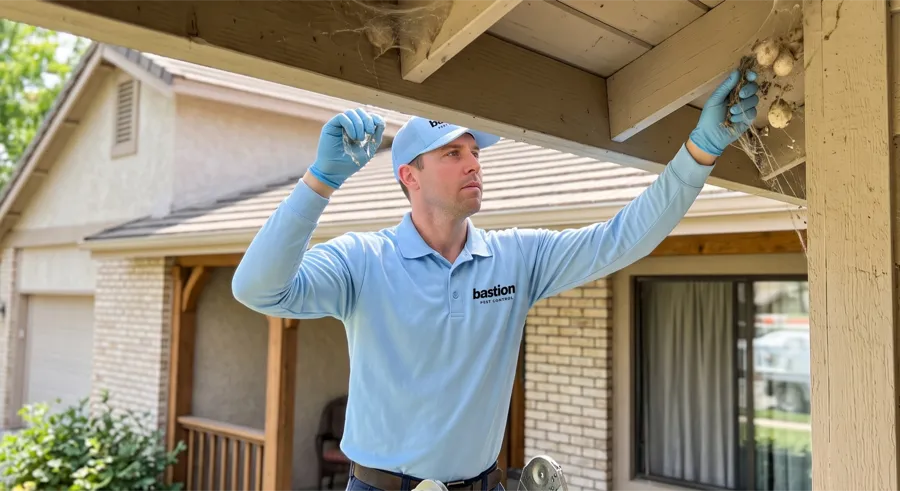
De-web by hand
We physically take down webs and egg sacs from eaves, soffits, porches, corners and patio structures, removing the next generation before it arrives.
 2
2
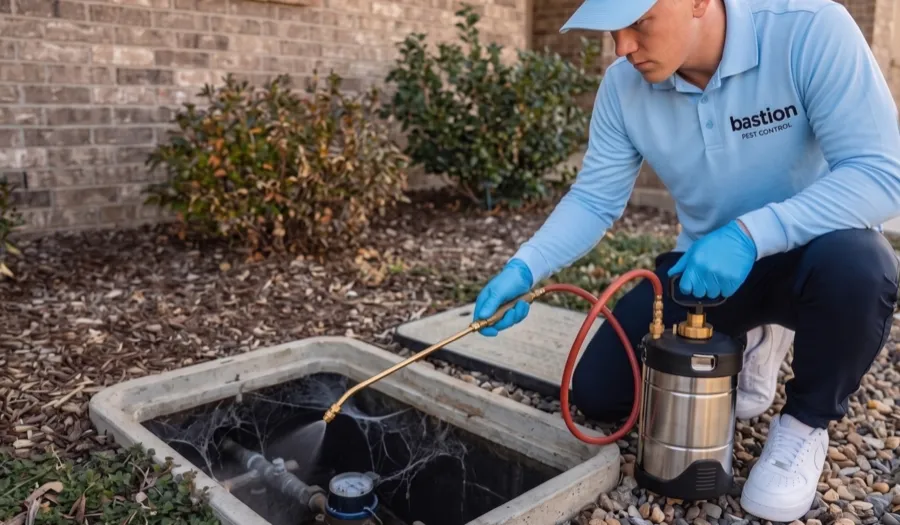
Treat the harborage
Direct treatment into meter and valve boxes, garage door tracks, stone walls, under decks and behind stored items, the quiet voids widows prefer.
 3
3
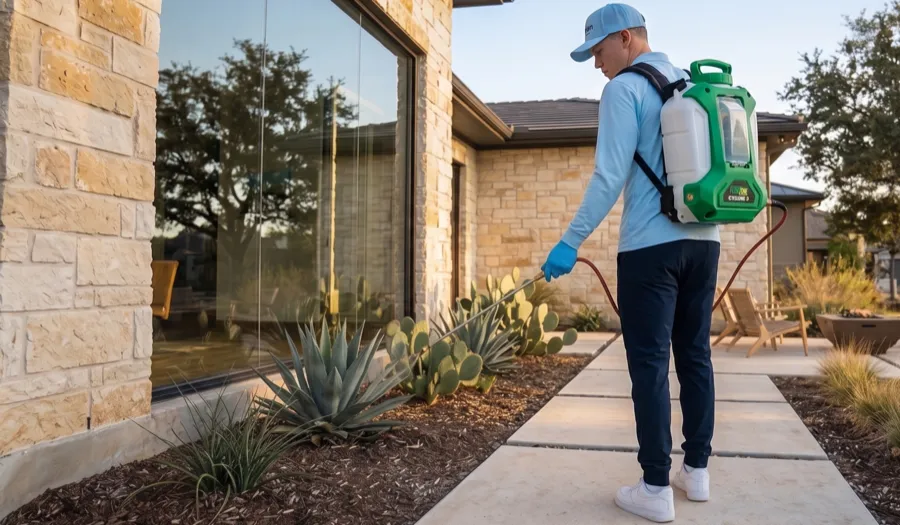
Remove the food supply
The full TriBarrier treatment cuts down the insects spiders eat. Fewer moths, crickets and ants around the foundation means fewer spiders staying.
Recognize any of these in your Georgetown home?
Free quote, same-day service most days, and free re-treatments if they come back between visits.

Why homes collect spiders in Georgetown.
Georgetown's spider population is fed by the river corridors and housed by its rock. Insect volume off the two San Gabriel forks supplies the prey, and the limestone retaining walls, flagstone and rock beds standard in Georgetown landscaping give black widows the dry, undisturbed voids they prefer, along with meter boxes, valve boxes and garage door corners. The century-old downtown homes add another layer: crawl spaces, cellars, detached garages and outbuildings where recluse and cellar spiders shelter undisturbed for years.
Georgetown's housing runs from one extreme to the other, and the pest work follows. Downtown has one of the best-preserved Victorian commercial districts in Texas plus surrounding homes over a century old, with all the gaps, voids and original construction details that age brings. Sun City is an enormous, meticulously landscaped and irrigated retiree community. And Wolf Ranch, Parkside on the River and Rancho Sienna are new construction on freshly graded ground. Three completely different problems inside one city.
Spiders are the guests, not the party. They set up wherever dinner is being served, so a house crawling with spiders is really a house crawling with the bugs spiders eat. Treat only the spiders and they will be back by Thursday. Take away the buffet and they move out on their own. It is also why this job is as much broom as it is bottle. Pulling webs and egg sacs down by hand beats any product in a can, because one egg sac holds hundreds of spiderlings and no spray gets through the wrapper. Leave it up and you have not removed a spider, you have preordered three hundred.
Edwards limestone
Voids and seams, Inner Space Cavern is the local proof, hold humid, protected harborage.
San Gabriel River forks
Two river corridors meeting in town keep moisture and insect volume high.
Century-old downtown
Homes and buildings over 100 years old have far more entry points and voids.
Sun City irrigation
Heavily watered, meticulously landscaped lots concentrate ants, crickets and moisture pests.
When spider activity peaks in Georgetown.
Spiders do not leave for winter around here. The weather never really asks them to. What does change is early fall, when they stop being something out in the yard and start turning up inside, reliably, every single year.
Males reach maturity, set off hunting for a mate, and end up in your garage.
Still here, simply slower, and largely out of view.
Setting the barrier in spring is considerably easier than repairing it at the peak.
What we actually find on spider jobs.
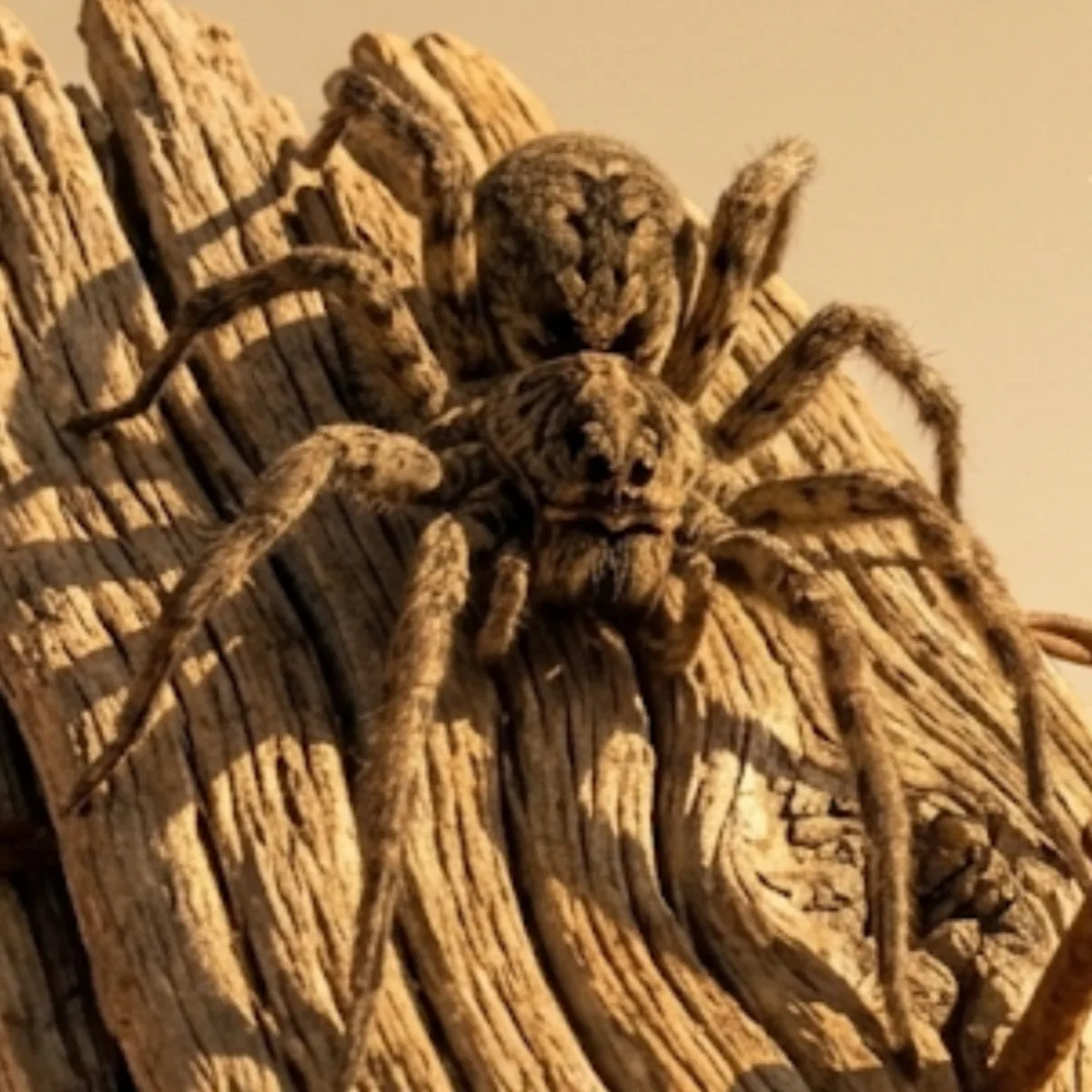
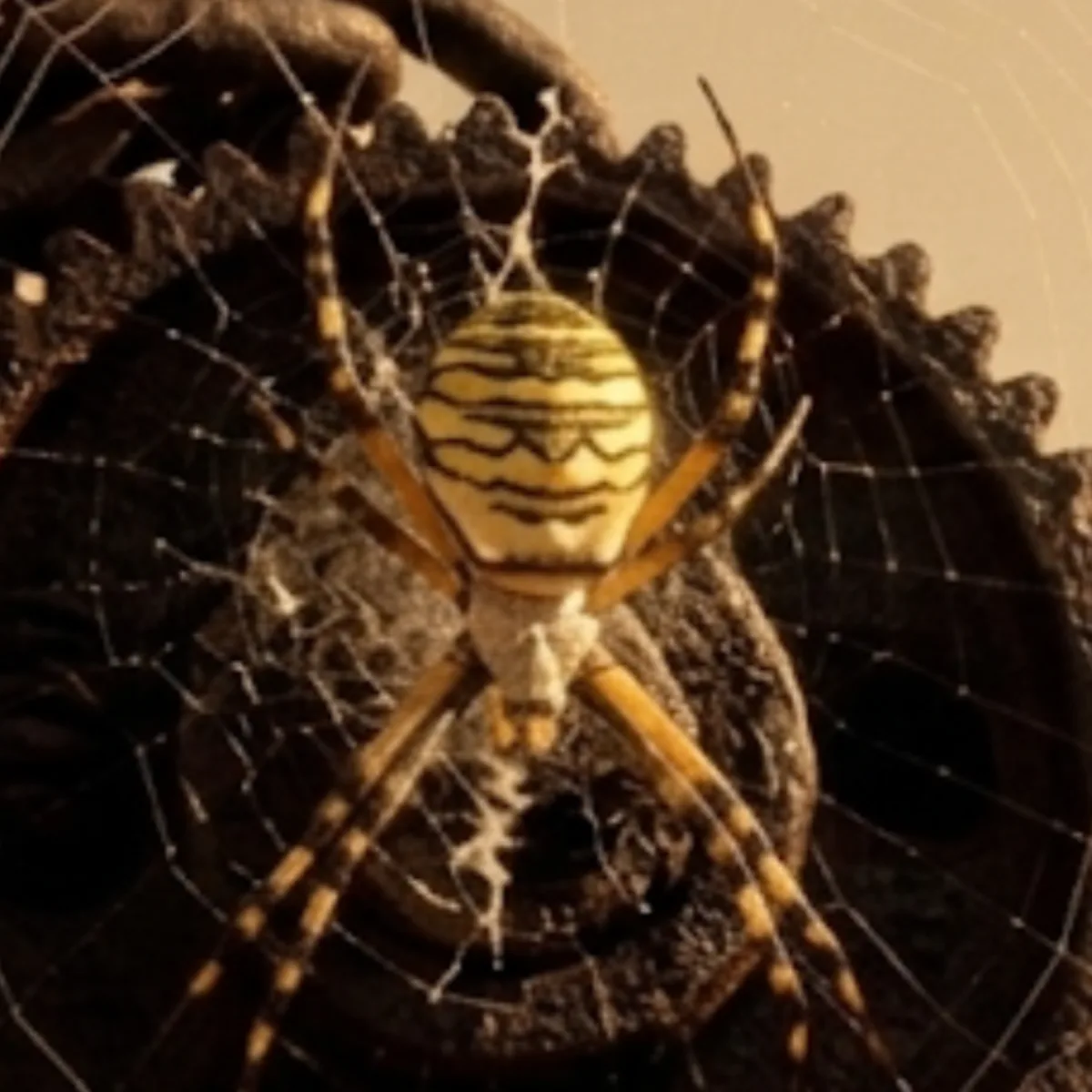
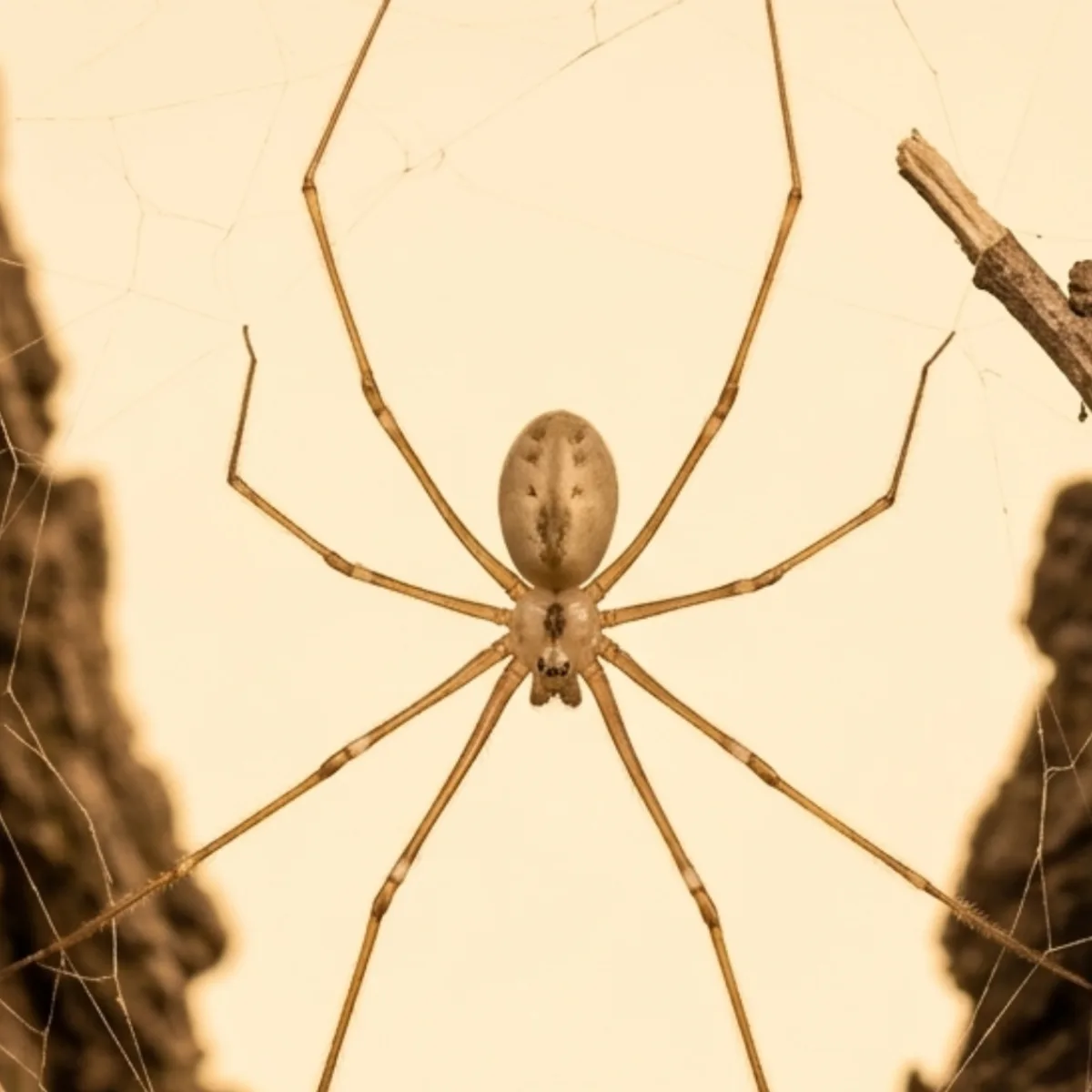
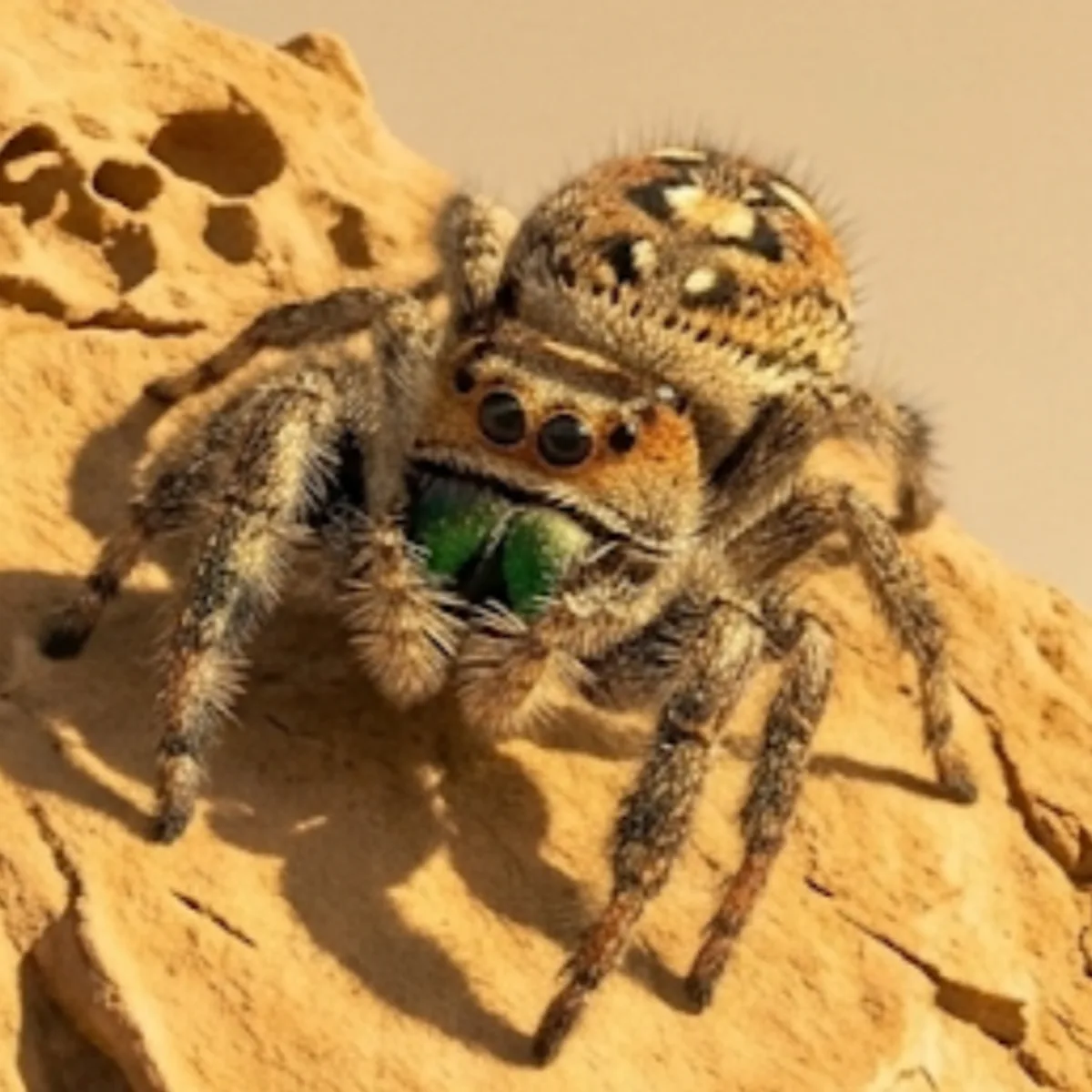
Our own photos, taken on real service visits around the metro. If you are squinting at something in a closet corner trying to identify it, it is probably in here.
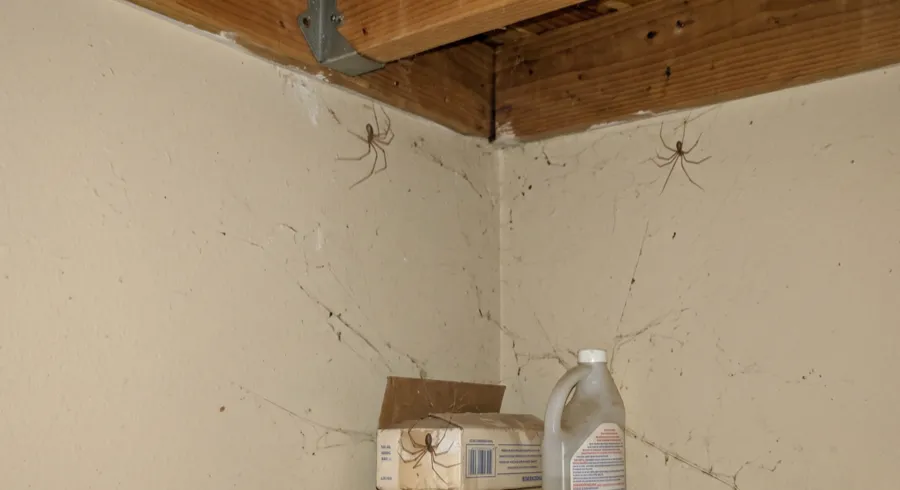
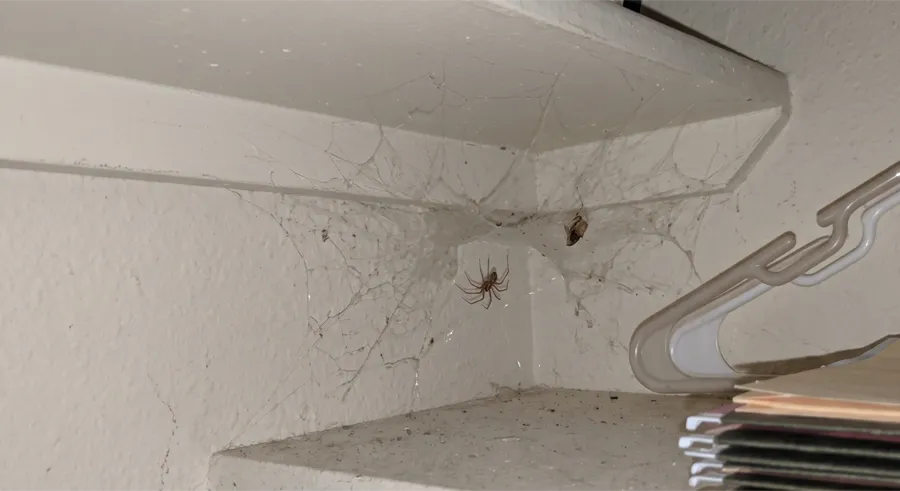
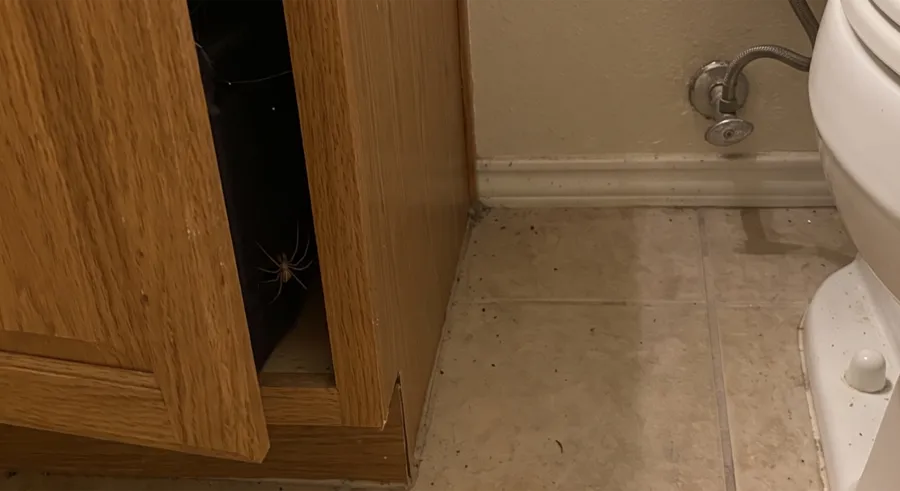
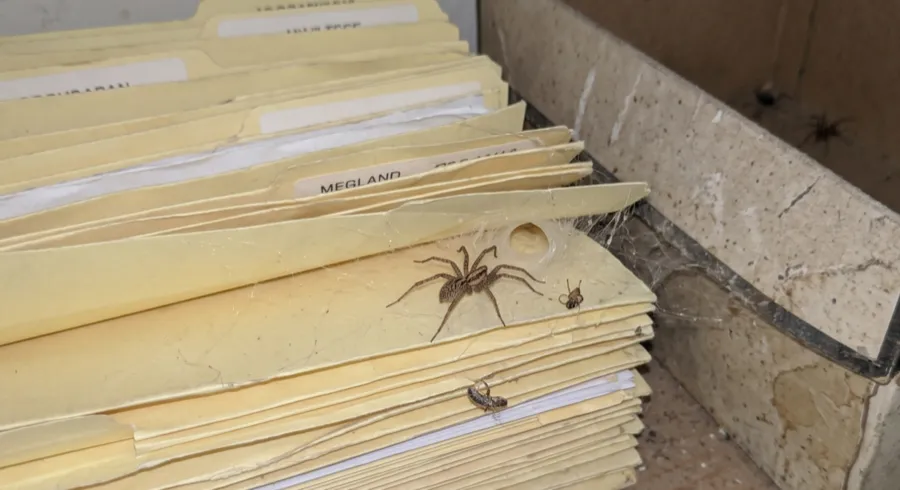
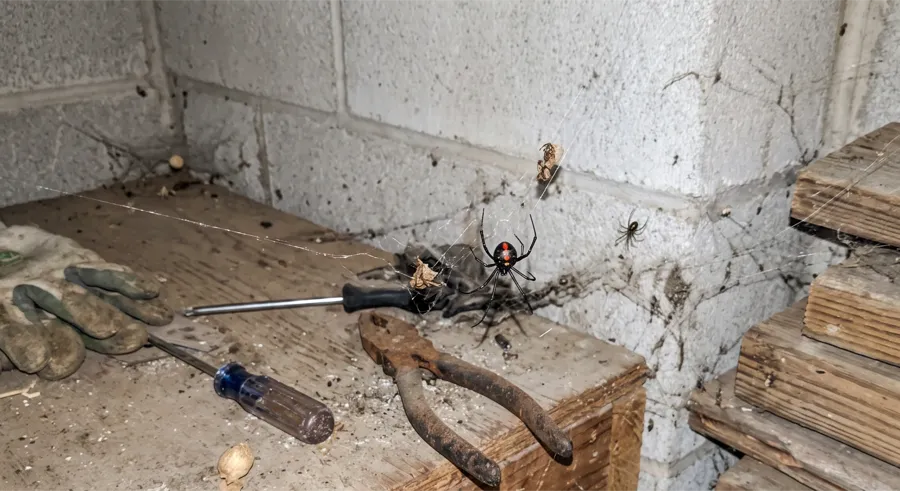
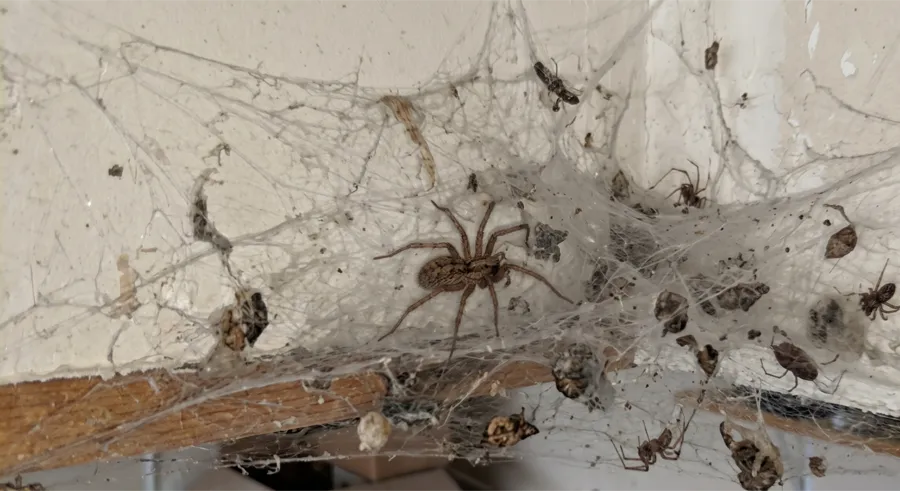
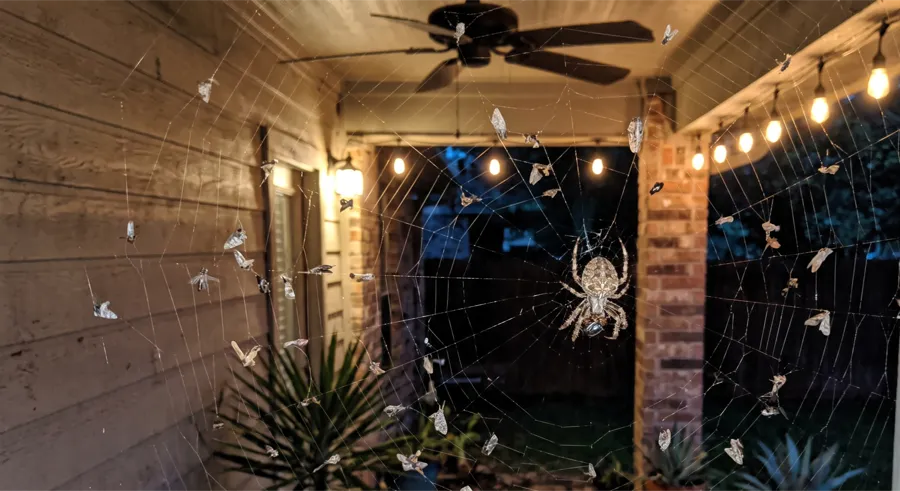
Every photo here was taken by our own technicians. These species are common right across Central Texas. Unsure what you are seeing? Text a photo to 843-480-8699 and we will tell you.
The spiders we find in Georgetown.
For spider purposes Georgetown is three cities. The century-old downtown blocks, with cellars, crawl spaces and detached garages, are where recluse and cellar spider calls come from. Sun City's irrigated, meticulously kept lots grow crickets, which grow orb weavers and wolf spiders. New construction in Wolf Ranch and Rancho Sienna hands widows fresh limestone walls and untouched valve boxes. Your technician confirms which species you have on site before treating, because the treatment for a downtown cellar is not the treatment for a rock wall.
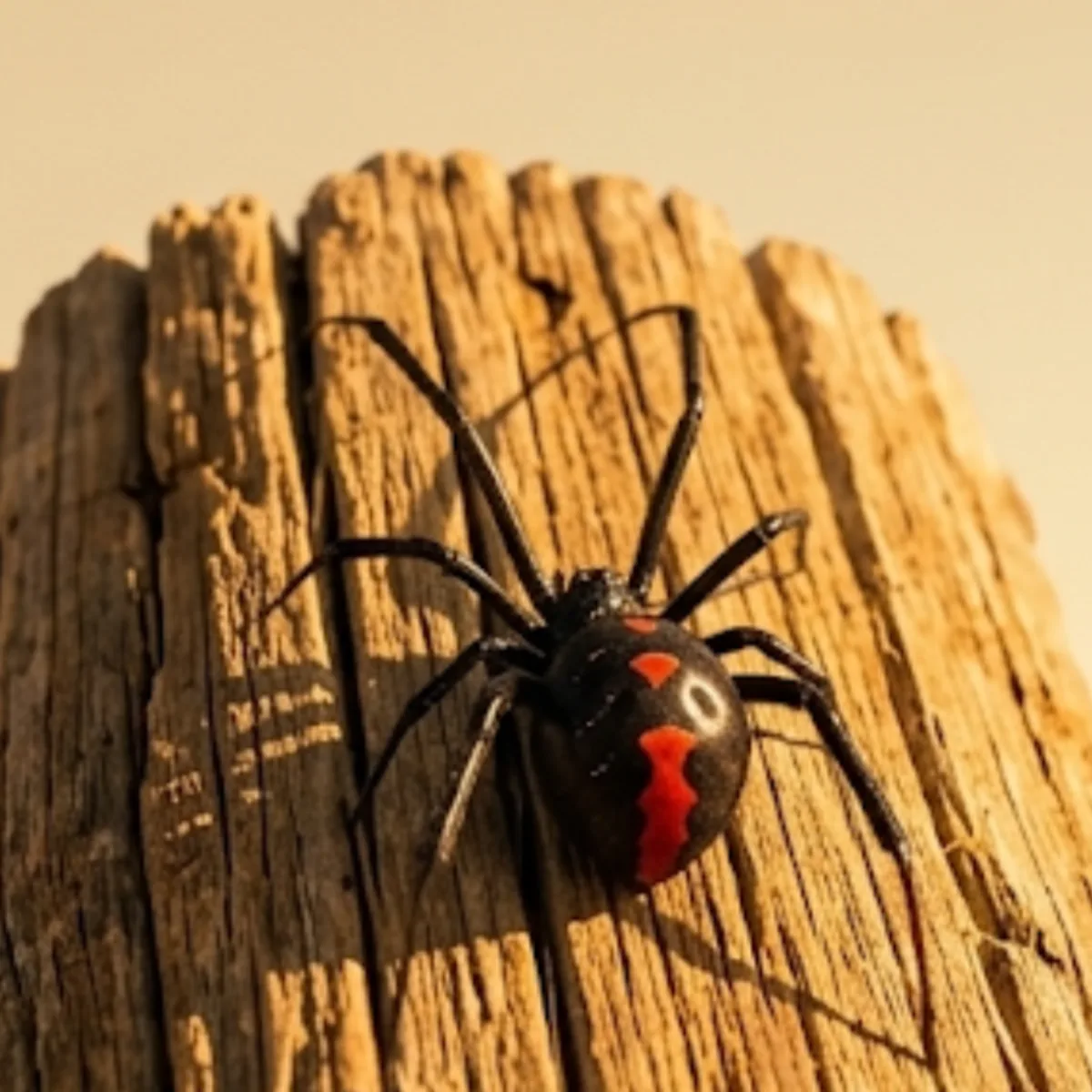
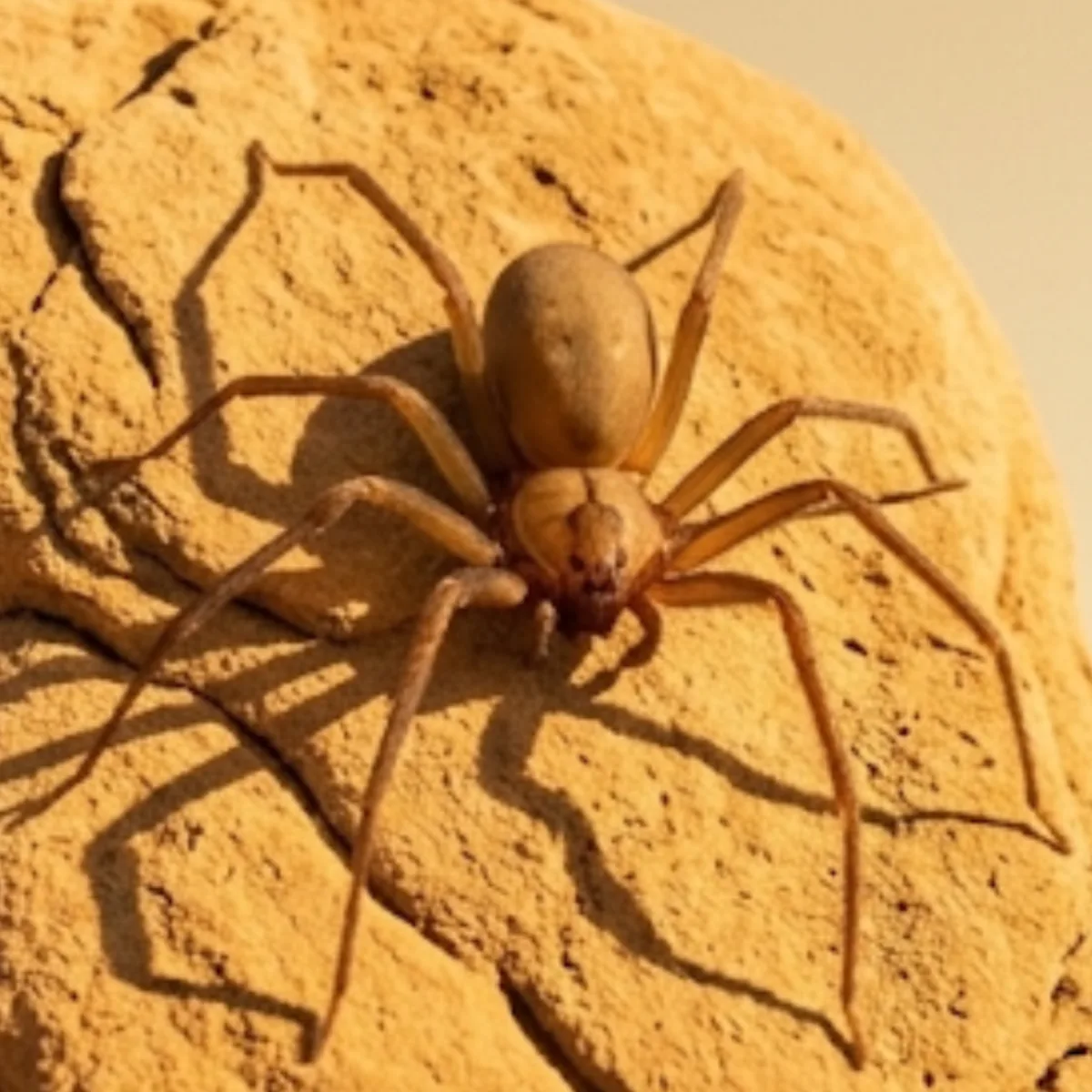
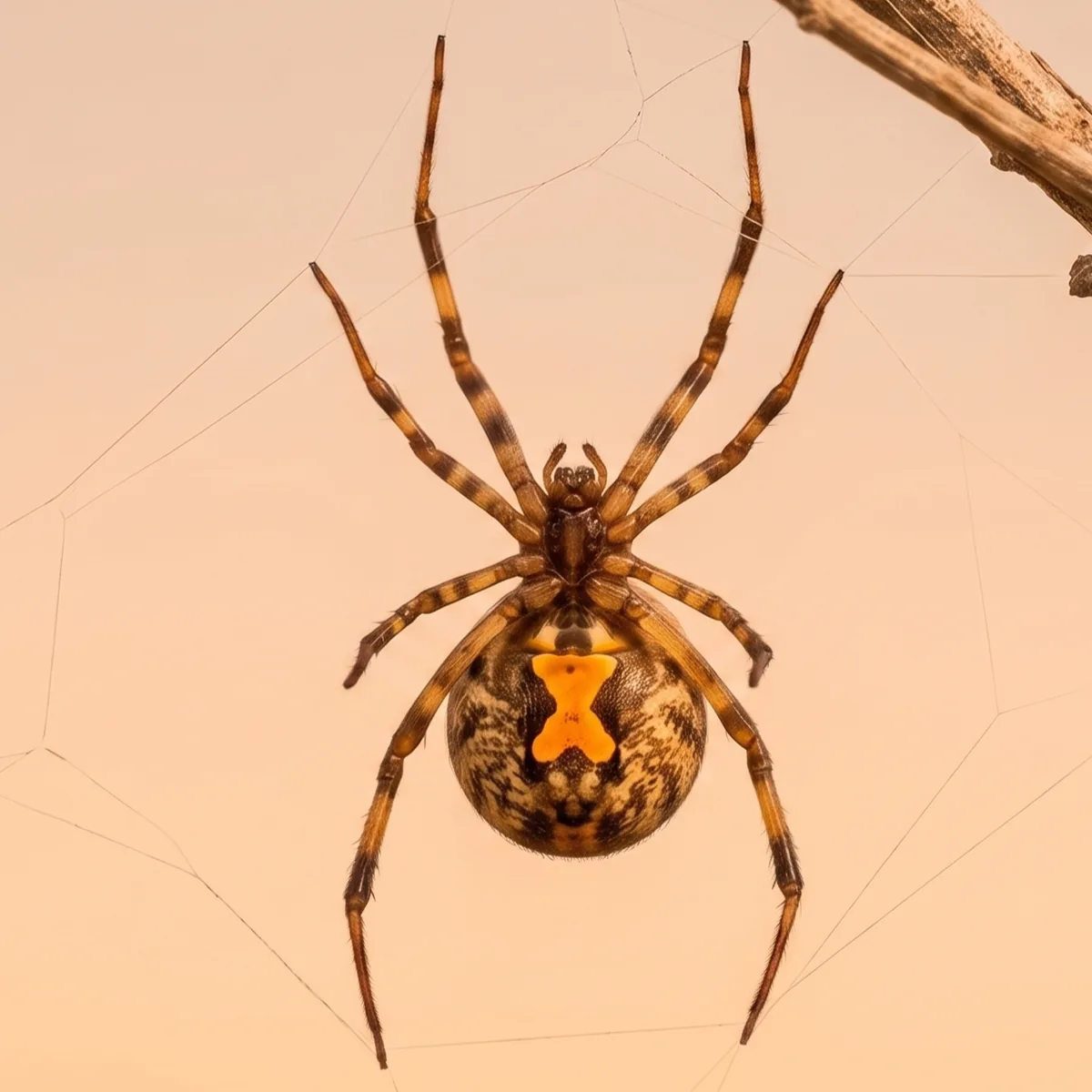
A note on bites and stings. Reactions vary from person to person, and any bite or sting can cause a serious reaction in someone sensitive to it. Nothing here is medical advice. If you are bitten or stung and feel unwell, or the reaction spreads or does not settle, contact a doctor or Poison Control. If breathing or swallowing is affected, treat it as an emergency and call 911.
What we look for on the first visit.
Age changes what we look for. A Victorian-era downtown house shows spiders in the cellar, the crawl space and the outbuilding; a new Parkside on the River build shows them in the meter box and the builder gaps. Call and tell us which one sounds like yours. Over the phone we can usually judge whether it needs a same-day visit, and most days that is doable.
- Tangled webbing in garage corners or under eaves
- Webs inside the water meter or valve box
- Egg sacs (smooth white spheres) in sheltered corners
- Fast ground spiders indoors after heavy rain
- Fresh orb webs across the porch each morning
- Webbing under grills, furniture or stacked pots
- Cobwebs thick in a downtown cellar or crawl space
- Fresh webbing at soffit seams on new Wolf Ranch construction
Spider control across Georgetown.
Spider calls in Georgetown split by age. Around the downtown square and San Gabriel Heights, older homes give cellar spiders and recluses decades of undisturbed storage. Sun City's irrigated lots grow crickets and the orb weavers that eat them. Wolf Ranch and Parkside on the River hand widows brand-new limestone walls and valve boxes. If you want a spider exterminator in Georgetown who knows which of those three you are, that is the point of running routes here every week.
Not listed? We almost certainly cover it, see pest control in Georgetown or the full service area.
Spider control in Georgetown, common questions.
How much does spider control cost in Georgetown, TX?
Spider control and de-webbing are included in our general pest plan starting at $66 per month for a single-family home in Georgetown. That covers spiders along with ants, roaches, scorpions, wasps and rodents, and there is no surcharge for treating black widows. Your exact price depends on home and lot size, confirmed with a free on-site quote.
Are there black widows in Georgetown?
Yes, and this is good country for them. The limestone bluffs along the San Gabriel and the cedar breaks west of town mean stone is the default landscaping material, so retaining walls, rock beds and dry-stacked borders are everywhere, and each one is a set of dark undisturbed cavities. Sun City is the clearest case: cleared limestone under heavy irrigated planting. We find widows in meter boxes, irrigation valve boxes, garage door track corners, stacked pots and under patio furniture. A bite is medically significant, so those voids get treated every visit and gloves go on before you reach into one.
Why do I get big spiders inside after it rains?
Those are almost always wolf spiders reacting to flooding. Heavy rain saturates the ground and floods the burrows and crevices they hunt from, so they move to the driest high ground available. Your slab and garage. It is not an infestation and it says nothing about how clean the house is. A treated perimeter is what stops them at the foundation.
Do you actually remove the webs, or just spray?
We clear them by hand on every visit: eaves, soffits, porches, patio columns, corners and door frames, egg sacs included. The egg sacs are the whole point. Leave one and you have delayed the problem, not fixed it.
Is spider treatment kid and pet friendly?
Our treatments are pet and kid friendly, and they go into the voids and harborage where spiders shelter: meter boxes, wall voids, under decks, garage corners, rather than across open floors or play areas. Keep kids and pets off treated exterior surfaces until dry, roughly 30 minutes, and we will show you every area we treated before we leave. Your technician will tell you if any area needs longer.
How do I keep spiders out between visits?
Deal with the light first. Warm or yellow LED exterior bulbs attract far fewer moths and midges, and cutting the insects cuts the spiders that came for them. Next, hold mulch and landscape stone a few inches clear of the foundation and keep firewood off the ground and away from the wall. On the bigger lots that back onto pasture or greenbelt, mow the strip along the fence, because that edge is where the population sits. Gloves for meter boxes, valve boxes and stacked pots, every time.
Do Sun City's irrigated yards attract more spiders than the rest of Georgetown?
They attract more of everything spiders eat. Heavy irrigation on meticulously landscaped lots keeps crickets, midges and moisture insects going all summer, and orb weavers and wolf spiders follow the food. The good news is that Sun City landscaping is also easy to inspect: clean beds, clear foundations, accessible valve boxes. We de-web, treat the perimeter and the boxes, and suggest warm LED porch bulbs. The spiders do not care that it is a retiree community. Neither do we.
My downtown Georgetown house has a cellar. Is that a recluse problem?
It might be, but it is more often a cellar spider problem, and the two look nothing alike once you know the difference. Cellar spiders are long-legged and hang in loose webs. Recluses are compact, tan, and hide in boxes and stored clothing without a web to speak of. Century-old cellars and crawl spaces suit both because nobody goes down there. Send us a photo or describe it, and we will check the whole space on the first visit rather than guess.
Other pests we treat in Georgetown





Spider control in nearby cities
We treat spiders in every city we serve. Same crew, same guarantee, different old porches. Choose your city below, read the full spider control overview, or check the complete service area.
Answered 24 hours · Georgetown, TX
Clear webs. No widows. Every visit.
Free quote, same-day service across Georgetown, and free re-treatments if spiders come back between visits.