Ant control in Austin, TX.
Which side of MoPac you live on decides which ant you have. Limestone seams to the west, blackland clay to the east, pier-and-beam sugar ants in the middle. Our recurring plan covers all of them from $66 a month, with free re-treatments if a trail shows back up between visits. Same crew on either side of the highway.
Written by the Bastion Pest Control service team · Licensed & insured in Texas · Last updated
Ant control in Austin, the short version
Two soils, one metro, eight species that read the geology better than most realtors. Here is the Austin ant picture before you scroll into the details.
- Peak season
- March through November
- Clay east of MoPac floods colonies up after rain, limestone west stays busy through drought.
- Most common
- Fire & sugar ants
- Fire ants own the yards, sugar ants own the pier-and-beam kitchens in the central neighborhoods.
- Included in
- $66/mo plan*
- No ant upcharge, ever.
- Why spray fails
- Queen survives
- Bait is what reaches the colony.
- Fire ants
- 2 - 3 weeks
- Granular needs a watering cycle to activate.
- Guarantee
- Free re-treatments
- Trails return between visits? So do we.
Ant control is included in our general pest plan.
No ant line item on an Austin invoice, ever. The recurring plan already covers ants alongside spiders, roaches, scorpions, wasps and rodents on every visit, whether your house sits on Tarrytown limestone or Mueller clay. If a trail reappears between scheduled visits, you call, we come back, and the return trip costs you nothing.
See full pricing details →Starting rate for a single-family home in Austin. Includes ant control plus free re-treatments between visits.
| General pest planRecurring | One-time treatmentSingle visit | |
|---|---|---|
| What it is for | Keeping ants out of the house year-round | Knocking down one active trail or mound |
| Right for you if | You want it handled and kept handled | You are between tenants, or you want to try us once |
| What you get | Full TriBarrier on every visit, on a recurring schedule | One full TriBarrier treatment |
| If they come back | We re-treat free, with no limit and no trip fee | A return visit is a new charge |
| Other pests covered | Spiders, cockroaches, scorpions, wasps and rodents | Ants only |
| Price | From $66 a month* | Quoted per job* |
* Starting price. Your exact number depends on home size, lot size and current pest pressure.
How we get rid of ants in Austin.
Three steps, every visit, the full TriBarrier treatment. With ants we always lead with identification and baiting, because killing the foragers and never reaching the queen is exactly what makes an ant problem feel like it has a lease.
 1
1
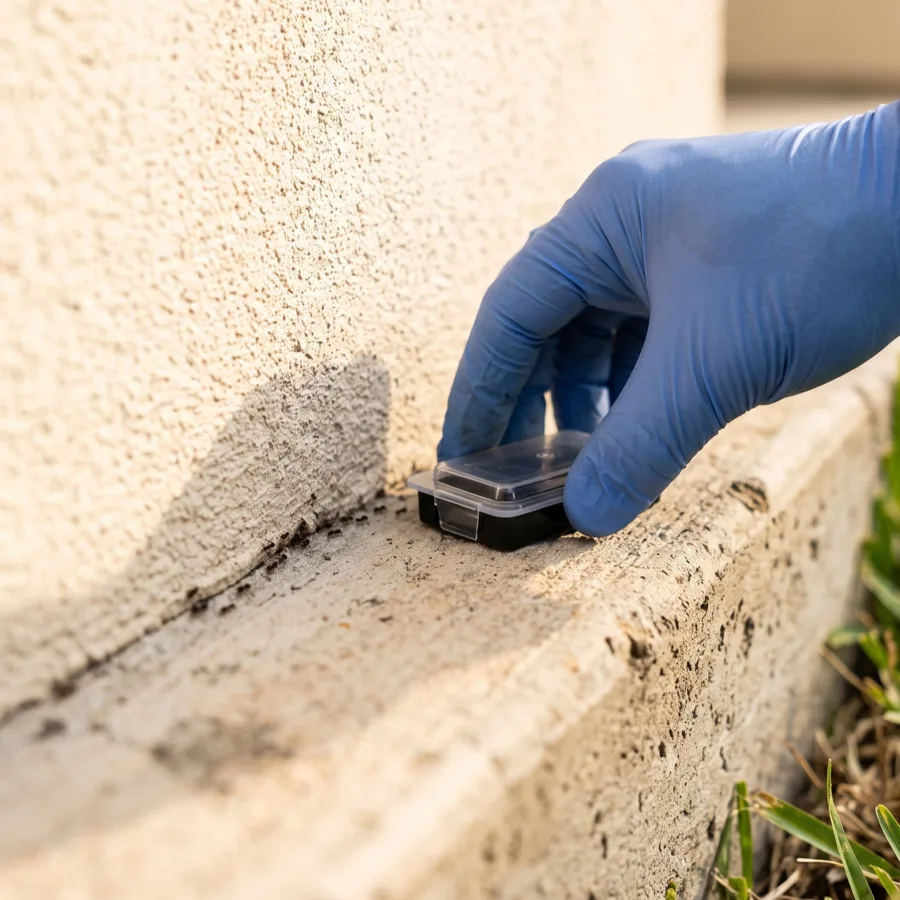
Identify and bait
We work out exactly what we are dealing with before anyone touches a sprayer, then put down bait the workers actually want. They carry it home and hand it to the queen themselves. It is a Trojan horse, except smaller, and with considerably more legs.
 2
2
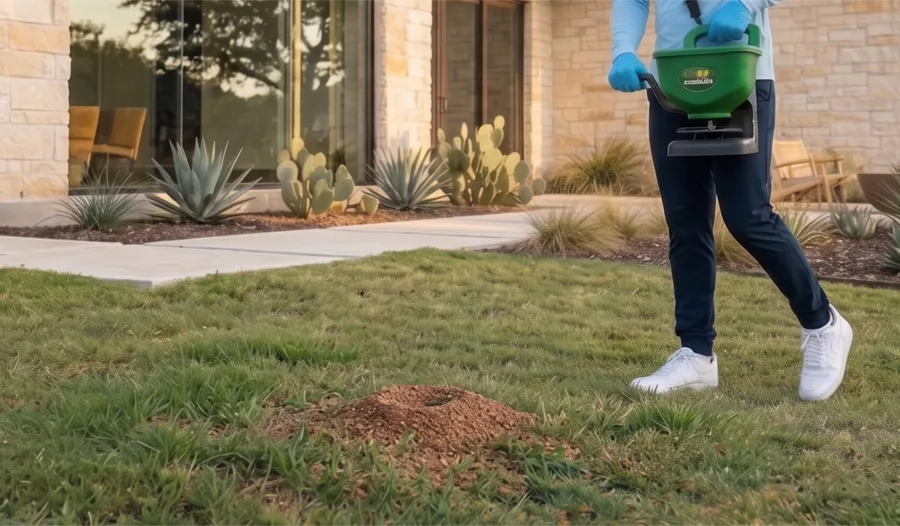
Treat the yard and mounds
A granular broadcast across the lawn plus a direct hit on every mound, and it reactivates every time you water. Congratulations, your sprinkler system is on our payroll now. That is what stops fire ants moving back in between visits.
 3
3
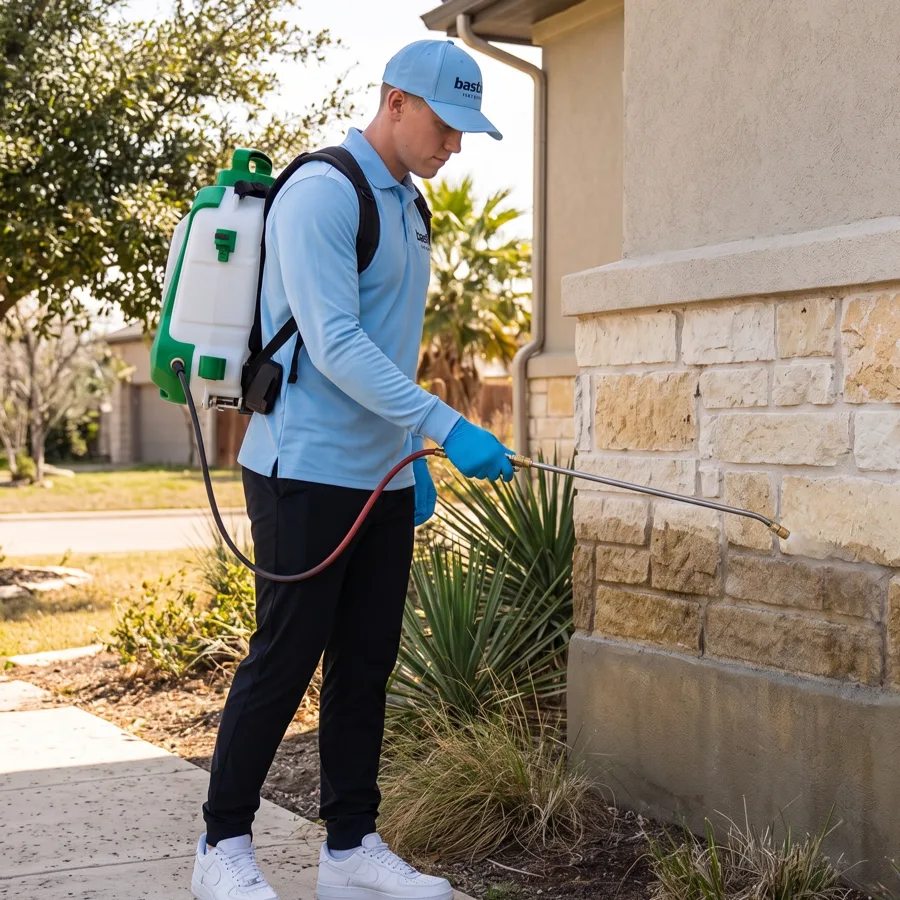
Seal the perimeter
A treated band three feet up and three feet out around the foundation, plus weep holes, slab joints, irrigation boxes and utility gaps. Every little door nobody thinks about until something walks through one at 2am.
Recognize any of these in your Austin home?
Free quote, same-day service most days, and free re-treatments if they come back between visits.

Why ants keep coming back in Austin.
Austin is two cities in a trench coat, and the ants worked that out before we did. East of MoPac you have blackland clay, which holds water like a sponge that never learned to let go. Every time it rains, fire ant colonies ride that flood straight up to the surface. You mow a flawless yard on Saturday and Sunday morning it looks like the moon. West of MoPac it is limestone: cracks, seams and little underground condos where a hose-end sprayer has never once reached them. In the central neighborhoods it is usually sugar ants strolling in from damp soil under pier-and-beam foundations that are older than your parents.
The Balcones fault splits this town into two completely different pest problems. West of MoPac: thin soil over fractured limestone, full of voids and seams that stay cool and humid right up against your foundation. Rent free, great schools. East of it: blackland prairie clay that holds water instead of draining it. Which side you live on changes which pests turn up and how they get in, and it is genuinely the first thing our technicians look at.
Here's why the bottle from the hardware store keeps letting you down. Spraying a trail is like firing the delivery drivers and expecting the restaurant to close. You got the fifty ants you could see. Congratulations. The queen didn't even look up. About nine in ten ants never leave the nest, so if the treatment doesn't get carried home to her, nothing actually happened. You just rearranged the furniture. Worse, some species panic and split into extra colonies when they taste something repellent, which is how one ant problem gets a promotion to five. Real ant control means naming the species first, baiting so the workers deliver the bad news themselves, then keeping a treated ring the next colony cannot cross. If you want the version with no sales pitch attached, the EPA's integrated pest management principles are a solid read.
Two soil types
Limestone west of MoPac, blackland clay east, different pests, different entry routes.
Older housing stock
1930s-60s homes in the central neighborhoods have far more gaps and harborage.
Mature canopy
Live oaks and pecans give climbing pests elevated routes and drop constant leaf litter.
Creeks and greenbelts
Shoal, Waller and Barton Creek corridors keep moisture and insect volume high year-round.
When fire ants peak in Austin.
Fire ants do not follow one simple curve. They surge twice. Spring rain collapses their tunnels and pushes fresh mounds up across the yard, then the summer heat drives them down out of sight, then fall brings them straight back. Two peaks, one very misleading gap in the middle.
Spring rain floods the tunnels and the colony surfaces to rebuild. This is the month you actually notice mounds.
Looks like they packed up. They did not. Heat and drought drive them down, and the mounds just stop being obvious.
Foraging restarts and the mounds reappear. Texas A&M calls late August to mid-October the prime baiting window.
What we actually find on ant jobs in Austin.
Every photo below came off a real Austin service call. If you are standing in your kitchen right now trying to work out what is marching across the countertop, one of these is almost certainly it.
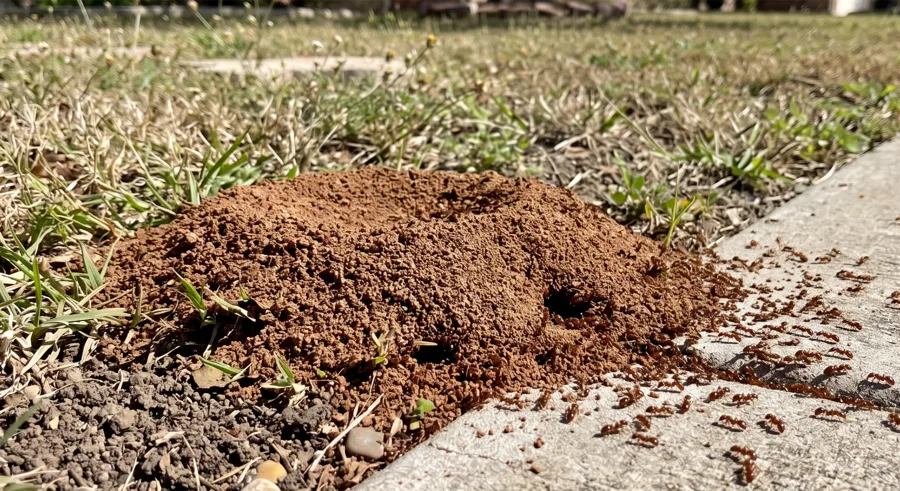
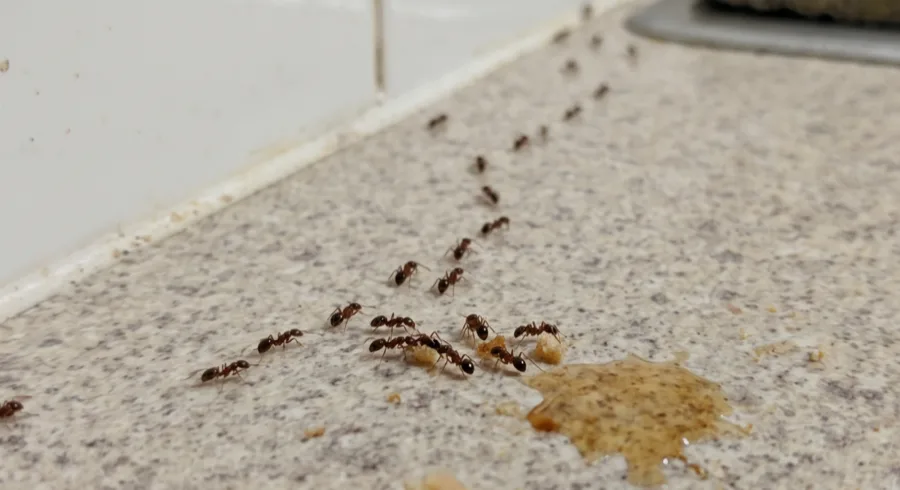
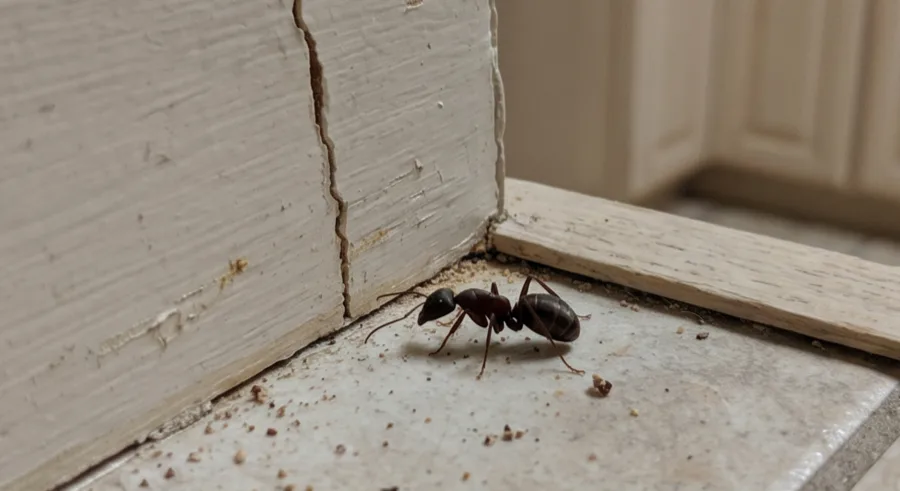
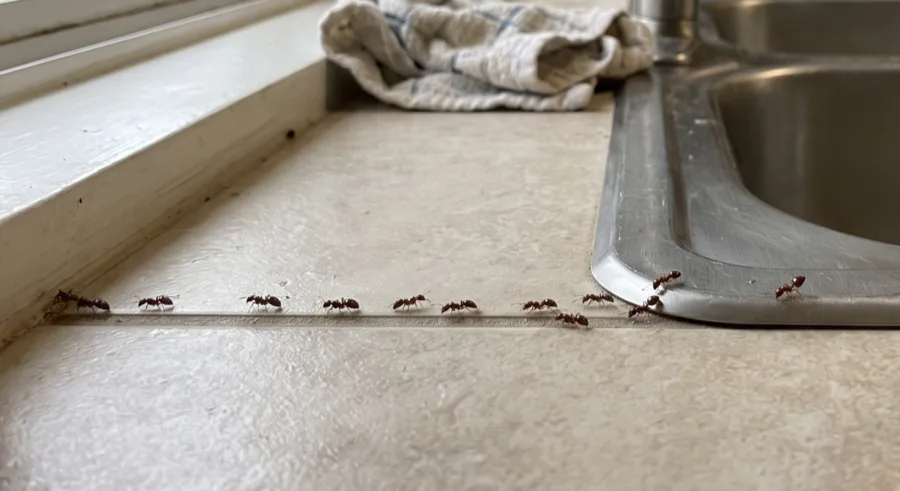
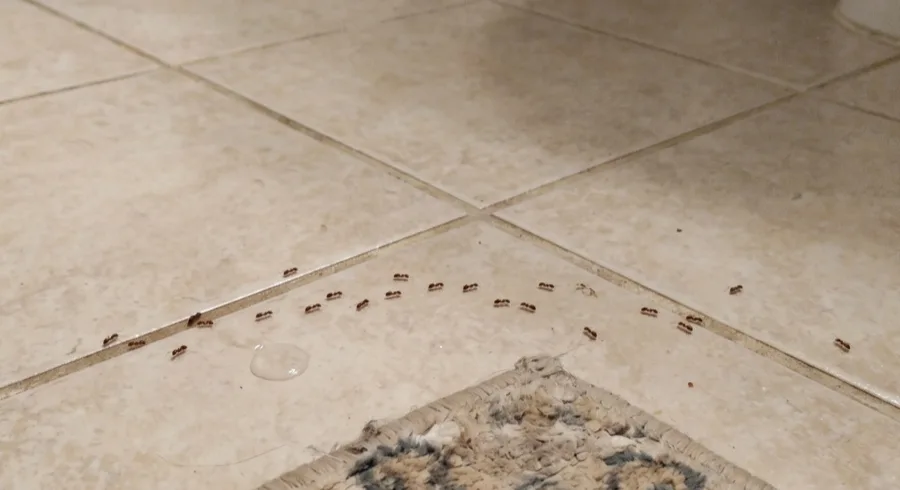
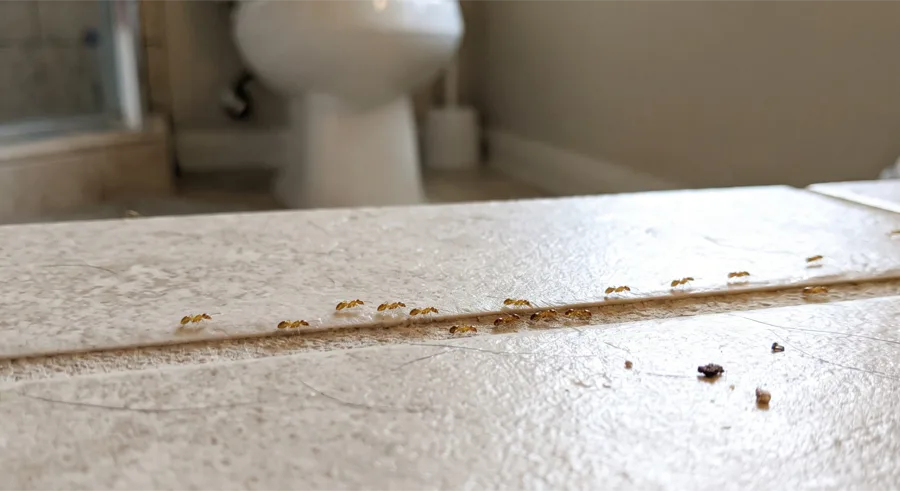
Photographs by our own Austin service team. All six turn up regularly across the metro. 843-480-8699 and we will identify it for you.
The ants we actually find in Austin homes.
Guess the species wrong and the bait sits there untouched while the trail walks around it. In Austin the geology does half the identification for us. Fire ants dominate the clay yards east of MoPac, odorous house ants come up from damp soil under central pier-and-beam homes, and carpenter ants like the shaded trim under the live oaks and pecans. Your technician confirms the species on site before anything gets applied, because the map is a hint, not an answer.

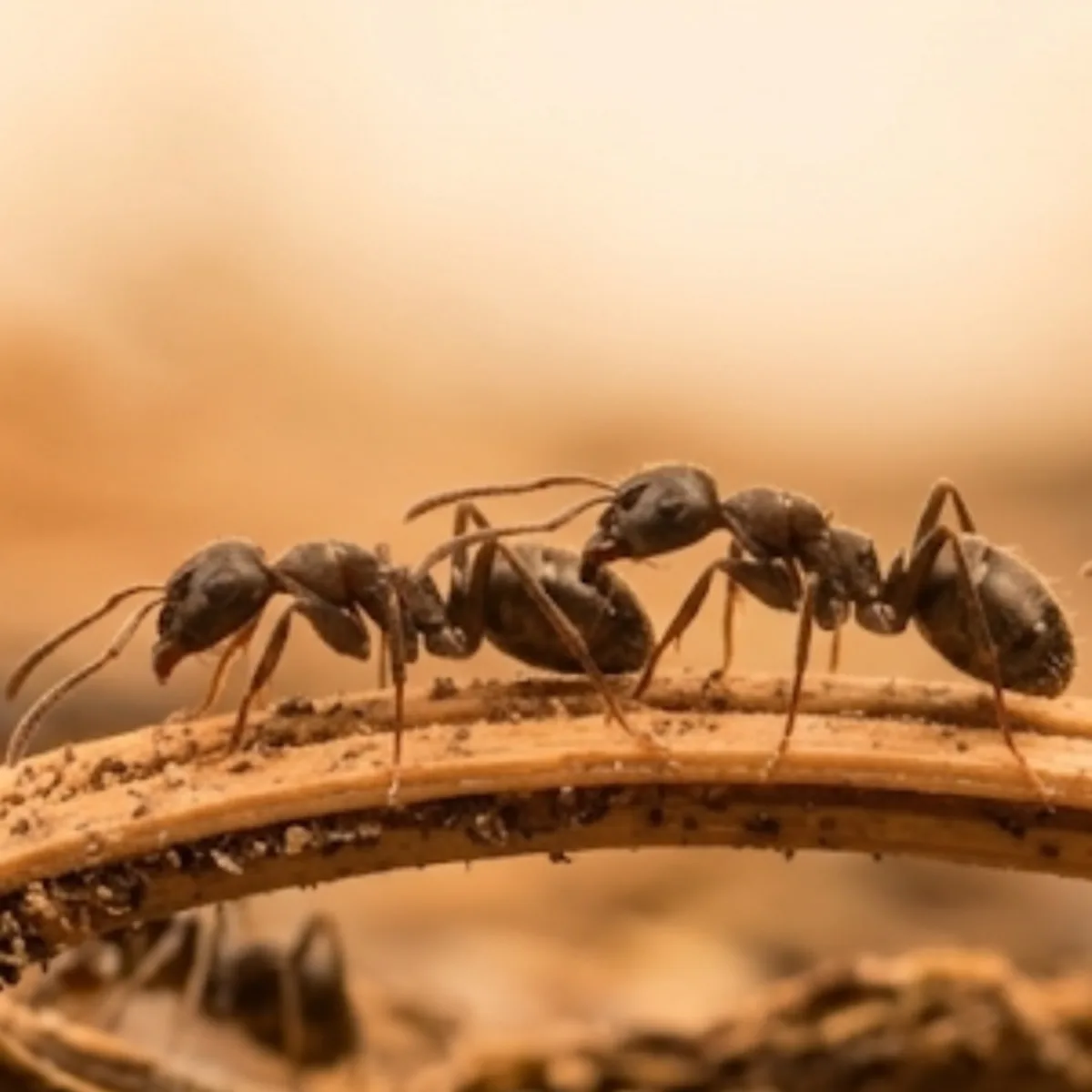
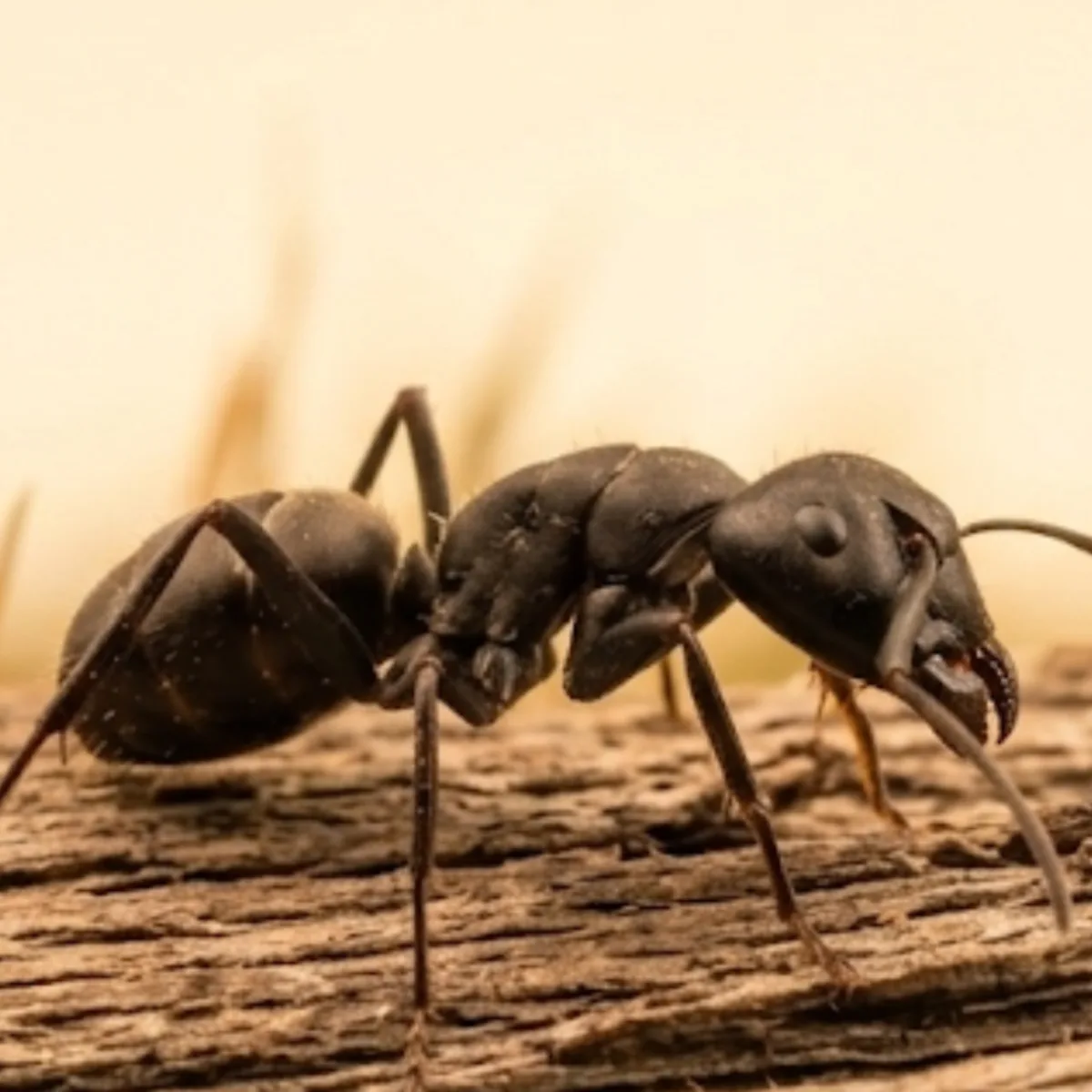
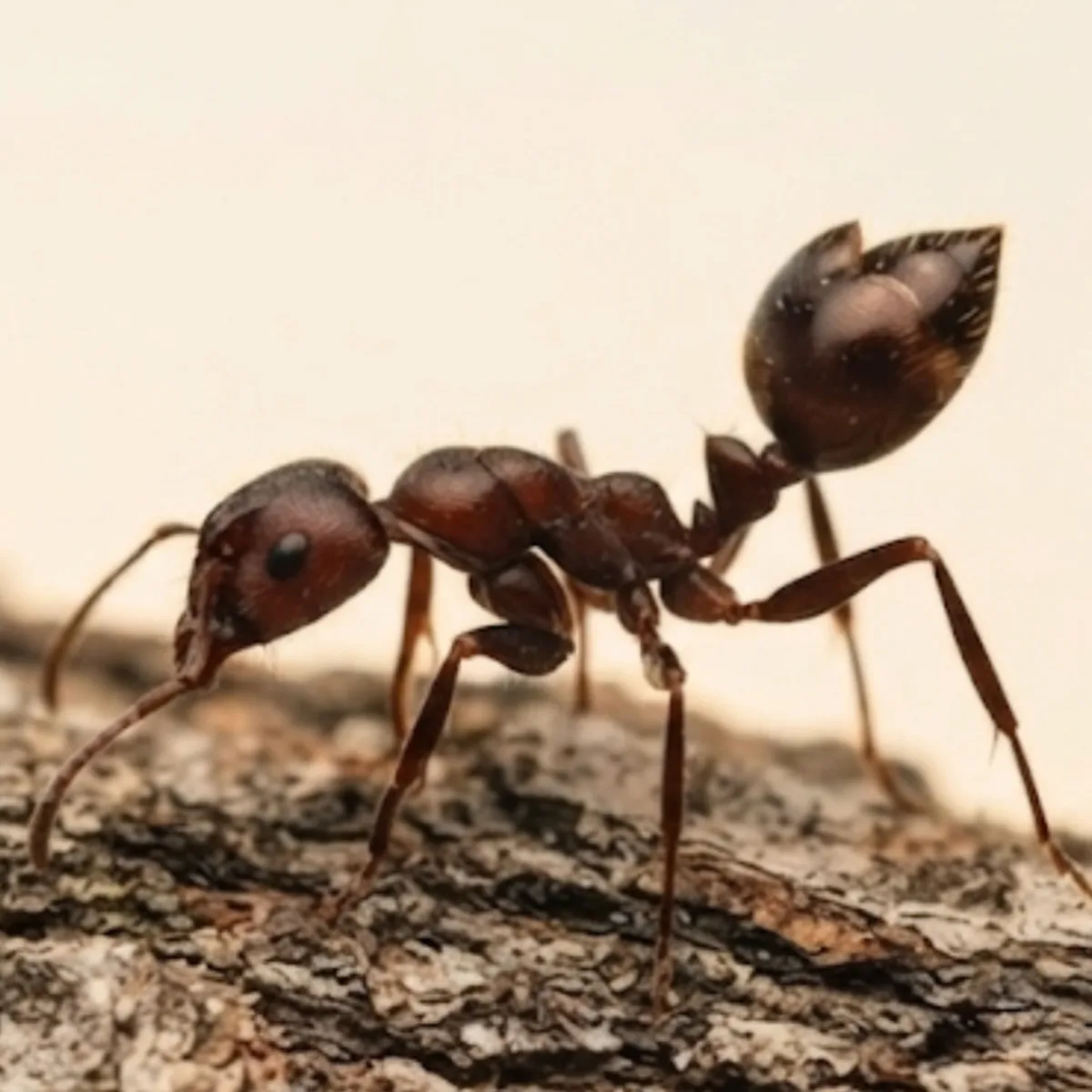
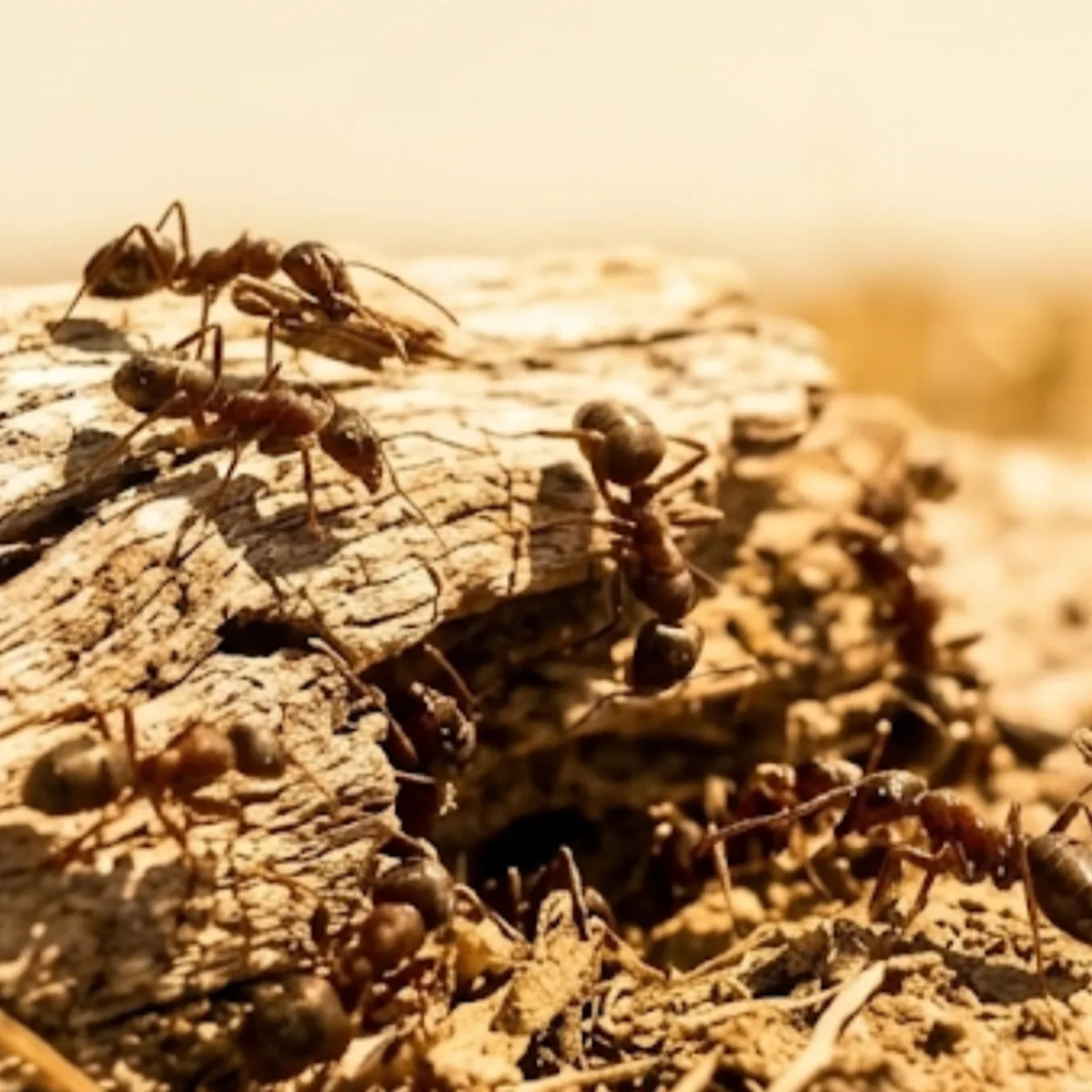
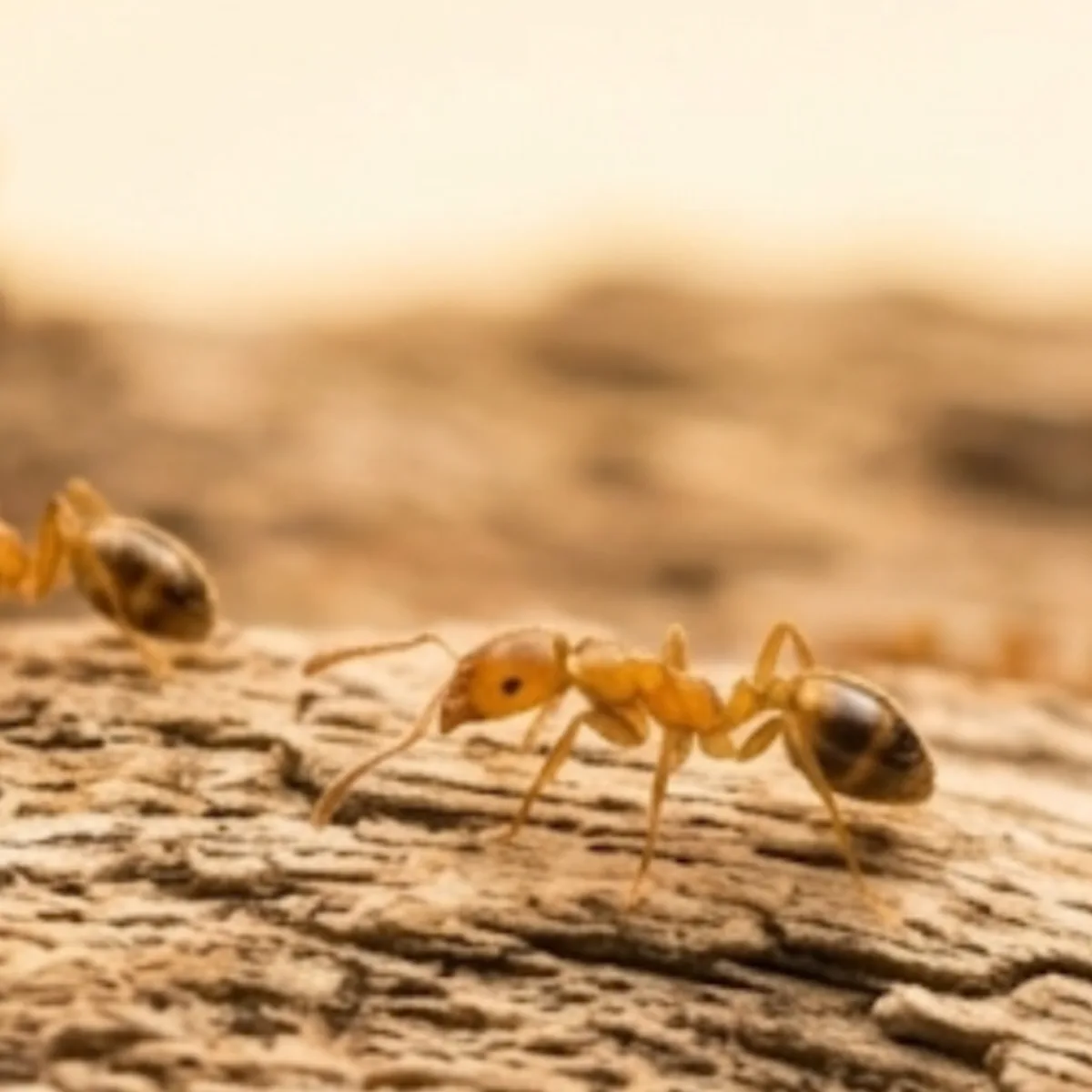
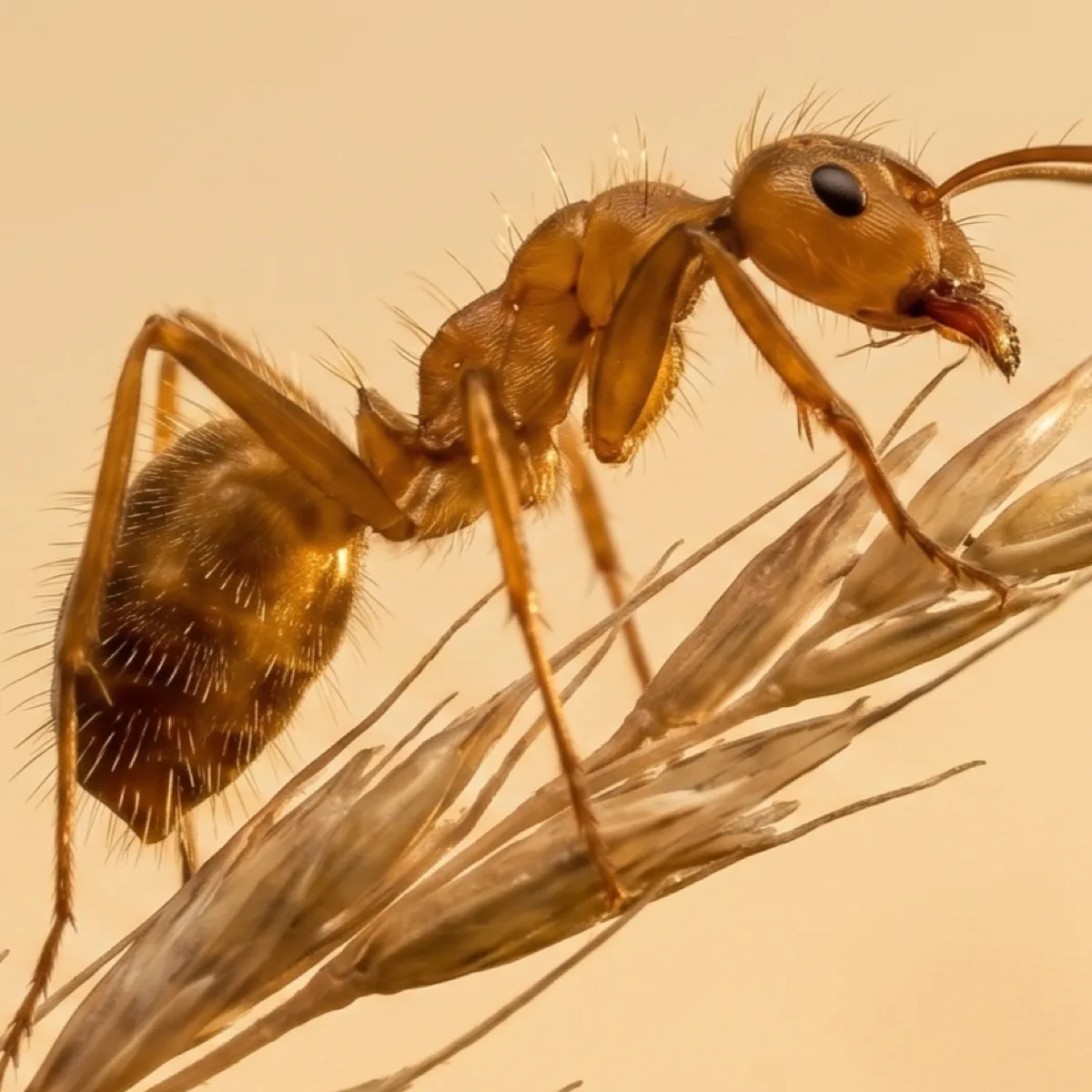
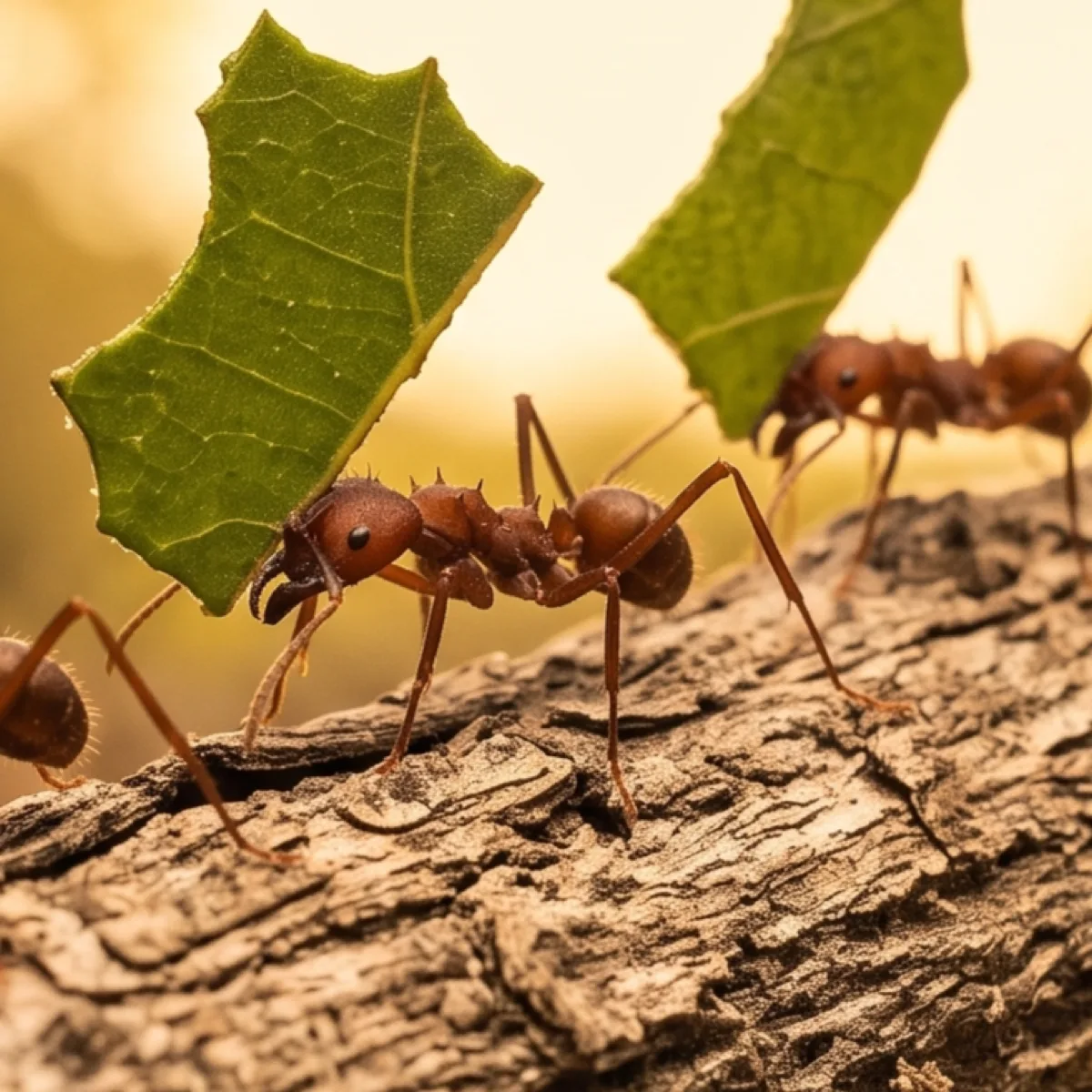
A note on bites and stings. Reactions vary from person to person, and any bite or sting can cause a serious reaction in someone sensitive to it. Nothing here is medical advice. If you are bitten or stung and feel unwell, or the reaction spreads or does not settle, contact a doctor or Poison Control. If breathing or swallowing is affected, treat it as an emergency and call 911.
How to tell it is a colony, not a one-off.
A scout on the counter is not a colony. He is a guy with a clipboard. The list below is what it looks like once he has reported back and the whole operation moved in. Anywhere in Austin, call and describe what you see. Most days we can tell you over the phone whether it can wait for the next route or needs someone out today.
- Fresh mounds in the yard within a day of rain
- A steady two-way trail along baseboards or slab edges
- Ants concentrated at dishwashers, sinks and pet bowls
- Sawdust-like shavings under window trim or fascia
- Winged swarmers indoors in spring and early summer
- Ants inside the electrical panel or AC disconnect
- Trails coming up through gaps in a pier-and-beam floor
- Mounds surfacing in clay yards east of I-35 after storms
Ant control across Austin.
Where the ants come from depends on the block. Fire ant calls cluster in the clay yards around Mueller, Windsor Park and Wells Branch after a wet week. Sugar ant calls come from the older pier-and-beam streets of Hyde Park and Travis Heights, where damp soil sits right under the floor. Whether you need an ant exterminator in Austin for a whole yard or one stubborn kitchen trail, it is the same truck and the same plan.
Not listed? We almost certainly cover it, see pest control in Austin or the full service area.
Ant control in Austin, common questions.
How much does ant control cost in Austin, TX?
Ant control is included in our recurring general pest plan starting at $66 per month for a single-family home in Austin. That covers ants along with spiders, roaches, scorpions, wasps and rodents, so the whole ensemble cast on one ticket. Bigger house, bigger lot, the number moves. We confirm your exact price with a free on-site quote, and there is no inspection fee.
How long does it take to get rid of fire ants?
You will usually see mound activity drop within a few days of the first treatment, and most Austin yards are substantially clear within two to three weeks. Fire ants are a dirt problem more than a house problem, so the granular needs a watering cycle or two to wake up and get to work on the colonies sitting below the surface.
Why do the ants keep coming back after I spray them?
Because you got the delivery drivers, not the warehouse. About 90 percent of a colony never leaves the nest, including the queen, who is out-laying your spray bottle without breaking a sweat (Weizmann Institute study, eLife). Some species panic and split into several colonies when they taste something repellent, which is how one problem becomes five. We bait so the workers carry it home to her, because that is the only thing that actually ends a colony.
Is ant treatment kid and pet friendly?
Our treatments are pet and kid friendly and applied where ants travel rather than where your family does, and baits are placed in cracks, voids and stations out of reach. Keep kids and pets off treated turf until it dries, typically about 30 minutes, and your technician will walk you through everything applied before leaving.
Do you treat inside the house or just outside?
Both, and the outside matters more. That is where they live. Inside is just where they shop. Our standard visit covers the foundation, yard and property line, and if they are already trailing across your kitchen we treat the entry points and drop bait on the same visit at no extra charge. Just tell us which room they picked.
Do I need ant treatment year-round in Austin?
Yes. Fire ants stay active through Central Texas's mild winters, and odorous house ants move indoors specifically when weather turns, toward moisture in dry months and warmth in cold ones. Recurring service maintains the treated barrier so new colonies cannot establish against your foundation in the first place.
Does living west of MoPac change how you treat ants?
Yes. On the limestone side the colony is usually not under the mound you see, it is in a rock seam or under landscape stone several feet away, so broadcast granular over the turf and bait at the seams does more than spot treatment ever will. On the clay side east of the highway the colonies ride up with the water table after rain, so we time the yard treatment around watering and storms. Your technician checks which ground you are on first.
Why do my pier-and-beam floors have ants but my neighbor's slab does not?
An older Austin home on piers sits over shaded, damp soil, which is where odorous house ants like to nest. The floor above has decades of gaps around plumbing and at the walls, so the trail comes straight up into the kitchen. A slab next door has fewer routes and a drier footprint. We treat the foundation perimeter and the spots where the trail enters, then bait the routes inside, and the trail dries up at the source.






Ant control in nearby cities
We treat ants in every city we serve. Same crew, same guarantee, wildly different dirt. Find your city below, read the full ant control overview, or check the complete service area.
Answered 24 hours · Austin, TX
Ants gone. And a plan so they stay gone.
Free quote, same-day service across Austin, and free re-treatments if they come back between visits.